
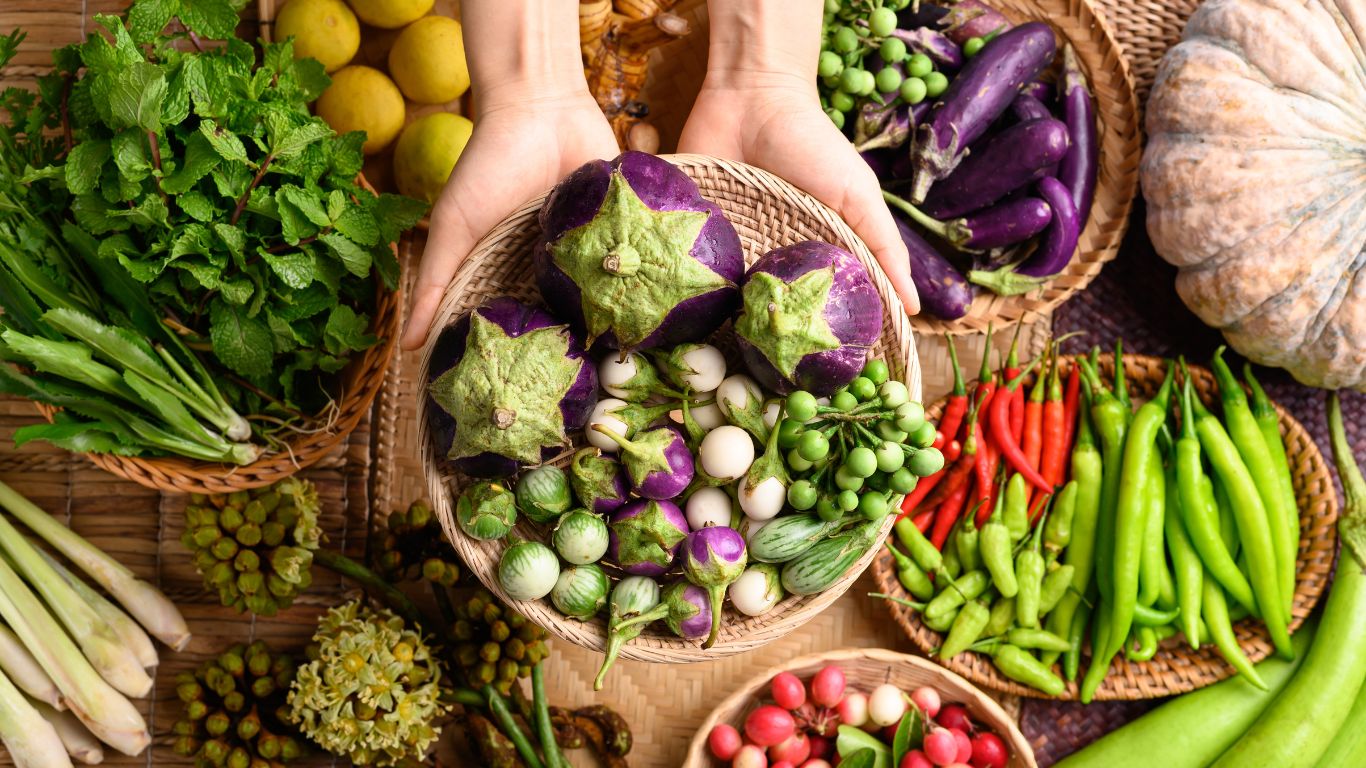
The Importance of Sustainable Produce
In recent years, the concept of sustainable produce has gained significant attention in the food industry. Sustainable produce refers to agricultural products that are grown, harvested, and distributed in ways that minimise environmental impact, promote social responsibility, and ensure economic viability for farmers.
Environmental Benefits
One of the key reasons why sustainable produce is crucial is its positive impact on the environment. Sustainable farming practices focus on reducing carbon footprint, conserving water resources, preserving biodiversity, and minimising the use of harmful chemicals. By choosing sustainable produce, consumers can support eco-friendly agriculture and contribute to a healthier planet.
Social Responsibility
Sustainable produce also plays a vital role in promoting social responsibility within the food supply chain. Farmers who adopt sustainable practices often prioritise fair labour conditions, support local communities, and engage in ethical business practices. By purchasing sustainable produce, consumers can help create a more equitable and socially responsible food system.
Economic Viability for Farmers
Furthermore, sustainable produce helps ensure economic viability for farmers by promoting long-term profitability and resilience in agriculture. By investing in sustainable farming methods and technologies, farmers can improve crop yields, reduce production costs, and enhance their overall competitiveness in the market. Supporting sustainable produce is a way to empower farmers and strengthen the agricultural sector.
Consumer Choice
As consumer awareness about sustainability grows, there is an increasing demand for sustainable produce in the market. Consumers are becoming more conscious of their purchasing decisions and seek out products that align with their values regarding environmental conservation and social responsibility. Choosing sustainable produce allows consumers to make a positive impact through their everyday food choices.
Conclusion
In conclusion, sustainable produce plays a crucial role in promoting environmental stewardship, social responsibility, economic viability for farmers, and consumer choice. By supporting sustainable agriculture practices and opting for sustainably produced foods, individuals can contribute to a more sustainable future for our planet and ensure a healthier food system for generations to come.
Five Essential Tips for Choosing Sustainable Produce
- Buy locally grown produce to reduce carbon footprint from transportation.
- Choose organic fruits and vegetables to support sustainable farming practices.
- Opt for seasonal produce to reduce energy consumption in greenhouse production.
- Avoid single-use plastic packaging by buying unpackaged or bulk produce.
- Support farmers’ markets and local producers to promote community sustainability.
Buy locally grown produce to reduce carbon footprint from transportation.
One effective tip for supporting sustainable produce is to buy locally grown fruits and vegetables. By choosing locally sourced produce, consumers can significantly reduce the carbon footprint associated with transportation. Buying from local farmers not only supports the regional economy but also promotes environmental sustainability by cutting down on the emissions generated during long-distance transportation. Embracing locally grown produce is a simple yet impactful way to contribute to a more eco-friendly food system and reduce our overall environmental impact.
Choose organic fruits and vegetables to support sustainable farming practices.
Choosing organic fruits and vegetables is a simple yet impactful way to support sustainable farming practices. Organic farming methods prioritise the use of natural fertilisers, crop rotation, and biological pest control, reducing reliance on synthetic chemicals that can harm the environment. By opting for organic produce, consumers not only enjoy fruits and vegetables free from harmful residues but also contribute to the preservation of soil health, biodiversity, and water quality. Supporting organic farming helps promote sustainable agriculture and encourages a more environmentally-friendly approach to food production.
Opt for seasonal produce to reduce energy consumption in greenhouse production.
Choosing seasonal produce is a smart way to support sustainability in agriculture. By opting for fruits and vegetables that are in season, we can significantly reduce the energy consumption associated with greenhouse production. Seasonal produce grown locally requires less artificial heating, lighting, and transportation, resulting in lower carbon emissions and a smaller environmental footprint. Embracing seasonal eating not only promotes fresher and more flavourful produce but also contributes to a more sustainable food system overall.
Avoid single-use plastic packaging by buying unpackaged or bulk produce.
By choosing to purchase unpackaged or bulk produce, consumers can actively contribute to reducing their environmental impact and promoting sustainability in the food industry. Avoiding single-use plastic packaging not only helps minimise plastic waste but also encourages retailers and suppliers to adopt more eco-friendly packaging alternatives. Opting for unpackaged produce supports a more sustainable approach to shopping and underscores the importance of making conscious decisions that benefit the environment.
Support farmers’ markets and local producers to promote community sustainability.
Supporting farmers’ markets and local producers is a key tip for promoting community sustainability through sustainable produce. By purchasing fruits, vegetables, and other goods directly from local farmers, consumers can reduce the carbon footprint associated with transportation and support the local economy. This direct connection between producers and consumers fosters a sense of community, encourages sustainable farming practices, and helps preserve agricultural traditions. Additionally, buying from farmers’ markets often means fresher and more seasonal produce, promoting healthier eating habits while contributing to the overall well-being of both individuals and the community as a whole.