
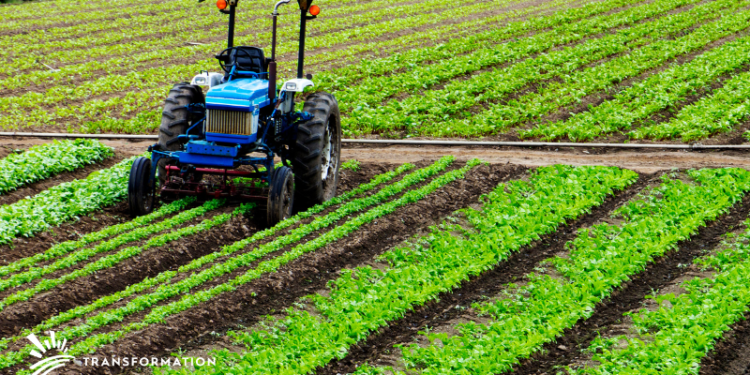
The Importance of Sustainable Production in Agriculture
As the global population continues to grow, the demand for food increases exponentially. In order to meet this demand without compromising the environment and depleting natural resources, sustainable production practices in agriculture have become more crucial than ever.
Sustainable agriculture focuses on meeting present needs without compromising the ability of future generations to meet their own needs. This approach involves implementing practices that are environmentally friendly, socially responsible, and economically viable.
Environmental Benefits
Sustainable production methods aim to minimise the impact of farming activities on the environment. By reducing chemical inputs, conserving water resources, and promoting biodiversity, sustainable agriculture helps protect ecosystems and wildlife habitats. Practices such as crop rotation, cover cropping, and integrated pest management contribute to healthier soils and improved water quality.
Social Responsibility
Sustainable agriculture also takes into account social aspects such as fair labour practices and community engagement. Farmers who adopt sustainable practices often prioritise the well-being of their workers and local communities. By supporting small-scale farmers and promoting food security, sustainable agriculture contributes to a more equitable society.
Economic Viability
While some may argue that sustainable production methods are more costly upfront, in the long run they can lead to increased profitability. By improving soil health and reducing reliance on expensive inputs like synthetic fertilisers and pesticides, sustainable agriculture can enhance crop yields and resilience to climate change. Additionally, consumers are increasingly willing to pay a premium for sustainably produced food products, creating new market opportunities for farmers.
Conclusion
In conclusion, sustainable production in agriculture is not just a trend but a necessity for ensuring food security, environmental conservation, and social equity. By adopting sustainable practices on a global scale, we can build a more resilient agricultural system that meets the needs of both present and future generations.
Seven Benefits of Sustainable Agricultural Production: From Soil Health to Community Support
- Preserves soil health and fertility
- Reduces reliance on chemical inputs
- Conserves water resources
- Promotes biodiversity and ecosystem health
- Enhances resilience to climate change
- Supports local communities and economies
- Meets consumer demand for sustainable products
Challenges Facing Sustainable Agriculture: Costs, Labour, Climate, Resources, Market Demand, and Knowledge Access
- Initial costs of transitioning to sustainable practices can be high for farmers.
- Sustainable agriculture may require more labour-intensive methods compared to conventional farming.
- Weather variability and climate change can pose challenges to sustainable production.
- Limited availability of certified organic inputs and resources may restrict adoption of sustainable practices.
- Market demand for sustainably produced goods may fluctuate, affecting profitability for farmers.
- Knowledge and training on sustainable agriculture practices may not be easily accessible to all farmers.
Preserves soil health and fertility
Preserving soil health and fertility is a key benefit of sustainable production in agriculture. By implementing practices such as crop rotation, cover cropping, and organic fertilisation, sustainable farming methods help maintain the natural balance of nutrients in the soil. This not only ensures the long-term productivity of the land but also reduces the need for chemical inputs that can degrade soil quality over time. Healthy soils support diverse microbial communities and improve water retention, ultimately leading to higher crop yields and sustainable agricultural practices for future generations.
Reduces reliance on chemical inputs
One significant advantage of sustainable production in agriculture is its ability to reduce reliance on chemical inputs. By implementing practices such as crop rotation, cover cropping, and integrated pest management, farmers can minimise the use of synthetic fertilisers and pesticides. This not only helps to protect the environment and preserve soil health but also contributes to safer food production. By reducing chemical inputs, sustainable agriculture promotes a more balanced ecosystem and reduces the risk of harmful residues in food products, ultimately benefitting both the environment and consumer health.
Conserves water resources
Sustainable production in agriculture offers the significant benefit of conserving water resources. By implementing practices such as drip irrigation, rainwater harvesting, and efficient water management techniques, farmers can reduce water wastage and enhance water conservation on their farms. This not only helps in preserving precious freshwater sources but also contributes to improved crop yields and resilience to drought conditions. Sustainable agriculture’s focus on water conservation ensures the long-term sustainability of farming practices while minimising the environmental impact on aquatic ecosystems and surrounding communities.
Promotes biodiversity and ecosystem health
Sustainable production in agriculture promotes biodiversity and ecosystem health by encouraging practices that support a diverse range of plant and animal species. By avoiding monoculture and implementing techniques such as crop rotation, agroforestry, and habitat preservation, sustainable farming creates a more balanced and resilient ecosystem. This approach not only benefits wildlife populations but also enhances soil fertility, water quality, and overall ecosystem stability. By prioritising biodiversity and ecosystem health, sustainable agriculture contributes to long-term environmental sustainability and the preservation of natural resources for future generations.
Enhances resilience to climate change
Sustainable production in agriculture enhances resilience to climate change by promoting practices that help farms adapt to and mitigate the effects of changing environmental conditions. By implementing techniques such as crop diversification, water conservation, and soil health improvement, sustainable agriculture equips farmers with the tools to withstand extreme weather events, shifting growing seasons, and other climate-related challenges. This proactive approach not only safeguards crop yields and farm productivity but also contributes to the overall sustainability of the agricultural sector in the face of a rapidly changing climate.
Supports local communities and economies
Sustainable production in agriculture plays a vital role in supporting local communities and economies. By prioritising local sourcing, fair trade practices, and community engagement, sustainable agriculture creates opportunities for small-scale farmers to thrive. This approach fosters economic growth within rural areas, empowers local producers, and strengthens community resilience. Additionally, by promoting direct relationships between farmers and consumers, sustainable agriculture helps build stronger connections within communities and encourages a sense of shared responsibility towards the environment and each other.
Meets consumer demand for sustainable products
Meeting consumer demand for sustainable products is a key advantage of adopting sustainable production practices in agriculture. With an increasing focus on ethical consumption and environmental responsibility, consumers are actively seeking out products that are produced in a sustainable manner. By aligning with these consumer preferences, farmers who embrace sustainability not only meet market demand but also gain a competitive edge. This proactively addresses the growing interest in supporting environmentally-friendly practices and fosters a stronger connection between producers and consumers who share a commitment to sustainability.
Initial costs of transitioning to sustainable practices can be high for farmers.
The transition to sustainable production practices in agriculture can pose a significant challenge for farmers due to the high initial costs involved. Implementing sustainable methods often requires investments in new equipment, technologies, and training, which can strain the financial resources of farmers, especially those operating on a small scale. The upfront expenses associated with transitioning to sustainable practices may deter some farmers from making the switch, despite recognising the long-term benefits. Overcoming this financial barrier is crucial to ensuring widespread adoption of sustainable agriculture and realising its potential for environmental conservation and improved livelihoods.
Sustainable agriculture may require more labour-intensive methods compared to conventional farming.
One drawback of sustainable production in agriculture is that it may necessitate more labour-intensive methods when compared to conventional farming practices. Implementing sustainable techniques such as manual weeding, crop rotation, and organic pest control often require additional time and effort from farmers. This can lead to higher labour costs and potentially pose challenges for farmers who are accustomed to more mechanised and streamlined approaches. Despite the increased labour demands, many argue that the long-term benefits of sustainable agriculture outweigh these initial challenges, as they contribute to improved soil health, biodiversity conservation, and overall environmental sustainability.
Weather variability and climate change can pose challenges to sustainable production.
Weather variability and climate change present significant challenges to sustainable production in agriculture. The unpredictability of weather patterns, including extreme events such as droughts, floods, and heatwaves, can disrupt crop growth and yield stability. Climate change exacerbates these challenges by altering temperature and precipitation patterns, leading to increased pest pressure and disease outbreaks. Farmers practicing sustainable agriculture must adapt their strategies to mitigate the impact of these environmental factors, requiring constant monitoring and flexibility in their approach to ensure long-term sustainability.
Limited availability of certified organic inputs and resources may restrict adoption of sustainable practices.
The limited availability of certified organic inputs and resources presents a significant challenge to the widespread adoption of sustainable production practices in agriculture. Farmers striving to transition to sustainable methods may face obstacles in sourcing organic fertilisers, pesticides, and seeds, which are essential for maintaining organic certification. This scarcity can hinder the scalability of sustainable farming initiatives and limit the ability of farmers to fully embrace environmentally friendly practices. Finding solutions to improve the accessibility and affordability of certified organic inputs is crucial to overcoming this con and promoting the broader adoption of sustainable agriculture.
Market demand for sustainably produced goods may fluctuate, affecting profitability for farmers.
One significant drawback of sustainable production in agriculture is the fluctuating market demand for sustainably produced goods, which can impact the profitability of farmers. As consumer preferences and trends shift, farmers who have invested in sustainable practices may face challenges in predicting and meeting market demand. This uncertainty can lead to fluctuations in prices and sales, potentially affecting the economic viability of sustainable farming operations. Farmers may need to navigate these market dynamics carefully and explore strategies to mitigate the risks associated with varying consumer demand for sustainably produced goods.
Knowledge and training on sustainable agriculture practices may not be easily accessible to all farmers.
Access to knowledge and training on sustainable agriculture practices poses a significant challenge for many farmers. In some regions, resources and educational opportunities related to sustainable farming methods may be limited or not easily accessible. This lack of access can hinder farmers from adopting more environmentally friendly and socially responsible practices, ultimately impeding the widespread implementation of sustainable production in agriculture. Bridging this knowledge gap and providing support to farmers in acquiring the necessary skills and information is essential to overcoming this con and promoting the adoption of sustainable agriculture practices on a broader scale.