
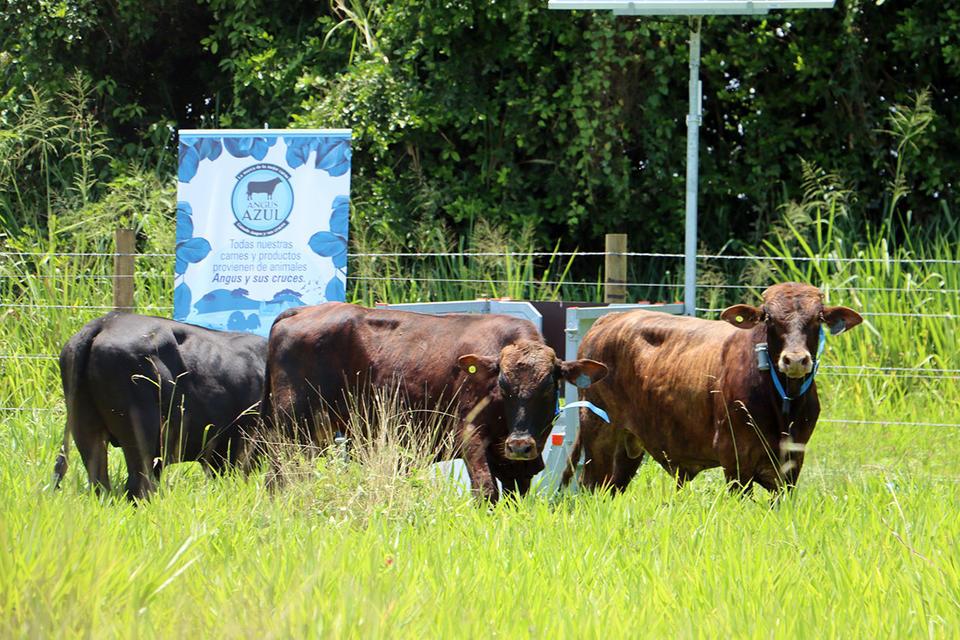
The Importance of Sustainable Livestock Farming
Sustainable livestock farming plays a crucial role in ensuring the long-term health and viability of our planet. By adopting environmentally friendly practices and ethical standards, farmers can mitigate the negative impact of livestock production on the environment while also promoting animal welfare and producing high-quality food.
Environmental Benefits
One of the key advantages of sustainable livestock farming is its positive impact on the environment. By implementing practices such as rotational grazing, organic feed production, and efficient waste management, farmers can reduce greenhouse gas emissions, prevent soil erosion, and preserve biodiversity. These efforts help to protect natural resources and create a healthier ecosystem for both animals and humans.
Animal Welfare
Sustainable livestock farming places a strong emphasis on animal welfare. Farmers who prioritise the well-being of their animals provide them with adequate space to move freely, access to clean water and nutritious feed, and proper healthcare. By treating animals ethically and with respect, farmers can ensure that their livestock lead healthy and fulfilling lives.
Food Quality
Consumers are increasingly demanding high-quality, ethically produced food products. Sustainable livestock farming meets this demand by offering meat, dairy, and other animal products that are free from harmful chemicals, antibiotics, and hormones. By choosing sustainably raised products, consumers can support responsible farming practices while enjoying nutritious and delicious food.
Economic Viability
In addition to its environmental and social benefits, sustainable livestock farming is also economically viable. By optimising resource use, minimising waste production, and adopting efficient management practices, farmers can reduce costs and increase profitability in the long run. Sustainable farming methods help to create a more resilient agricultural sector that can adapt to changing market conditions.
Conclusion
Sustainable livestock farming is not just a trend – it is a necessity for ensuring the future sustainability of our food system. By embracing ethical practices, promoting environmental stewardship, and prioritising animal welfare, farmers can contribute to a more sustainable and resilient agricultural industry that benefits both people and the planet.
Six Essential Tips for Sustainable Livestock Farming
- Implement rotational grazing to improve soil health and reduce overgrazing.
- Provide animals with a balanced diet using locally sourced and sustainable feed.
- Use natural remedies and preventive measures to minimise the need for antibiotics.
- Invest in energy-efficient infrastructure such as solar-powered water pumps.
- Manage manure properly through composting or anaerobic digestion to reduce methane emissions.
- Support biodiversity by preserving natural habitats on the farm.
Implement rotational grazing to improve soil health and reduce overgrazing.
Implementing rotational grazing is a valuable tip for sustainable livestock farming practices. By rotating livestock through different pasture areas, farmers can improve soil health and prevent overgrazing. This method allows pastures to rest and recover, promoting the growth of diverse plant species and enhancing soil fertility. Rotational grazing not only benefits the land by reducing erosion and nutrient depletion but also supports healthier livestock by providing them with fresh, nutrient-rich forage. Overall, incorporating rotational grazing into farming practices can contribute to a more sustainable and balanced ecosystem for both animals and the environment.
Provide animals with a balanced diet using locally sourced and sustainable feed.
Providing animals with a balanced diet using locally sourced and sustainable feed is a fundamental tip in sustainable livestock farming. By sourcing feed from local and sustainable sources, farmers can reduce the environmental impact of livestock production, minimise transportation emissions, and support local agriculture. A balanced diet ensures that animals receive the necessary nutrients for their health and well-being, ultimately leading to improved animal welfare and higher-quality products for consumers. This practice not only benefits the animals but also contributes to a more environmentally friendly and ethical approach to livestock farming.
Use natural remedies and preventive measures to minimise the need for antibiotics.
To promote sustainable livestock farming, it is advisable to utilise natural remedies and preventive measures to reduce the reliance on antibiotics. By implementing practices such as proper nutrition, good hygiene, and regular health monitoring, farmers can help prevent diseases and maintain the well-being of their animals without resorting to antibiotics. This approach not only supports animal health but also contributes to reducing the risk of antibiotic resistance in livestock, ultimately benefiting both the environment and public health.
Invest in energy-efficient infrastructure such as solar-powered water pumps.
Investing in energy-efficient infrastructure, such as solar-powered water pumps, is a key tip for sustainable livestock farming. By harnessing renewable energy sources like solar power to operate essential equipment on the farm, farmers can reduce their reliance on fossil fuels and lower their carbon footprint. Solar-powered water pumps not only provide a cost-effective and environmentally friendly way to supply water to livestock but also contribute to long-term energy savings and promote sustainable agricultural practices.
Manage manure properly through composting or anaerobic digestion to reduce methane emissions.
Proper management of manure is a crucial aspect of sustainable livestock farming. By implementing composting or anaerobic digestion techniques, farmers can effectively reduce methane emissions associated with manure decomposition. Composting allows for organic materials to break down aerobically, producing nutrient-rich compost that can be used to enhance soil fertility. On the other hand, anaerobic digestion involves capturing methane gas released during decomposition and converting it into renewable energy. These practices not only help mitigate greenhouse gas emissions but also contribute to efficient waste management and sustainable agricultural practices.
Support biodiversity by preserving natural habitats on the farm.
Supporting biodiversity by preserving natural habitats on the farm is a crucial tip for sustainable livestock farming. By maintaining diverse ecosystems within the farm, farmers can provide shelter and food sources for various plant and animal species. This not only enhances the overall health of the environment but also helps to control pests naturally and improve soil fertility. Preserving natural habitats on the farm promotes a balanced ecosystem that benefits both livestock and wildlife, contributing to long-term sustainability and resilience in agriculture.