
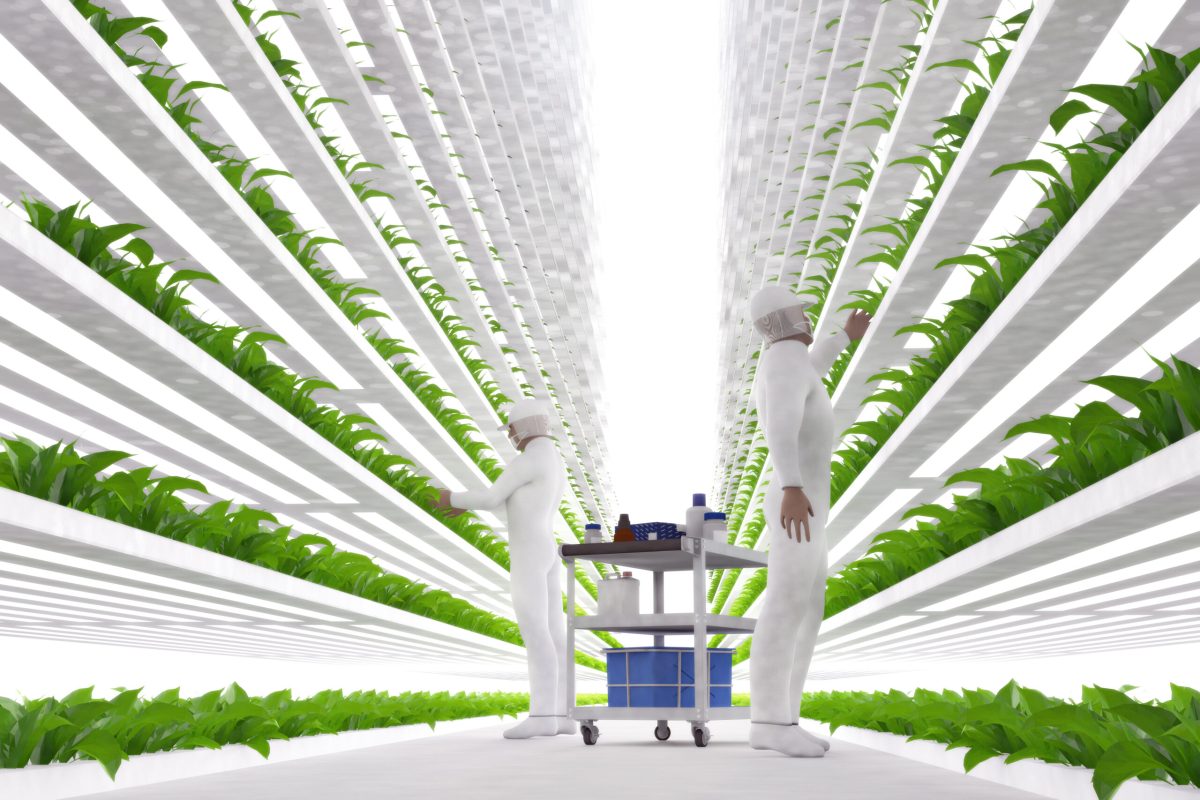
Hydroponics: The Future of Agriculture?
As the world’s population grows and pressure on land, water and food supplies increases, agriculture faces a significant challenge: how can we produce enough nutritious food while using resources more responsibly? Hydroponics, a method of growing plants without soil, is attracting attention as one possible part of the answer.
What is hydroponics?
In hydroponic systems, plant roots receive water and carefully measured nutrients directly, or through an inert growing medium such as coconut coir or perlite. The plants may be grown in channels, containers or vertical towers, with their roots suspended in or regularly supplied with a nutrient-rich solution.
There are several types of hydroponic system. Some circulate water continuously, while others deliver it at intervals. Many systems also recirculate water, allowing it to be used again rather than draining away after each watering.
Making more of limited space
One of hydroponics’ most promising features is that it can make productive use of spaces where conventional farming is difficult. Crops can be grown in greenhouses, warehouses and other urban buildings, as well as on land with poor or contaminated soil. Vertical growing systems can use height as well as floor space, making them useful where land is scarce.
Growing food closer to consumers may also shorten supply chains for some crops. In principle, this can reduce the distance produce travels and help provide fresher food to local communities. The actual benefits depend on the crop, the growing method, the energy used and how produce is transported.
Using water and nutrients carefully
Because hydroponic systems can deliver water directly to plant roots and capture unused water, they may use less water than some soil-based methods. The precise savings vary according to the system and the comparison being made. Recirculating systems also require careful monitoring: water quality, nutrient levels and acidity must be managed to keep plants healthy.
Precise control can help growers provide consistent conditions and plan production throughout the year. It can also make it easier to identify problems early. However, technology does not remove the need for farming knowledge. Plants still require suitable light, temperature, airflow and protection from pests and disease.
What can be grown?
Leafy greens and herbs are among the crops commonly suited to hydroponics, as they grow quickly and can thrive in controlled environments. Tomatoes, cucumbers, peppers and strawberries can also be grown using suitable systems, though their needs differ and their production may require more space, energy or investment.
Hydroponics is not equally practical for every crop. Root vegetables, grains and other field crops may be more challenging or costly to produce this way. For the foreseeable future, hydroponics is more likely to complement traditional farming than replace it.
The challenges to overcome
Setting up a hydroponic farm can involve substantial costs for buildings, equipment, lighting, climate control and monitoring systems. Indoor farms may need considerable electricity, particularly when artificial lighting is used. If that energy comes from fossil fuels, it can reduce the environmental advantages of growing food locally or using less water.
Systems can also be vulnerable to technical failures. A pump, sensor or power supply problem may quickly affect plants, especially where roots depend on a circulating nutrient solution. Growers need reliable equipment, regular checks and plans for dealing with interruptions. Skills and training are essential, too: successful hydroponics combines horticulture with careful management of water, nutrients and technology.
A tool for a more resilient food system
Hydroponics is not a complete solution to food insecurity or the environmental pressures facing agriculture. Access to affordable food depends on much more than how it is grown, while sustainable farming requires attention to soil, biodiversity, energy, labour and local conditions.
Nevertheless, hydroponics could play a valuable role where fresh water or good-quality land is limited, where food needs to be grown close to urban populations, or where controlled environments help provide a reliable supply of certain crops. Its strongest future may lie in a mix of approaches: hydroponic systems alongside soil-based farming, agroforestry and other sustainable methods.
Looking ahead
The future of hydroponics will depend on making systems more affordable, energy-efficient and accessible to growers. Renewable electricity, improved equipment and practical training could help reduce some of the barriers. Research and careful measurement will also be important in showing where hydroponics offers real environmental and economic benefits.
Hydroponics is not a replacement for every farm or a shortcut to sustainable agriculture. It is a growing set of techniques that can help produce certain foods with greater control over space and resources. Used in the right places and supported by responsible energy and water management, it could become an important part of a more diverse and resilient food system.
Hydroponics: Revolutionising Agriculture with Efficient Water Use, Urban Growth, and Year-Round Production
- Uses water efficiently
- Needs less land
- Can grow food in cities
- Allows year-round production
- Avoids soil-related problems
- Offers precise nutrient control
Challenges Facing Hydroponics as the Future of Agriculture: Costs, Energy Use, and Technical Risks
- High start-up and equipment costs can be a barrier.
- Indoor systems may use a lot of energy.
- Technical failures can quickly damage crops.
Uses water efficiently
Hydroponics can use water efficiently by delivering it directly to plant roots, reducing losses from evaporation and run-off. In many systems, unused water is collected, filtered and recirculated, so the same supply can be used repeatedly. This can make hydroponics particularly useful in areas where water is scarce, although actual savings depend on the system, crop and how carefully it is managed.
Needs less land
One of hydroponics’ key advantages is that it can produce crops using less land than many traditional farming methods. Plants can be grown in stacked vertical systems, making productive use of greenhouses, warehouses and other compact spaces, including areas where fertile soil is scarce. This can help bring food production closer to towns and cities, although the amount of land saved depends on the crops grown and the design of the system.
Can grow food in cities
Hydroponics can bring food production into cities, where space for traditional farming is often limited. By growing crops in places such as rooftops, unused buildings and vertical farms, growers can make use of urban spaces close to the people who will eat the produce. This can provide local supplies of fresh herbs and vegetables, reduce reliance on long supply chains and make productive use of buildings that might otherwise remain empty.
Allows year-round production
Hydroponics can support year-round production by allowing growers to control key conditions such as water, nutrients, temperature and lighting. In greenhouses or indoor farms, crops are less exposed to seasonal changes and unpredictable weather, so planting and harvesting can continue throughout the year. This can help provide a more consistent supply of fresh produce, although maintaining suitable conditions may require energy and careful system management.
Avoids soil-related problems
Hydroponics avoids many soil-related problems because plants grow without relying on garden or field soil. This can reduce exposure to soil-borne pests and diseases, weeds, and issues such as poor drainage or low soil fertility. Instead, growers can provide roots with a carefully balanced nutrient solution and manage growing conditions more precisely. Hydroponics does not eliminate every risk, but it can make plant health easier to monitor and help produce consistent crops in places where suitable soil is limited or unavailable.
Offers precise nutrient control
Hydroponics offers precise control over the nutrients plants receive. Growers can adjust the nutrient solution to suit each crop and stage of growth, helping plants access the minerals they need without relying on soil conditions. This can support consistent growth and make it easier to spot and correct nutrient imbalances.
High start-up and equipment costs can be a barrier.
One of the main barriers to adopting hydroponics is the high start-up cost. Setting up a system can require significant investment in growing structures, pumps, tanks, lighting, climate controls and monitoring equipment. Ongoing maintenance and energy bills can add to the expense, making it difficult for small-scale growers and new farmers to get started. Although efficient design and falling equipment prices may improve affordability over time, the initial investment remains an important consideration.
Indoor systems may use a lot of energy.
One drawback of indoor hydroponics is its potentially high energy use. Artificial lighting, climate control, pumps and monitoring equipment may need to run for long periods, particularly in large-scale systems. This can increase operating costs and, when the electricity comes from fossil fuels, add to greenhouse gas emissions. Using energy-efficient equipment and renewable power can help reduce the impact, but energy demand remains an important consideration when assessing whether an indoor hydroponic system is sustainable.
Technical failures can quickly damage crops.
A key drawback of hydroponics is its reliance on pumps, sensors and other equipment to keep water and nutrients flowing to crops. If a pump fails, the power is cut or a sensor gives incorrect readings, plants may quickly become stressed or damaged, particularly in systems where their roots depend on a continuous supply of nutrient solution. Regular maintenance, monitoring and backup plans can reduce the risk, but they add cost and require growers to act quickly when problems arise.