
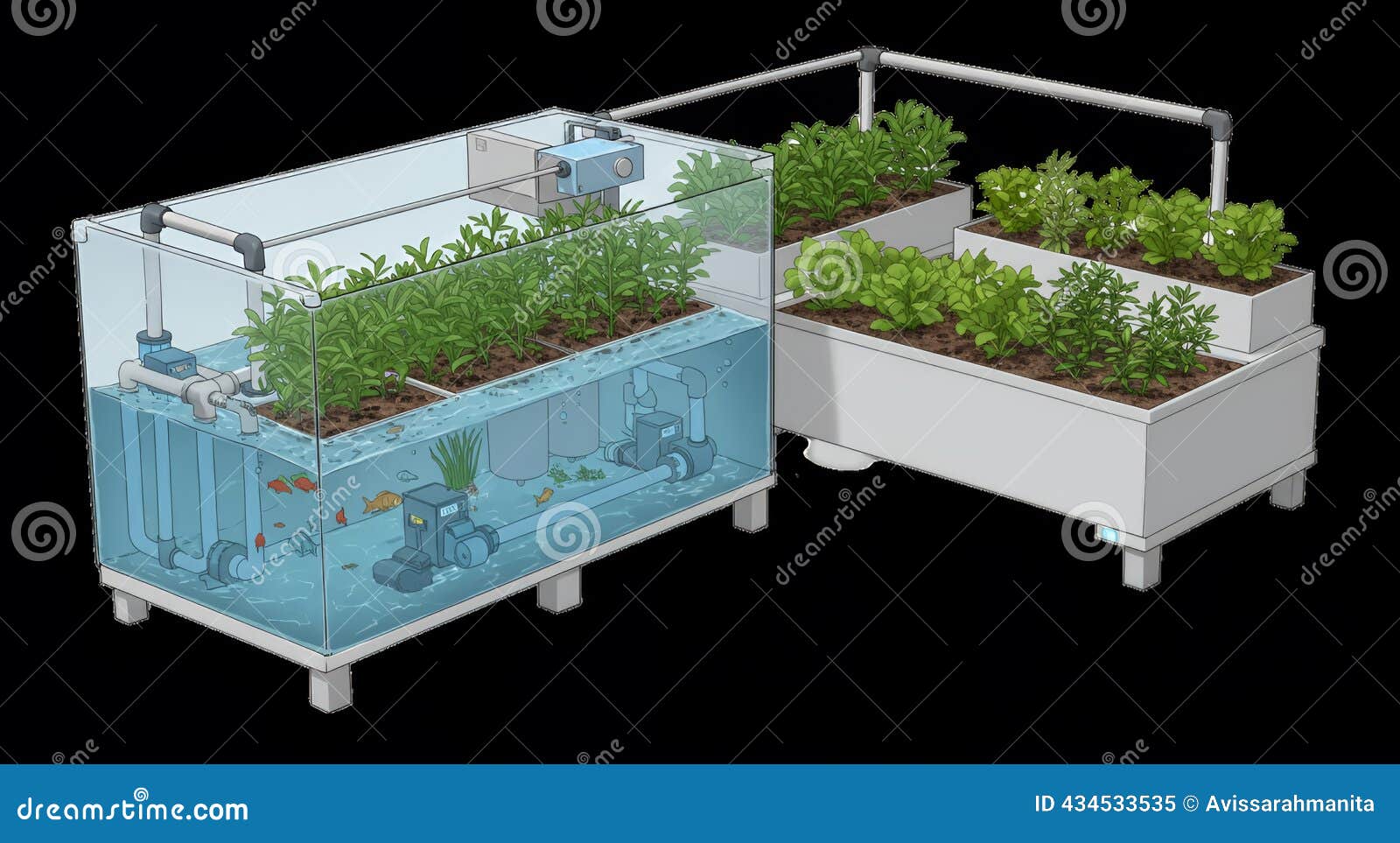
Aquaponics: A Sustainable Approach to Agriculture
Aquaponics combines fish farming, known as aquaculture, with growing plants without soil, or hydroponics. In a carefully managed system, fish, plants and beneficial bacteria work together: fish produce nutrient-rich waste, bacteria convert it into forms plants can use, and plants help clean the water before it returns to the fish tanks.
How aquaponics works
Water circulates between fish tanks and plant-growing beds. Fish are fed, and their waste adds nutrients to the water. Bacteria living in the system break down harmful ammonia into nitrates, which plants absorb as they grow. The plants take up some of these nutrients, helping to improve water quality for the fish.
Because the water is reused, aquaponics can use considerably less water than many soil-based growing methods. However, the system still needs careful monitoring. Water temperature, oxygen levels, acidity and nutrient balance all affect the health of both fish and plants.
Potential environmental benefits
Aquaponics can make productive use of limited space and may be suitable for urban sites, greenhouses or areas with poor-quality soil. Crops can be grown close to consumers, potentially reducing the distance food travels. The recirculating design also means that water is reused rather than continually applied to crops and lost through drainage.
In a well-managed system, plant nutrients come largely from fish waste, reducing the need for conventional fertilisers. Keeping fish and plants in the same production system can also diversify what a farm produces and make use of resources that might otherwise be treated as waste.
Challenges to consider
Aquaponics is not automatically sustainable. Pumps, aeration and temperature control require energy, and the system may rely on electricity around the clock. Its environmental impact depends partly on how that energy is generated. Fish feed is another important consideration: its ingredients, sourcing and transport can affect the system’s overall footprint.
Running an aquaponics farm also requires technical knowledge. If water quality deteriorates or a pump fails, fish and plants can be affected quickly. Operators need to plan for equipment maintenance, disease prevention, reliable power and responsible fish welfare. The choice of fish and crops should suit the local climate and market, as well as the conditions the system can provide.
Making a system more sustainable
Good design can improve efficiency. Insulating growing spaces, selecting energy-efficient pumps and using renewable electricity can help reduce energy demand. Regular checks can identify problems early, while thoughtful feeding practices can limit excess waste. Choosing suitable species and locally adapted crops may also make the system easier to manage.
Before investing, growers should assess the costs of equipment, energy, feed, labour and maintenance, as well as the likely market for their produce. Starting with a small pilot system can provide valuable experience before scaling up.
A useful tool, not a universal solution
Aquaponics offers an inventive way to produce fish and plants while reusing water and nutrients. It can contribute to more local and resource-conscious food production, particularly where land or water is limited. Its success, though, depends on careful management and an honest assessment of energy use, feed sources, costs and environmental conditions.
When designed for its setting and operated responsibly, aquaponics can form part of a more sustainable agricultural system. It works best not as a one-size-fits-all replacement for other farming methods, but as one option in a broader mix of approaches to producing food with fewer wasted resources.
Six Essential Tips for Sustainable Aquaponics Success
- Choose fish and plants suited to your local climate.
- Use energy-efficient pumps and aeration.
- Test water regularly to keep fish and plants healthy.
- Feed fish responsibly and avoid overstocking.
- Reuse rainwater where safe and practical.
- Compost plant waste and keep the system clean.
Choose fish and plants suited to your local climate.
Choose fish and plants that are suited to your local climate to make an aquaponics system easier and more efficient to manage. Species that thrive in the temperatures and conditions you can provide are less likely to need energy-intensive heating or cooling, and may be more resilient to local seasonal changes. Consider the needs of both fish and crops, as well as water quality and local regulations, before deciding what to grow.
Use energy-efficient pumps and aeration.
Using energy-efficient pumps and aeration can make an aquaponics system more sustainable by reducing electricity use without compromising water circulation or oxygen levels. Choose equipment sized appropriately for your system, keep pumps clean and well maintained, and use timers or adjustable controls where suitable. These measures can help lower running costs and reduce the system’s environmental footprint.
Test water regularly to keep fish and plants healthy.
Test the water regularly to keep both fish and plants healthy. Check key factors such as pH, temperature, dissolved oxygen and ammonia, as well as nitrite and nitrate levels. Keeping these within suitable ranges helps fish thrive and ensures plants can absorb the nutrients they need. Regular testing also makes it easier to spot imbalances early, before they affect the whole aquaponics system.
Feed fish responsibly and avoid overstocking.
Feed fish responsibly by choosing a suitable, good-quality feed and giving them only what they can eat, so uneaten food does not pollute the water or upset the system’s nutrient balance. Avoid overstocking: keeping fish numbers appropriate for the tank’s size and filtration capacity helps maintain healthy water quality, reduces stress and disease risk, and supports the wellbeing of both fish and plants.
Reuse rainwater where safe and practical.
Reusing rainwater can help reduce the amount of mains water an aquaponics system needs, particularly for topping up water lost through evaporation and plant growth. Collect it from clean roof surfaces and store it in a covered tank to limit contamination and mosquito breeding. Before adding rainwater to the system, check its quality and consider possible pollutants from roofing materials, bird droppings or nearby activity. Treat or filter it if needed, and make any adjustments gradually so changes in water chemistry do not stress the fish or plants.
Compost plant waste and keep the system clean.
Composting suitable plant waste helps return valuable organic matter to the soil and reduces the amount sent to landfill. Keep composting separate from the aquaponics water circuit, as decaying material can disrupt water quality and harm fish. Remove dead leaves and uneaten feed regularly, clean filters and growing areas, and dispose of diseased plants safely. A tidy, well-maintained system supports healthy fish and plants while making better use of resources.