
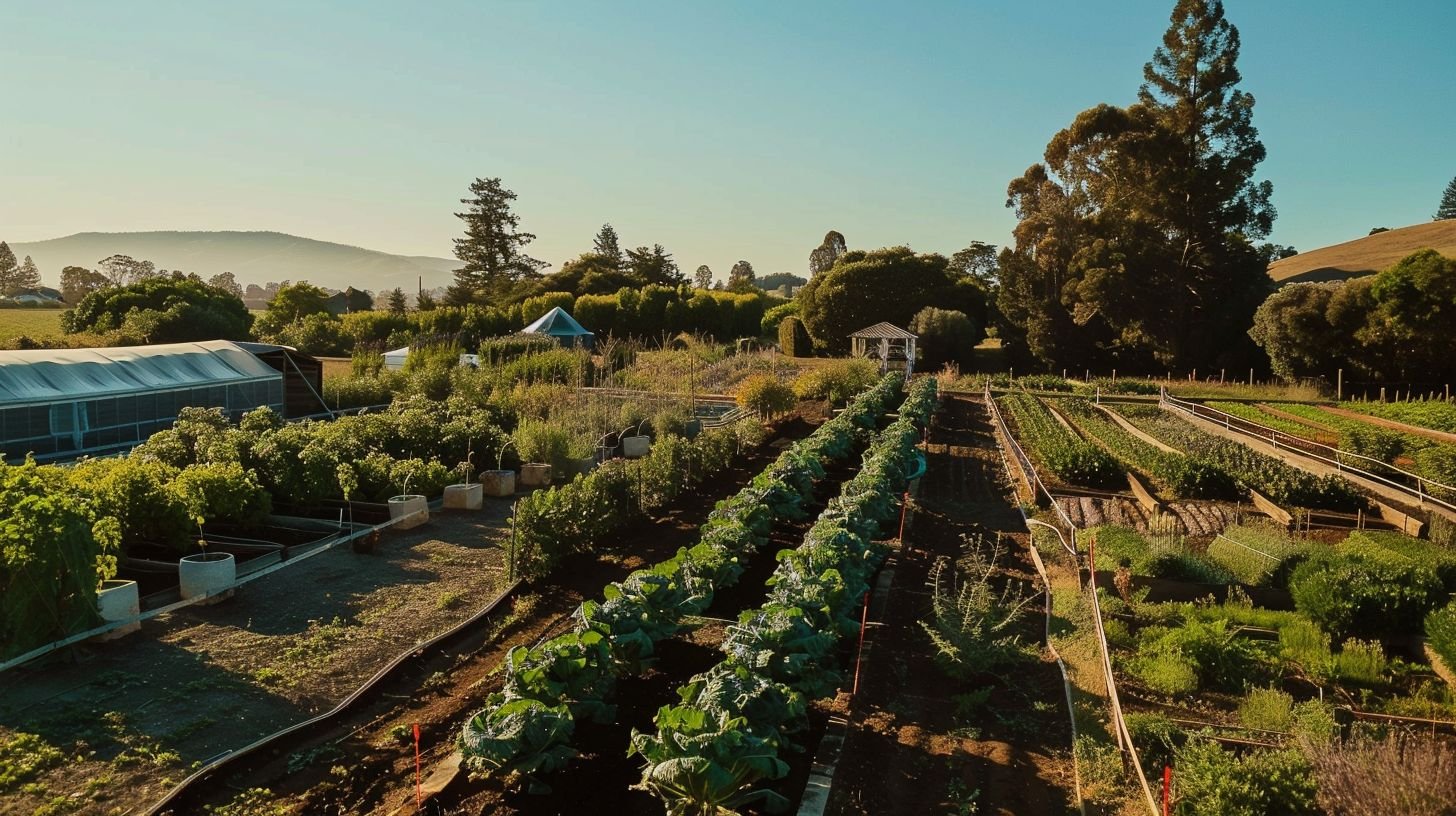
Top 5 Sustainable and Eco-Friendly Farming Practices
Farming practices play a crucial role in preserving the environment and ensuring the long-term sustainability of agriculture. Embracing sustainable and eco-friendly methods not only benefits the planet but also enhances crop yields and promotes healthier ecosystems. Here are the top 5 practices that farmers can adopt to cultivate in harmony with nature:
- Crop Rotation: Rotating crops on a seasonal basis helps improve soil health, reduce pest infestations, and minimise the need for synthetic fertilisers. By diversifying plant species, farmers can maintain soil fertility naturally and prevent nutrient depletion.
- Conservation Tillage: Implementing little or no tillage practices helps preserve soil structure, reduce erosion, and enhance water retention. Conservation tillage methods such as no-till or minimum tillage promote microbial activity in the soil and contribute to carbon sequestration.
- Agroforestry: Integrating trees or shrubs into farming systems through agroforestry enhances biodiversity, provides shade for crops, and improves overall farm resilience. Agroforestry practices help sequester carbon, mitigate climate change impacts, and create habitats for beneficial wildlife.
- Water Management: Efficient water management techniques such as drip irrigation, rainwater harvesting, and water recycling reduce water wastage and ensure optimal hydration for crops. By conserving water resources through smart irrigation practices, farmers can sustainably meet agricultural needs while protecting freshwater ecosystems.
- Pollinator Protection: Supporting pollinators such as bees, butterflies, and birds is essential for crop pollination and ecosystem health. Farmers can create pollinator-friendly habitats by planting native flowers, avoiding pesticide use during flowering periods, and providing nesting sites for pollinators. Protecting pollinators contributes to biodiversity conservation and enhances crop productivity.
By incorporating these sustainable farming practices into their operations, farmers can promote environmental stewardship, increase agricultural resilience to climate change, and contribute to a more sustainable food system for future generations.
Top 5 Eco-Friendly Farming Practices: 8 Essential Tips for Sustainable Agriculture
- Integrate crop rotation to enhance soil fertility and reduce pests.
- Utilise cover crops to prevent soil erosion and improve nutrient levels.
- Implement agroforestry by combining trees with crops or livestock for biodiversity.
- Adopt organic farming methods to minimise chemical use and promote ecosystem health.
- Practise conservation tillage to maintain soil structure and water retention.
- Incorporate integrated pest management (IPM) for natural pest control solutions.
- Use precision agriculture technologies to optimise resource efficiency and reduce waste.
- Promote sustainable water management techniques like drip irrigation.
Integrate crop rotation to enhance soil fertility and reduce pests.
Integrating crop rotation into farming practices is a sustainable approach that offers multiple benefits for both the soil and crop health. By rotating crops seasonally, farmers can improve soil fertility naturally, as different plant species have varying nutrient needs and contributions to the soil. This practice also helps in reducing pest infestations, as pests that target specific crops are less likely to build up in the soil when different crops are rotated. Overall, crop rotation is a key strategy for maintaining soil health, promoting biodiversity, and minimising the reliance on synthetic inputs in agriculture.
Utilise cover crops to prevent soil erosion and improve nutrient levels.
Utilising cover crops is a highly effective sustainable farming practice that can prevent soil erosion and enhance nutrient levels in the soil. By planting cover crops such as legumes, grasses, or clover between main crop seasons, farmers can protect the soil from wind and water erosion, maintain soil structure, and reduce nutrient leaching. These cover crops also act as green manure, enriching the soil with organic matter and nitrogen through decomposition. Overall, integrating cover crops into farming systems not only promotes soil health and fertility but also contributes to sustainable land management practices that benefit both the environment and agricultural productivity.
Implement agroforestry by combining trees with crops or livestock for biodiversity.
Implementing agroforestry, the practice of integrating trees with crops or livestock on farmland, offers a sustainable and eco-friendly approach to farming that enhances biodiversity. By combining trees within agricultural systems, farmers can create diverse habitats for wildlife, improve soil health, and increase farm resilience to climate change. Agroforestry not only provides shade and shelter for crops and livestock but also contributes to carbon sequestration and helps mitigate environmental impacts. Embracing agroforestry promotes a harmonious balance between agriculture and nature, fostering a more sustainable farming ecosystem for the benefit of both the environment and future generations.
Adopt organic farming methods to minimise chemical use and promote ecosystem health.
Adopting organic farming methods is a key strategy in promoting sustainability and eco-friendliness in agriculture. By minimising the use of synthetic chemicals and pesticides, organic farming helps protect soil health, water quality, and biodiversity. Embracing organic practices not only reduces the environmental impact of farming but also promotes ecosystem health by supporting beneficial insects, microbes, and wildlife. Organic farming methods prioritise natural solutions for pest control and nutrient management, contributing to a more balanced and resilient agricultural system that benefits both farmers and the environment.
Practise conservation tillage to maintain soil structure and water retention.
Practising conservation tillage is a key sustainable farming practice that focuses on preserving soil structure and enhancing water retention. By minimising or eliminating traditional tilling methods, farmers can prevent soil erosion, promote soil health, and improve water infiltration capacity. Conservation tillage helps retain moisture in the soil, reducing the need for irrigation and enhancing drought resilience. By adopting this eco-friendly approach, farmers can safeguard the long-term productivity of their land while minimising environmental impact.
Incorporate integrated pest management (IPM) for natural pest control solutions.
Incorporating integrated pest management (IPM) into farming practices is a key strategy for implementing natural pest control solutions. By adopting IPM techniques, farmers can effectively manage pest populations while minimising reliance on chemical pesticides. IPM involves a holistic approach that integrates various pest control methods, such as biological controls, crop rotation, and habitat manipulation, to maintain a balanced ecosystem and reduce the impact of pests on crops. Embracing IPM not only promotes sustainable farming practices but also contributes to the preservation of biodiversity and environmental health within agricultural systems.
Use precision agriculture technologies to optimise resource efficiency and reduce waste.
Utilising precision agriculture technologies is a key strategy in promoting sustainable and eco-friendly farming practices. By harnessing the power of data-driven insights and advanced technologies, farmers can optimise resource efficiency, minimise input wastage, and enhance overall productivity. Precision agriculture enables farmers to make informed decisions regarding irrigation, fertilisation, pest management, and crop monitoring, resulting in targeted interventions that reduce environmental impact and improve crop yields. Embracing precision agriculture not only benefits the environment by reducing chemical usage and water consumption but also contributes to the long-term sustainability of agricultural operations.
Promote sustainable water management techniques like drip irrigation.
Promoting sustainable water management techniques such as drip irrigation is essential for enhancing agricultural sustainability and conserving water resources. Drip irrigation delivers water directly to the root zone of plants, minimising evaporation and runoff while ensuring efficient hydration. By adopting drip irrigation systems, farmers can optimise water usage, reduce water wastage, and improve crop yields. This eco-friendly practice not only supports plant growth but also contributes to water conservation efforts, making it a valuable strategy for sustainable farming practices.