
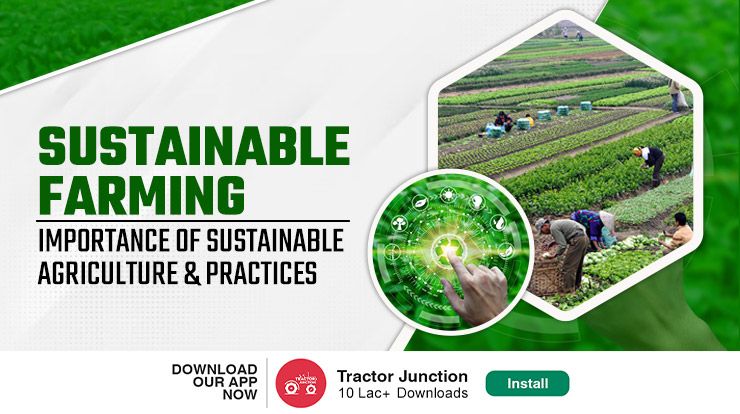
The Importance of Sustainable Food Production Practices
Sustainable food production practices are crucial in ensuring the long-term health of our planet and its inhabitants. With the global population on the rise and natural resources becoming increasingly scarce, it is more important than ever to adopt methods that can meet current needs without compromising the ability of future generations to meet their own.
Benefits of Sustainable Food Production
One of the key benefits of sustainable food production practices is the preservation of natural resources. By using techniques that minimise waste and reduce environmental impact, we can help protect ecosystems, conserve water, and maintain soil fertility for future generations.
Furthermore, sustainable agriculture promotes biodiversity by creating habitats for a variety of plants and animals. This not only helps to preserve endangered species but also contributes to the overall health and resilience of ecosystems.
Methods of Sustainable Food Production
There are several methods that farmers can employ to promote sustainability in food production. These include:
- Organic Farming: Avoiding synthetic pesticides and fertilisers, organic farming relies on natural processes to maintain soil fertility and control pests.
- Agroforestry: Integrating trees and shrubs into agricultural landscapes can improve soil quality, provide shade for crops, and enhance biodiversity.
- Water Conservation: Implementing irrigation systems that minimise water wastage and adopting drought-resistant crop varieties can help conserve this precious resource.
- Crop Rotation: Rotating crops seasonally can prevent soil depletion, reduce pest infestations, and improve overall yields.
The Future of Food Production
As we look towards the future, it is clear that sustainable food production practices will play a vital role in ensuring food security and environmental sustainability. By supporting farmers who adopt these methods and educating consumers about their importance, we can create a more resilient and equitable food system for all.
Eight Benefits of Sustainable Food Production Practices: Ensuring a Healthier Planet and Future
- Preserves natural resources for future generations
- Reduces greenhouse gas emissions and mitigates climate change
- Promotes biodiversity and protects endangered species
- Improves soil health and fertility over time
- Minimises chemical pollution in soil, water, and air
- Supports local economies and enhances community resilience
- Provides healthier food options for consumers
- Helps create a more sustainable and resilient food system
Challenges of Sustainable Food Production: Navigating Costs, Transition, Scale, Demand, and Weather
Preserves natural resources for future generations
Sustainable food production practices play a crucial role in preserving natural resources for the benefit of future generations. By implementing methods that minimise waste, reduce environmental impact, and maintain soil fertility, we can ensure that essential resources like water, soil, and biodiversity remain available for our children and grandchildren. This proactive approach to conservation not only safeguards the environment but also contributes to a more sustainable and resilient food system that can support generations to come.
Reduces greenhouse gas emissions and mitigates climate change
Sustainable food production practices offer a significant benefit in reducing greenhouse gas emissions and mitigating climate change. By implementing eco-friendly farming methods such as organic agriculture, agroforestry, and reduced tillage, farmers can help sequester carbon in the soil and reduce the release of harmful gases into the atmosphere. This proactive approach not only contributes to combating climate change but also promotes a healthier environment for current and future generations.
Promotes biodiversity and protects endangered species
Sustainable food production practices play a crucial role in promoting biodiversity and protecting endangered species. By adopting methods that support diverse ecosystems and minimise environmental harm, farmers can create habitats that allow a variety of plants and animals to thrive. This not only helps preserve endangered species but also contributes to the overall health and resilience of ecosystems. Through sustainable agriculture, we can safeguard the delicate balance of nature and ensure the continued existence of diverse plant and animal species for future generations.
Improves soil health and fertility over time
Improving soil health and fertility over time is a significant advantage of sustainable food production practices. By avoiding the use of harmful chemicals and implementing techniques such as crop rotation, cover cropping, and organic fertilisers, sustainable farming methods enrich the soil with essential nutrients, promote beneficial microbial activity, and enhance its overall structure. This not only boosts crop yields but also ensures the long-term productivity of the land, creating a more resilient and sustainable agricultural system for future generations.
Minimises chemical pollution in soil, water, and air
Sustainable food production practices offer a significant advantage by minimising chemical pollution in soil, water, and air. By reducing the use of synthetic pesticides and fertilisers, sustainable farming methods help to preserve the integrity of ecosystems and protect the health of both humans and wildlife. This proactive approach not only safeguards the quality of our soil and water sources but also contributes to cleaner air by limiting the release of harmful chemicals into the atmosphere. Ultimately, prioritising sustainability in food production ensures a healthier environment for current and future generations to thrive in.
Supports local economies and enhances community resilience
Supporting local economies and enhancing community resilience are significant benefits of sustainable food production practices. By prioritising locally grown produce and supporting small-scale farmers, sustainable agriculture helps to boost the economy of the surrounding area. This not only creates job opportunities but also fosters a sense of community pride and connection. Additionally, by promoting local food systems, communities become more resilient to external shocks, such as global supply chain disruptions or extreme weather events. Embracing sustainable food production practices not only benefits the environment but also strengthens the social fabric of communities, leading to a more sustainable and prosperous future for all involved.
Provides healthier food options for consumers
Sustainable food production practices offer a significant benefit by providing healthier food options for consumers. By prioritising natural and organic farming methods, sustainable agriculture avoids the use of harmful chemicals and pesticides that can negatively impact human health. This results in produce that is free from harmful residues and rich in nutrients, promoting better overall health and well-being for individuals who choose sustainably produced foods. Consumers can enjoy fresh, wholesome products knowing they are supporting practices that prioritise both their health and the environment.
Helps create a more sustainable and resilient food system
Sustainable food production practices play a crucial role in helping to create a more sustainable and resilient food system. By implementing methods that focus on long-term environmental and social impacts, such as organic farming, agroforestry, and water conservation, we can ensure the continued availability of nutritious food while preserving natural resources for future generations. This approach not only enhances the resilience of our agricultural systems in the face of climate change and other challenges but also promotes a more equitable distribution of resources and supports the well-being of communities worldwide.
Initial Costs
Implementing sustainable food production practices may pose a challenge due to the con of initial costs involved. Farmers and agricultural businesses may face significant expenditures in setting up the necessary infrastructure, acquiring sustainable technologies, and providing training for staff to adopt these practices. The upfront investment required can act as a barrier for some farmers, especially those with limited financial resources. However, it is important to consider the long-term benefits and savings that sustainable practices can bring in terms of environmental conservation, resource efficiency, and overall resilience in the face of changing agricultural landscapes.
Transition Period
During the transition period to sustainable food production practices, farmers may encounter challenges such as fluctuations in crop yields and adjustments in pest management strategies. Implementing new methods and techniques requires time and experimentation, which can initially impact productivity and crop resilience. Farmers may need to navigate through these uncertainties before experiencing the full benefits of sustainable practices, highlighting the importance of support and resources during this transitional phase.
Limited Scale
Some sustainable food production practices, like organic farming, face the con of limited scalability when it comes to meeting the demands of large-scale agriculture. While organic farming promotes environmental stewardship and biodiversity, its labour-intensive nature and lower yields compared to conventional methods can pose challenges in scaling up production to meet the needs of a growing population. Balancing sustainability with efficiency on a larger scale remains a significant hurdle for these practices in the context of modern agriculture.
Market Demand
Market demand poses a significant challenge for farmers practising sustainable food production. While there is a growing awareness and appreciation for sustainably produced food products, the market for such goods can be limited. This limitation often results in farmers struggling to sell their produce at competitive prices, impacting their profitability and long-term viability. Despite the numerous benefits of sustainable farming practices, the issue of market demand highlights the need for greater consumer education and support to foster a more sustainable food system that benefits both producers and consumers alike.
Weather Dependency
Sustainable farming practices that depend on natural processes are susceptible to the unpredictable nature of weather patterns and the adverse effects of climate change. Farmers implementing sustainable methods may face challenges such as droughts, floods, or extreme temperatures that can negatively impact crop yields and overall productivity. The increased variability in weather conditions poses a significant conundrum for sustainable food production, highlighting the need for adaptive strategies and resilient farming techniques to mitigate the risks associated with weather dependency.