
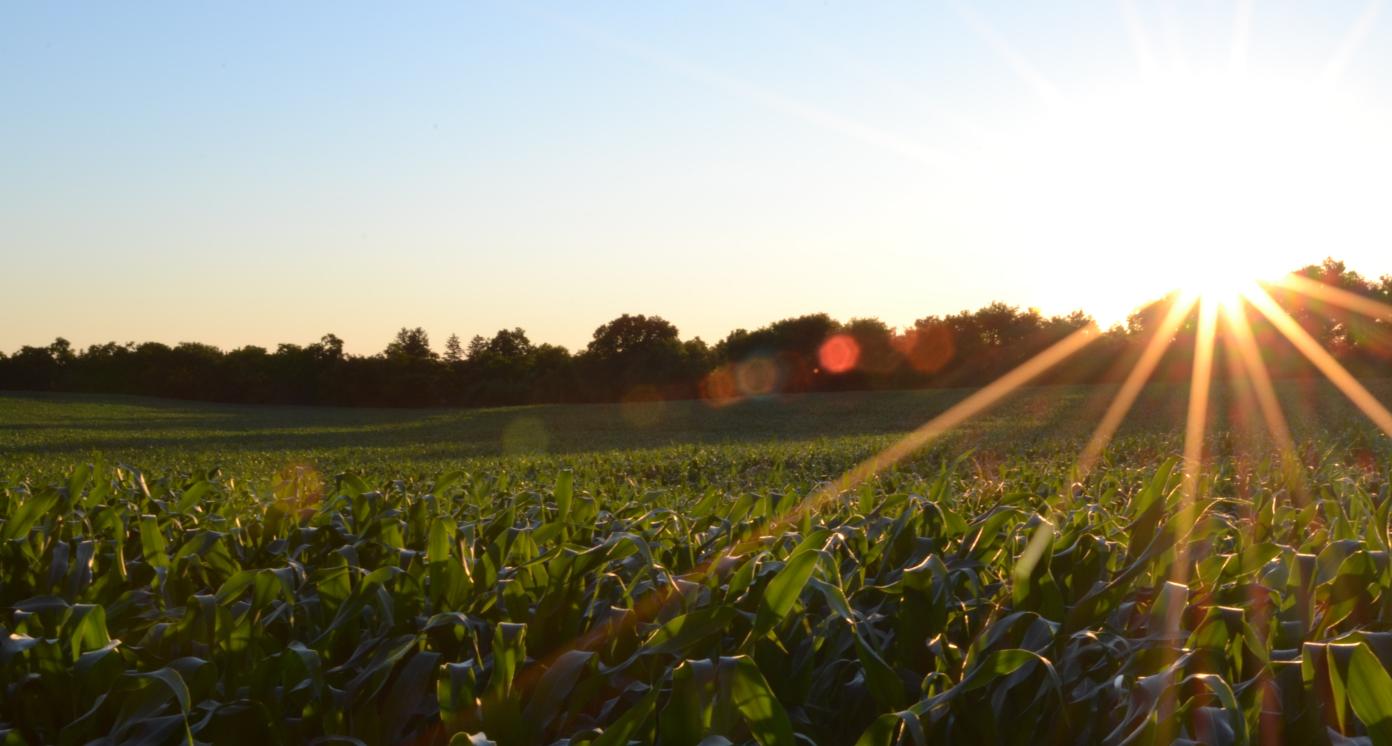
The Future of Agriculture: Embracing Sustainable Farming Solutions
In recent years, the global agricultural industry has been increasingly focusing on sustainable farming solutions to address environmental concerns and ensure long-term food security. Sustainable farming practices aim to minimise the impact on the environment while maximising productivity and economic viability. Let’s explore some innovative solutions that are shaping the future of agriculture:
Precision Agriculture
Precision agriculture involves using technology such as GPS, sensors, and drones to optimise farming practices. By collecting data on soil conditions, crop health, and weather patterns, farmers can make informed decisions to reduce input waste and improve crop yields. This targeted approach not only increases efficiency but also minimises environmental impact.
Agroforestry
Agroforestry integrates trees and shrubs into agricultural landscapes to create a more diverse and resilient ecosystem. Trees provide shade, improve soil health, sequester carbon, and offer additional sources of income through timber or fruit production. By combining forestry with traditional farming practices, agroforestry promotes biodiversity and enhances sustainability.
Cover Cropping
Cover cropping involves planting non-cash crops during fallow periods to protect soil from erosion, suppress weeds, and improve fertility. Cover crops like legumes also fix nitrogen in the soil naturally, reducing the need for synthetic fertilisers. This practice enhances soil health, reduces nutrient runoff, and promotes sustainable land management.
Integrated Pest Management (IPM)
Integrated Pest Management focuses on controlling pests through a holistic approach that combines biological controls, crop rotation, habitat manipulation, and targeted pesticide use as a last resort. By reducing reliance on chemical pesticides and promoting natural pest predators, IPM helps maintain ecological balance while safeguarding crop yields.
Water Conservation Techniques
Water scarcity is a growing concern for agriculture worldwide. Sustainable farming solutions include implementing water-saving technologies such as drip irrigation systems, rainwater harvesting, and precision water application methods. By optimising water use efficiency and reducing wastage, farmers can conserve this precious resource for future generations.
In conclusion, sustainable farming solutions offer a pathway towards a more resilient and environmentally friendly agricultural sector. By embracing innovation and adopting practices that prioritise sustainability, farmers can contribute to a healthier planet while ensuring food security for generations to come.
Exploring Sustainable Farming Solutions: Key Questions and Answers
- What is sustainable farming and why is it important?
- How can precision agriculture benefit sustainable farming practices?
- What are the key principles of agroforestry and how does it promote sustainability?
- Why is cover cropping considered a sustainable farming practice?
- What is Integrated Pest Management (IPM) and how does it contribute to sustainable agriculture?
- What water conservation techniques are commonly used in sustainable farming?
What is sustainable farming and why is it important?
Sustainable farming is an approach to agriculture that focuses on meeting the current needs of food production without compromising the ability of future generations to meet their own needs. It involves implementing practices that are environmentally friendly, economically viable, and socially responsible. Sustainable farming aims to minimise the negative impact on the environment, promote biodiversity, conserve natural resources, and ensure the well-being of farmers and communities. It is important because it helps address pressing issues such as climate change, soil degradation, water scarcity, and loss of biodiversity. By adopting sustainable farming practices, we can create a more resilient and sustainable food system that supports both people and the planet in the long run.
How can precision agriculture benefit sustainable farming practices?
Precision agriculture plays a crucial role in enhancing sustainable farming practices by leveraging technology to optimise resource management and increase efficiency. Through the use of GPS, sensors, and data analytics, precision agriculture enables farmers to make informed decisions regarding crop health, soil conditions, and irrigation needs. By precisely targeting inputs such as fertilisers and pesticides, farmers can reduce waste, minimise environmental impact, and improve overall productivity. This tailored approach not only conserves resources but also promotes sustainable land management practices, ultimately contributing to a more environmentally friendly and economically viable agricultural sector.
What are the key principles of agroforestry and how does it promote sustainability?
Agroforestry is a sustainable farming practice that integrates trees and shrubs into agricultural systems to enhance biodiversity and productivity. The key principles of agroforestry include combining trees with crops or livestock, promoting ecological interactions, and utilising the multiple benefits provided by the diverse plant species. By incorporating trees into farmland, agroforestry helps improve soil health, reduce erosion, increase water retention, sequester carbon dioxide, and provide additional sources of income through timber or fruit production. This holistic approach not only enhances the resilience of agricultural ecosystems but also contributes to long-term sustainability by promoting efficient resource use and environmental conservation.
Why is cover cropping considered a sustainable farming practice?
Cover cropping is considered a sustainable farming practice due to its numerous environmental and agricultural benefits. By planting cover crops during fallow periods, farmers help protect the soil from erosion, improve soil structure and fertility, and suppress weed growth naturally. Cover crops also play a crucial role in reducing nutrient runoff, enhancing water retention in the soil, and promoting biodiversity. Additionally, certain cover crops such as legumes have the ability to fix nitrogen in the soil, reducing the reliance on synthetic fertilisers. Overall, cover cropping contributes to sustainable land management by improving soil health, conserving resources, and supporting long-term agricultural productivity in an eco-friendly manner.
What is Integrated Pest Management (IPM) and how does it contribute to sustainable agriculture?
Integrated Pest Management (IPM) is a comprehensive approach to pest control that focuses on minimising the use of chemical pesticides and promoting environmentally friendly practices. By incorporating biological controls, crop rotation, habitat manipulation, and targeted pesticide applications as a last resort, IPM aims to manage pests in a holistic manner while preserving ecosystem balance. This method not only helps reduce the negative impact of chemical pesticides on the environment and human health but also promotes sustainable agriculture by maintaining natural pest control mechanisms and safeguarding crop yields in a more environmentally responsible way. IPM plays a crucial role in sustainable farming by ensuring long-term pest management strategies that are both effective and eco-friendly.
What water conservation techniques are commonly used in sustainable farming?
Water conservation is a critical aspect of sustainable farming, and several techniques are commonly employed to optimise water use in agricultural practices. Some of the common water conservation techniques include drip irrigation systems, which deliver water directly to the base of plants, minimising evaporation and ensuring efficient water distribution. Rainwater harvesting is another popular method that involves collecting and storing rainwater for irrigation purposes, reducing reliance on freshwater sources. Additionally, precision water application methods, such as soil moisture sensors and controlled irrigation scheduling, help farmers tailor their watering practices to specific crop needs, maximising efficiency while minimising waste. These techniques play a vital role in promoting sustainable agriculture by conserving water resources and mitigating the impact of water scarcity on farming operations.