
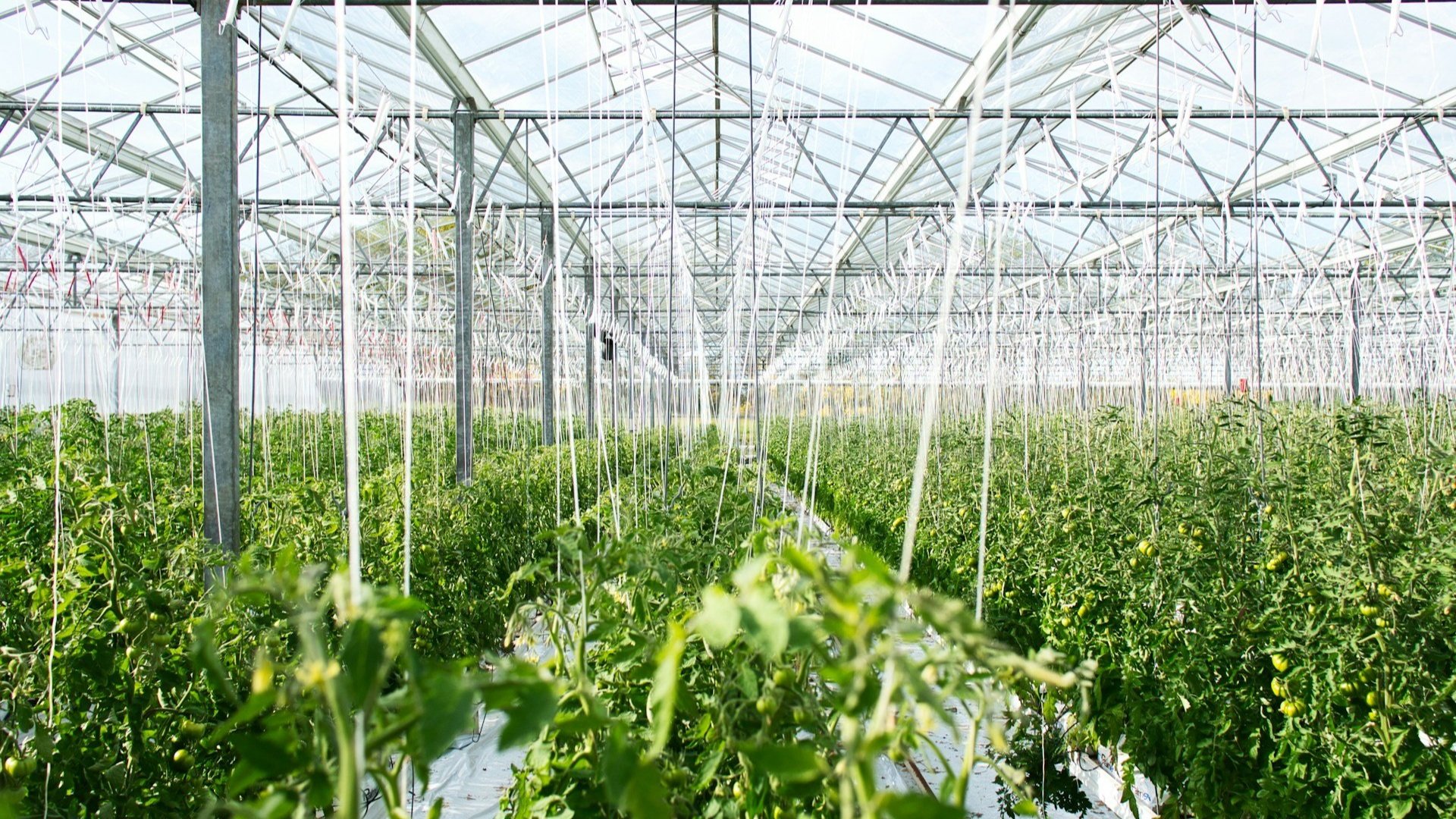
Sustainable Farming: Preserving our Future
Sustainable farming is a practice that aims to meet the needs of the present without compromising the ability of future generations to meet their own needs. It involves implementing methods that are environmentally friendly, socially responsible, and economically viable.
Environmental Benefits
One of the key advantages of sustainable farming is its positive impact on the environment. By using organic fertilisers, crop rotation, and integrated pest management, sustainable farmers help preserve soil health, protect water quality, and reduce pollution. Additionally, practices such as agroforestry and conservation tillage contribute to biodiversity conservation and mitigate climate change.
Social Responsibility
Sustainable farming also addresses social aspects by promoting fair labour practices, supporting local communities, and ensuring food security. Farmers who adopt sustainable methods often engage in direct trade relationships with consumers, bypassing intermediaries and ensuring fair prices for their produce. This fosters a sense of community and strengthens local economies.
Economic Viability
Contrary to the misconception that sustainable farming is less profitable, many studies have shown that it can be economically viable in the long term. By reducing input costs, improving soil fertility, and enhancing resilience to climate change impacts, sustainable farmers can achieve financial stability while preserving natural resources for future generations.
Conclusion
In conclusion, sustainable farming is not just a trend but a necessity for ensuring food security, environmental conservation, and social equity. By adopting sustainable practices today, we can create a more resilient and prosperous future for agriculture while safeguarding our planet for generations to come.
8 Essential Tips for Sustainable Farming Practices
- Practice crop rotation to maintain soil fertility.
- Use natural fertilizers like compost and manure.
- Implement water-saving techniques such as drip irrigation.
- Promote biodiversity by planting a variety of crops.
- Adopt integrated pest management strategies to reduce pesticide use.
- Invest in renewable energy sources for farm operations.
- Reduce food waste by proper storage and distribution practices.
- Engage in local and direct marketing to reduce carbon footprint.
Practice crop rotation to maintain soil fertility.
Practising crop rotation is a fundamental technique in sustainable farming that plays a crucial role in maintaining soil fertility. By alternating the types of crops grown in a particular field each season, farmers can prevent soil depletion and nutrient imbalances. This practice helps to break pest and disease cycles naturally, reduce the need for chemical fertilisers, and improve overall soil structure. Ultimately, crop rotation not only sustains the productivity of the land but also promotes long-term agricultural sustainability by preserving soil health for future generations.
Use natural fertilizers like compost and manure.
Using natural fertilizers such as compost and manure is a fundamental practice in sustainable farming. These organic materials not only provide essential nutrients to the soil but also improve its structure, water retention, and microbial activity. By avoiding synthetic chemicals and opting for natural fertilizers, farmers can enhance soil health, promote biodiversity, and reduce the environmental impact of agriculture. Incorporating compost and manure into farming practices is a simple yet effective way to support sustainable agriculture and contribute to a healthier ecosystem for future generations.
Implement water-saving techniques such as drip irrigation.
Implementing water-saving techniques such as drip irrigation is essential for sustainable farming practices. By delivering water directly to the roots of plants in a controlled manner, drip irrigation minimises water wastage and promotes efficient water use. This method not only conserves precious water resources but also helps prevent soil erosion and nutrient leaching. Embracing drip irrigation not only benefits the environment by reducing water consumption but also contributes to improved crop yields and overall farm productivity in a more sustainable manner.
Promote biodiversity by planting a variety of crops.
Promoting biodiversity through planting a variety of crops is a fundamental principle of sustainable farming. By cultivating different types of crops, farmers can enhance ecosystem resilience, reduce the risk of pest outbreaks, and improve soil health. Diverse crop rotations also help maintain nutrient balance in the soil and support beneficial insects and pollinators. Ultimately, embracing crop diversity not only contributes to sustainable agricultural practices but also fosters a healthier and more vibrant farming environment for both present and future generations.
Adopt integrated pest management strategies to reduce pesticide use.
By adopting integrated pest management strategies, farmers can effectively reduce their reliance on pesticides in sustainable farming practices. This approach focuses on understanding the ecosystem and implementing a combination of biological, cultural, and mechanical control methods to manage pests. By promoting natural predators, using crop rotation techniques, and employing physical barriers, farmers can minimise pesticide use while maintaining crop health and productivity. Integrated pest management not only helps preserve soil and water quality but also contributes to biodiversity conservation, making it a crucial component of sustainable agriculture.
Invest in renewable energy sources for farm operations.
Investing in renewable energy sources for farm operations is a crucial step towards achieving sustainable farming practices. By harnessing solar, wind, or bioenergy resources, farmers can reduce their reliance on fossil fuels and lower their carbon footprint. Renewable energy not only helps to mitigate climate change but also offers long-term cost savings by providing a stable and clean power supply for various farming activities. Embracing renewable energy solutions demonstrates a commitment to environmental stewardship and sets a positive example for promoting sustainability within the agricultural sector.
Reduce food waste by proper storage and distribution practices.
Reducing food waste through proper storage and distribution practices is a crucial aspect of sustainable farming. By ensuring that harvested crops are stored correctly to maintain their freshness and quality, farmers can minimise spoilage and increase the overall efficiency of the food supply chain. Implementing effective distribution strategies helps reduce unnecessary transportation emissions and ensures that produce reaches consumers in a timely manner, thus contributing to a more sustainable and resource-efficient food system.
Engage in local and direct marketing to reduce carbon footprint.
Engaging in local and direct marketing is a valuable tip for sustainable farming as it helps reduce the carbon footprint associated with food transportation. By selling produce directly to consumers or through local markets, farmers can cut down on the distance their products need to travel, thereby lowering greenhouse gas emissions from transportation vehicles. This approach not only supports the local economy but also promotes a more environmentally friendly supply chain, contributing to a more sustainable and eco-conscious farming practice.