
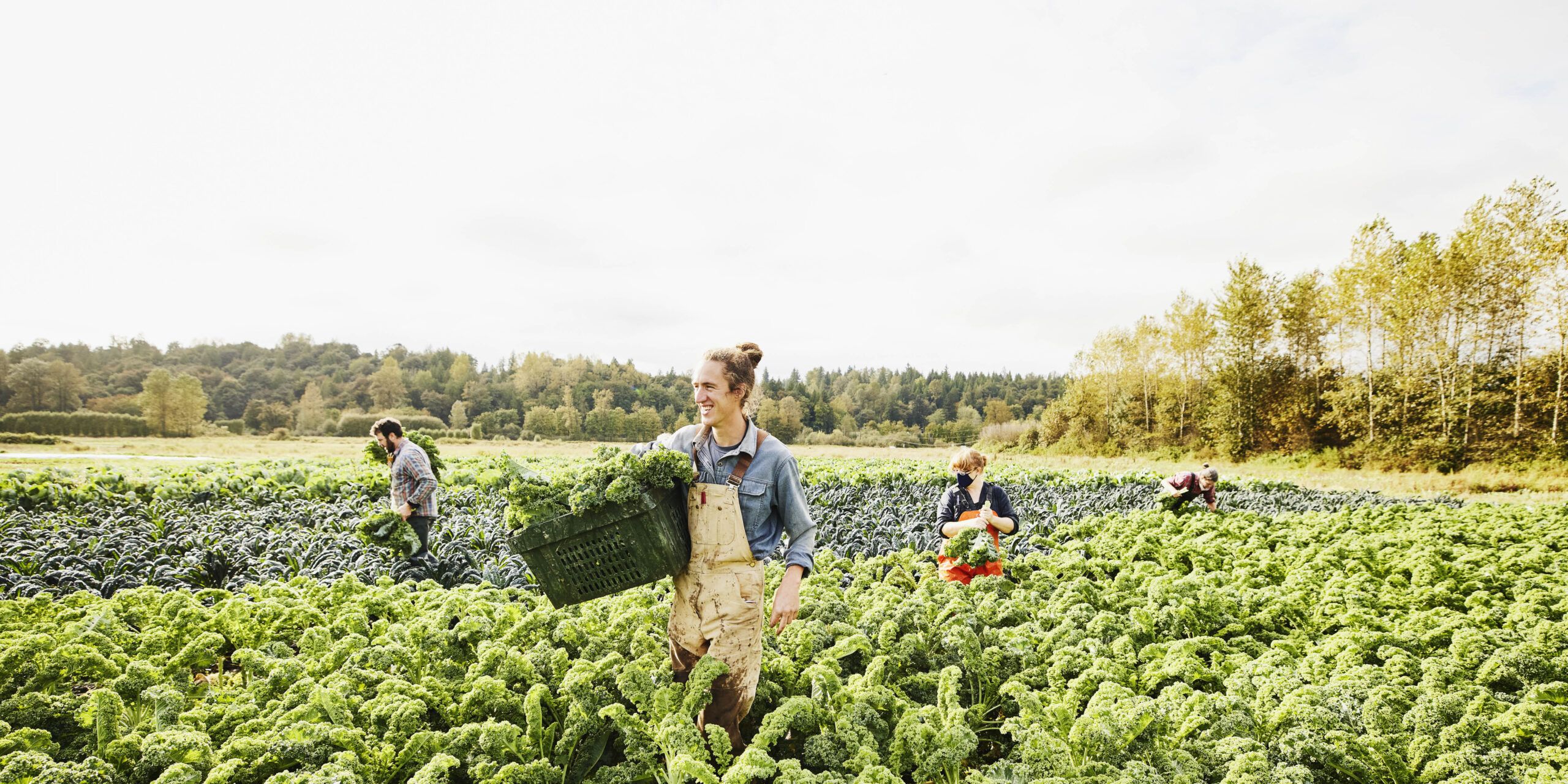
The Importance of Sustainable Food Farms
Sustainable food farms play a crucial role in promoting environmental conservation and ensuring the availability of healthy, nutritious produce for current and future generations. These farms adopt practices that aim to minimise negative impacts on the environment while maximising the long-term benefits of agriculture.
Environmental Benefits
One of the key advantages of sustainable food farms is their focus on environmental stewardship. By implementing techniques such as crop rotation, organic fertilisers, and integrated pest management, these farms reduce reliance on synthetic chemicals that can harm ecosystems and water sources. Additionally, sustainable farms often prioritise biodiversity conservation by preserving natural habitats and supporting pollinators.
Health Benefits
Consumers increasingly seek out produce from sustainable food farms due to their emphasis on quality and nutrition. By avoiding harmful pesticides and prioritising soil health through practices like cover cropping and composting, these farms produce fruits and vegetables that are not only free from harmful residues but also rich in essential nutrients.
Social Benefits
Sustainable food farms also contribute to the social well-being of communities. By promoting local food systems and engaging in direct sales to consumers through farmers’ markets or community-supported agriculture (CSA) programmes, these farms foster connections between producers and consumers. This direct relationship enhances transparency in food production and supports local economies.
The Future of Agriculture
As concerns about climate change and food security continue to grow, the role of sustainable food farms becomes increasingly important. These farms serve as models for resilient agricultural practices that can adapt to changing environmental conditions while meeting the needs of a growing population. By supporting sustainable food farms, we can contribute to a more secure and sustainable future for agriculture.
Seven Benefits of Sustainable Food Farming: A Path to Environmental Conservation and Community Well-being
- Promotes environmental conservation
- Reduces reliance on synthetic chemicals
- Supports biodiversity and ecosystem health
- Produces healthier and more nutritious food
- Enhances soil fertility and health
- Strengthens local communities and economies
- Contributes to a sustainable future for agriculture
Challenges Facing Sustainable Food Farms: Costs, Yields, Climate, and Certification
- Initial costs for transitioning to sustainable practices can be high, requiring investments in infrastructure and training.
- Sustainable farming methods may have lower yields initially compared to conventional farming practices.
- Weather variability and climate change can pose challenges for sustainable food farms, affecting crop production and viability.
- Certification processes for organic or sustainable labels can be time-consuming and costly for farmers.
Promotes environmental conservation
Promoting environmental conservation is a fundamental benefit of sustainable food farms. By implementing eco-friendly practices such as crop rotation, organic fertilisers, and integrated pest management, these farms minimise the use of harmful chemicals that can pollute soil and water sources. Additionally, sustainable food farms often prioritise biodiversity conservation by preserving natural habitats and supporting essential ecosystems. Through their commitment to environmentally responsible farming methods, sustainable food farms play a vital role in safeguarding our planet’s natural resources for future generations.
Reduces reliance on synthetic chemicals
By reducing reliance on synthetic chemicals, sustainable food farms promote environmental health and the well-being of consumers. By adopting organic farming practices, such as natural pest control methods and composting, these farms minimise the use of harmful pesticides and fertilisers that can contaminate soil and water sources. This approach not only preserves biodiversity but also ensures that the produce grown is free from potentially harmful residues, providing consumers with safe and nutritious food options.
Supports biodiversity and ecosystem health
Sustainable food farms are champions in supporting biodiversity and ecosystem health. By implementing practices that preserve natural habitats, minimise chemical inputs, and promote diverse crop rotations, these farms create thriving ecosystems where a variety of plant and animal species can flourish. This approach not only enhances the resilience of the farm’s ecosystem but also contributes to the overall health of the surrounding environment. By prioritising biodiversity, sustainable food farms play a vital role in maintaining ecological balance and fostering a sustainable future for agriculture.
Produces healthier and more nutritious food
Sustainable food farms offer a significant advantage by producing healthier and more nutritious food. By prioritising soil health, biodiversity, and natural farming practices, these farms are able to cultivate fruits and vegetables that are free from harmful chemicals and rich in essential nutrients. Consumers benefit from access to fresh, high-quality produce that not only tastes better but also contributes to overall well-being. The emphasis on nutrient-dense foods from sustainable food farms aligns with the growing demand for healthier options in our diets, promoting a more sustainable and health-conscious approach to food production and consumption.
Enhances soil fertility and health
Enhancing soil fertility and health is a significant advantage of sustainable food farms. By prioritising practices such as crop rotation, cover cropping, and organic fertilisers, these farms promote the natural balance of nutrients in the soil and support beneficial microorganisms. This approach not only improves the long-term productivity of the land but also helps to maintain soil structure, reduce erosion, and increase water retention capacity. Ultimately, by focusing on soil health, sustainable food farms ensure the sustainability of agricultural production while preserving the environment for future generations.
Strengthens local communities and economies
Sustainable food farms play a vital role in strengthening local communities and economies. By promoting direct sales to consumers through farmers’ markets, community-supported agriculture (CSA) programmes, and local partnerships, these farms create valuable connections between producers and consumers. This direct relationship not only fosters transparency in food production but also supports the local economy by circulating money within the community. Additionally, sustainable food farms often provide employment opportunities and contribute to the overall resilience and vitality of the local community.
Contributes to a sustainable future for agriculture
Sustainable food farms play a vital role in contributing to a sustainable future for agriculture. By adopting environmentally friendly practices such as organic farming methods, crop rotation, and water conservation techniques, these farms help preserve the health of the land and ensure its productivity for future generations. Through their focus on long-term sustainability, sustainable food farms serve as models for how agriculture can adapt to changing environmental conditions and promote resilience in the face of challenges such as climate change and diminishing natural resources. By supporting sustainable food farms, we are investing in the continued viability of agriculture and paving the way for a more secure and sustainable food system for years to come.
Initial costs for transitioning to sustainable practices can be high, requiring investments in infrastructure and training.
One significant drawback of transitioning to sustainable food farming practices is the high initial costs involved. Farmers looking to adopt sustainable methods may face substantial expenses related to upgrading infrastructure, investing in eco-friendly technologies, and providing training for themselves and their staff. These financial burdens can act as barriers for farmers, especially those with limited resources, hindering their ability to make the transition towards more sustainable agricultural practices.
Sustainable farming methods may have lower yields initially compared to conventional farming practices.
Sustainable farming methods, while beneficial in the long term, may face the challenge of initially lower yields when compared to conventional farming practices. This decrease in yield can be attributed to the time it takes for sustainable techniques to restore soil health and biodiversity, as well as the transition period required for farmers to adapt to new practices. Despite this con, the investment in sustainable farming ultimately leads to improved soil fertility, reduced environmental impact, and long-lasting benefits for both the land and future harvests.
Weather variability and climate change can pose challenges for sustainable food farms, affecting crop production and viability.
Weather variability and climate change present significant challenges for sustainable food farms, impacting crop production and overall viability. Fluctuations in weather patterns, such as unpredictable rainfall or extreme temperatures, can disrupt planting schedules, reduce yields, and increase the risk of crop failure. Additionally, long-term changes in climate conditions may require farmers to adapt their practices to ensure the continued sustainability of their operations. Addressing these challenges through resilient farming techniques and innovative solutions is crucial for sustainable food farms to mitigate the effects of weather variability and climate change on their productivity.
Certification processes for organic or sustainable labels can be time-consuming and costly for farmers.
The certification processes required for organic or sustainable labels can present a significant challenge for farmers, both in terms of time and cost. Meeting the stringent criteria and documentation requirements set by certification bodies can be a lengthy and resource-intensive process for farmers. The need to comply with these standards may involve additional expenses for training, audits, and inspections, which can place a financial burden on smaller-scale producers. As a result, the administrative demands and associated costs of obtaining certifications may deter some farmers from transitioning to sustainable practices, limiting the overall adoption of environmentally friendly farming methods in the agricultural sector.