
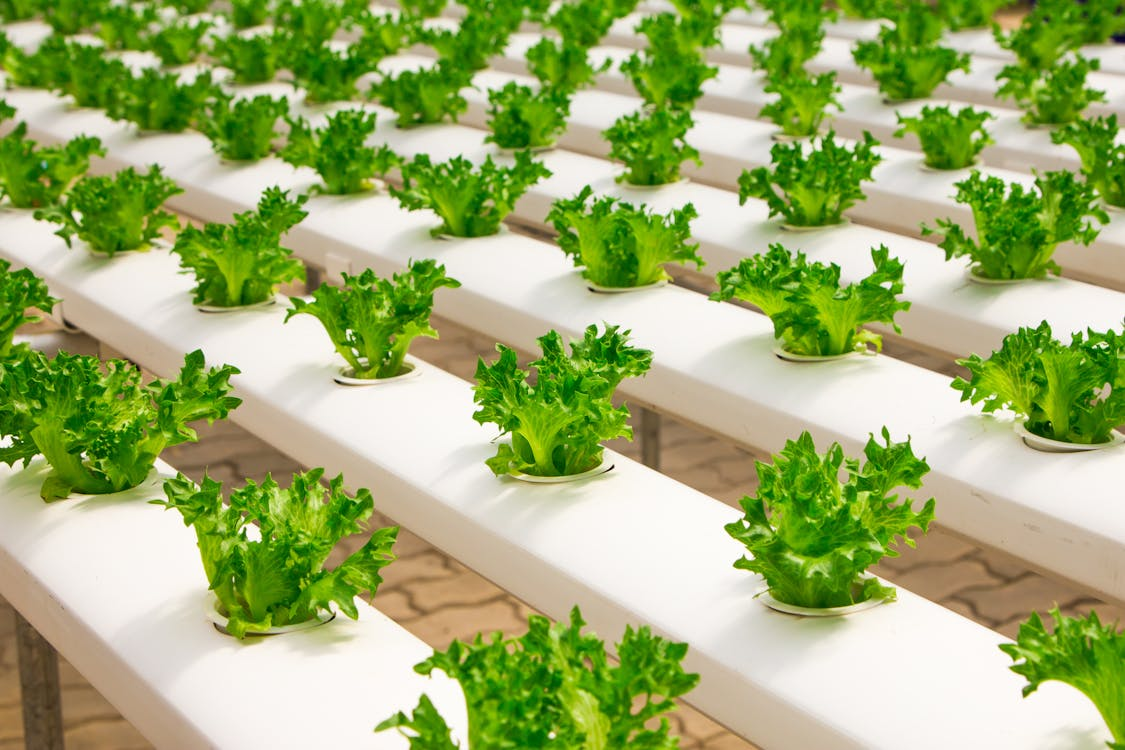
The Future of Agriculture: Embracing Sustainable Farming Methods
In recent years, the importance of sustainable farming methods has gained significant attention in the agricultural sector. With growing concerns about environmental impact, soil degradation, and food security, farmers around the world are turning towards sustainable practices to ensure a more resilient and eco-friendly future.
Sustainable farming involves techniques that promote long-term viability while minimising negative effects on the environment. One key aspect of sustainable agriculture is soil health. Practices such as crop rotation, cover cropping, and minimal tillage help maintain soil fertility, prevent erosion, and reduce the need for chemical fertilisers.
Another vital component of sustainable farming is water conservation. By implementing efficient irrigation systems, rainwater harvesting, and water recycling methods, farmers can reduce water usage and preserve this precious resource for future generations.
Furthermore, sustainable farming emphasises biodiversity and ecosystem preservation. Planting diverse crops, creating wildlife habitats on farms, and avoiding monoculture farming help support natural pollinators, control pests naturally, and enhance overall farm resilience against climate change.
Advancements in technology have also played a significant role in promoting sustainability in agriculture. From precision farming tools that optimise resource usage to renewable energy solutions that reduce carbon emissions, technology continues to drive innovation in sustainable farming practices.
As consumers become more conscious of where their food comes from and how it is produced, the demand for sustainably grown products is on the rise. Farmers who adopt sustainable practices not only benefit the environment but also gain a competitive edge in the market by meeting consumer preferences for ethical and environmentally friendly products.
In conclusion, embracing sustainable farming methods is crucial for building a more resilient agricultural sector that can meet the challenges of a changing climate and growing population. By prioritising sustainability in agriculture today, we can create a healthier planet and secure a brighter future for generations to come.
Seven Essential Tips for Sustainable Farming Practices
- Practice crop rotation to maintain soil fertility and reduce reliance on synthetic fertilizers.
- Use natural pest control methods like introducing beneficial insects or planting trap crops.
- Implement water-saving techniques such as drip irrigation or rainwater harvesting.
- Utilise cover crops to prevent soil erosion, suppress weeds, and improve soil health.
- Reduce waste by composting organic materials and recycling farm resources.
- Support biodiversity by creating habitat corridors and preserving natural areas on the farm.
- Consider agroforestry practices to integrate trees with crops for mutual benefits.
Practice crop rotation to maintain soil fertility and reduce reliance on synthetic fertilizers.
Implementing crop rotation is a fundamental sustainable farming method that plays a crucial role in maintaining soil fertility and decreasing the dependence on synthetic fertilizers. By rotating crops seasonally, farmers can help replenish essential nutrients in the soil naturally, prevent soil depletion, and reduce the need for chemical inputs. This practice not only enhances soil health but also promotes biodiversity, pest management, and overall farm productivity in an environmentally friendly manner.
Use natural pest control methods like introducing beneficial insects or planting trap crops.
Implementing natural pest control methods, such as introducing beneficial insects or planting trap crops, is a key strategy in sustainable farming practices. By harnessing the power of nature’s own mechanisms, farmers can effectively manage pests without relying on harmful chemical pesticides. Beneficial insects like ladybirds and lacewings can prey on destructive pests, helping to maintain a balanced ecosystem within the farm. Additionally, planting trap crops that attract pests away from main crops can reduce crop damage and minimise the need for synthetic pest control measures. These natural approaches not only protect the environment but also contribute to healthier and more sustainable farming systems in the long run.
Implement water-saving techniques such as drip irrigation or rainwater harvesting.
Implementing water-saving techniques such as drip irrigation or rainwater harvesting is a key strategy in sustainable farming methods. By using drip irrigation, farmers can deliver water directly to the roots of plants, minimising wastage and promoting efficient water usage. Rainwater harvesting allows farmers to collect and store rainwater for irrigation purposes, reducing reliance on freshwater sources and contributing to water conservation efforts. These practices not only help farmers manage water resources more effectively but also play a vital role in promoting environmental sustainability in agriculture.
Utilise cover crops to prevent soil erosion, suppress weeds, and improve soil health.
Utilising cover crops is a highly effective sustainable farming method that offers multiple benefits for both the soil and the overall ecosystem. By planting cover crops, farmers can prevent soil erosion by providing ground cover that protects the soil from wind and water erosion. Additionally, cover crops help suppress weeds naturally, reducing the need for herbicides and promoting a healthier soil structure. Moreover, these crops contribute to improving soil health by adding organic matter, enhancing nutrient cycling, and increasing microbial activity in the soil. Overall, incorporating cover crops into farming practices is a simple yet powerful way to promote sustainability and long-term productivity on the farm.
Reduce waste by composting organic materials and recycling farm resources.
To promote sustainable farming practices, it is essential to reduce waste by composting organic materials and recycling farm resources. By composting leftover crop residues, manure, and other organic matter, farmers can create nutrient-rich soil amendments that improve soil health and fertility. Recycling farm resources such as water, nutrients, and energy not only minimises environmental impact but also maximises efficiency in agricultural operations. Embracing these practices not only benefits the farm ecosystem but also contributes to a more sustainable and productive agricultural system in the long run.
Support biodiversity by creating habitat corridors and preserving natural areas on the farm.
Supporting biodiversity is a key aspect of sustainable farming methods. By creating habitat corridors and preserving natural areas on the farm, farmers can enhance ecosystem diversity and promote the health of various plant and animal species. These habitat corridors serve as vital connections between different habitats, allowing wildlife to move freely and ensuring genetic exchange among populations. By safeguarding natural areas within the farm, farmers contribute to conservation efforts and help maintain a balanced ecosystem that benefits both agriculture and the environment.
Consider agroforestry practices to integrate trees with crops for mutual benefits.
Agroforestry practices offer a sustainable farming approach by integrating trees with crops to achieve mutual benefits. By planting trees alongside crops, farmers can enhance soil fertility, reduce erosion, and provide natural shade and windbreaks for their fields. Additionally, the diverse ecosystem created through agroforestry supports biodiversity, attracts beneficial insects for pest control, and contributes to carbon sequestration. This integrated approach not only improves farm productivity but also promotes environmental conservation, making it a valuable strategy for sustainable agriculture.