
The Benefits of Sustainable Urban Agriculture
Urban agriculture, the practice of growing food in cities and towns, has gained popularity in recent years as a sustainable solution to food production challenges. By integrating environmentally-friendly practices into urban farming, such as using organic fertilisers, conserving water, and reducing carbon emissions, sustainable urban agriculture offers a range of benefits for both communities and the environment.
Local Food Production
Sustainable urban agriculture promotes local food production, reducing the need for long-distance transportation and minimising carbon emissions associated with food distribution. By growing food closer to where it is consumed, urban farmers can provide fresh and nutritious produce to local communities while supporting the local economy.
Green Spaces in Cities
Urban farms and community gardens contribute to the creation of green spaces in cities, enhancing biodiversity and improving air quality. These green spaces help mitigate the urban heat island effect by providing shade and cooling effects, making cities more liveable and sustainable.
Waste Reduction and Recycling
Sustainable urban agriculture promotes waste reduction and recycling through practices such as composting organic waste to create nutrient-rich soil for farming. By closing the loop on waste management within cities, urban farmers can reduce landfill waste and promote a circular economy model.
Community Engagement and Education
Urban farms serve as educational hubs where community members can learn about sustainable farming practices, healthy eating habits, and environmental stewardship. By engaging with local schools, residents, and organisations, urban farmers can raise awareness about the importance of sustainable agriculture and inspire future generations to care for the environment.
Food Security and Resilience
Sustainable urban agriculture enhances food security by diversifying food sources within cities and reducing dependence on external supply chains. In times of crisis or disruptions to global food systems, locally-grown produce from urban farms can help ensure access to fresh food for urban populations, increasing resilience against external shocks.
In conclusion, sustainable urban agriculture offers a multitude of benefits that contribute to building healthier, more resilient cities. By embracing environmentally-friendly practices and promoting community engagement, urban farmers play a vital role in creating a more sustainable future for all.
Exploring Sustainable Urban Agriculture: Key Questions and Insights
- What is sustainable urban agriculture?
- How does sustainable urban agriculture benefit the environment?
- What are the challenges of implementing sustainable urban agriculture?
- How can individuals get involved in sustainable urban agriculture?
- What role does technology play in sustainable urban agriculture?
- What resources are available for starting a sustainable urban farm?
- How does sustainable urban agriculture contribute to food security?
- Are there any government initiatives supporting sustainable urban agriculture?
- What are some successful examples of sustainable urban agriculture projects?
What is sustainable urban agriculture?
Sustainable urban agriculture refers to the practice of cultivating food within cities in an environmentally-conscious and resource-efficient manner. It involves implementing methods that minimise negative impacts on the environment, such as using organic fertilisers, conserving water, and reducing carbon emissions. Sustainable urban agriculture aims to promote local food production, create green spaces in urban areas, reduce waste through recycling practices, engage communities in educational initiatives, and enhance food security and resilience. By integrating sustainable practices into urban farming, this approach not only provides fresh and nutritious produce to city dwellers but also contributes to building healthier and more sustainable urban environments for present and future generations.
How does sustainable urban agriculture benefit the environment?
Sustainable urban agriculture benefits the environment in several ways. By promoting local food production and reducing the need for long-distance transportation, it helps lower carbon emissions associated with food distribution. Additionally, urban farming practices such as composting organic waste and using natural fertilisers contribute to waste reduction and recycling, thereby minimising landfill waste and promoting a circular economy model. Furthermore, sustainable urban agriculture creates green spaces in cities, enhancing biodiversity, improving air quality, and mitigating the urban heat island effect. Overall, by integrating environmentally-friendly practices into urban farming, sustainable agriculture plays a crucial role in fostering a healthier and more sustainable urban environment.
What are the challenges of implementing sustainable urban agriculture?
Implementing sustainable urban agriculture poses several challenges that need to be addressed for its successful integration into urban environments. One significant challenge is limited land availability in cities, which can restrict the scale and productivity of urban farms. Another obstacle is the lack of access to resources such as water and sunlight, essential for plant growth, in densely populated urban areas. Additionally, navigating zoning regulations and securing land tenure for agricultural use can be complex and time-consuming processes. Overcoming these challenges requires innovative solutions, community engagement, and policy support to promote the long-term viability of sustainable urban agriculture initiatives.
How can individuals get involved in sustainable urban agriculture?
To get involved in sustainable urban agriculture, individuals can start by participating in community gardens, joining local urban farming initiatives, or volunteering at urban farms. By attending workshops, training programmes, and educational events on sustainable farming practices, individuals can learn how to grow their own food using eco-friendly methods. Additionally, supporting farmers’ markets that promote locally-grown produce and advocating for green spaces in cities can also help individuals contribute to sustainable urban agriculture efforts. By engaging with the community and taking small steps towards sustainable practices, individuals can play a significant role in promoting food security and environmental sustainability in urban areas.
What role does technology play in sustainable urban agriculture?
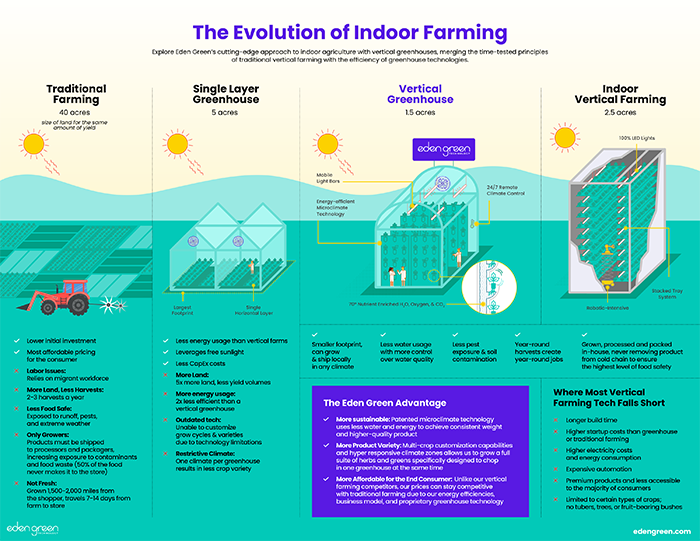
Technology plays a crucial role in advancing sustainable urban agriculture by enabling innovative solutions to enhance efficiency, productivity, and environmental stewardship. From precision farming tools that optimise resource use to vertical farming systems that maximise space utilisation, technology empowers urban farmers to grow food in a more sustainable and resource-efficient manner. Additionally, smart irrigation systems, sensor-based monitoring devices, and data analytics help farmers make informed decisions, reduce water consumption, and minimise waste. By integrating technology into sustainable urban agriculture practices, farmers can overcome challenges and contribute to building resilient and thriving urban food systems for the future.
What resources are available for starting a sustainable urban farm?
When embarking on the journey of starting a sustainable urban farm, there are various resources available to support aspiring urban farmers. Local agricultural extension services and government agencies often provide valuable information on zoning regulations, land access, and permits required for urban farming activities. Additionally, community organisations, non-profit groups, and agricultural cooperatives offer workshops, training programmes, and mentorship opportunities to help individuals kickstart their sustainable farming ventures. Online platforms and forums dedicated to urban agriculture serve as valuable hubs for sharing knowledge, connecting with like-minded individuals, and accessing resources such as guides on sustainable farming practices and tips for managing urban farm operations effectively. By tapping into these diverse resources, aspiring urban farmers can navigate the challenges of starting a sustainable farm in an urban setting with greater confidence and support.
How does sustainable urban agriculture contribute to food security?
Sustainable urban agriculture plays a crucial role in enhancing food security by providing local communities with reliable access to fresh and nutritious produce. By cultivating a diverse range of crops within cities, urban farmers help reduce reliance on external food supply chains, making communities less vulnerable to disruptions. Additionally, sustainable urban agriculture promotes self-sufficiency and resilience by increasing the availability of locally-grown food, especially in times of crisis or emergencies. Through practices such as composting, water conservation, and organic farming methods, urban agriculture contributes to a more sustainable and secure food system for urban populations.
Are there any government initiatives supporting sustainable urban agriculture?
Government initiatives supporting sustainable urban agriculture play a crucial role in fostering the growth of eco-friendly farming practices in urban areas. Many local and national governments around the world have implemented programmes to support urban farmers, such as providing grants, land access, technical assistance, and training opportunities. These initiatives aim to promote food security, environmental sustainability, and community resilience by incentivising and supporting sustainable agricultural practices within cities. By collaborating with government agencies and utilising available resources, urban farmers can benefit from these initiatives to further develop and expand their sustainable farming operations.
What are some successful examples of sustainable urban agriculture projects?
Several successful examples of sustainable urban agriculture projects around the world showcase innovative approaches to food production in urban settings. For instance, “The Plant” in Chicago is a vertical farm that utilises aquaponics to grow vegetables and raise fish in a closed-loop system, minimising waste and maximising efficiency. In London, “Sutton Community Farm” operates as a community-supported agriculture project, engaging local residents in organic farming practices and promoting food sovereignty. Additionally, “Brooklyn Grange” in New York City demonstrates rooftop farming on a large scale, producing fresh produce for local markets while reducing the urban heat island effect. These projects highlight the diverse ways in which sustainable urban agriculture can thrive and contribute to creating more resilient and environmentally-conscious cities.