
The Rise of Sustainable Urban Farming
Urban farming, once considered a niche practice, is now gaining momentum as a key solution to food security and sustainability challenges in cities. Sustainable urban farming involves cultivating crops and raising livestock within urban areas using eco-friendly methods that minimise environmental impact and promote self-sufficiency.
One of the primary benefits of sustainable urban farming is its ability to reduce the carbon footprint associated with food production and transportation. By growing produce locally, urban farmers can cut down on emissions generated by long-distance shipping and refrigeration. This not only lowers greenhouse gas emissions but also helps to combat climate change.
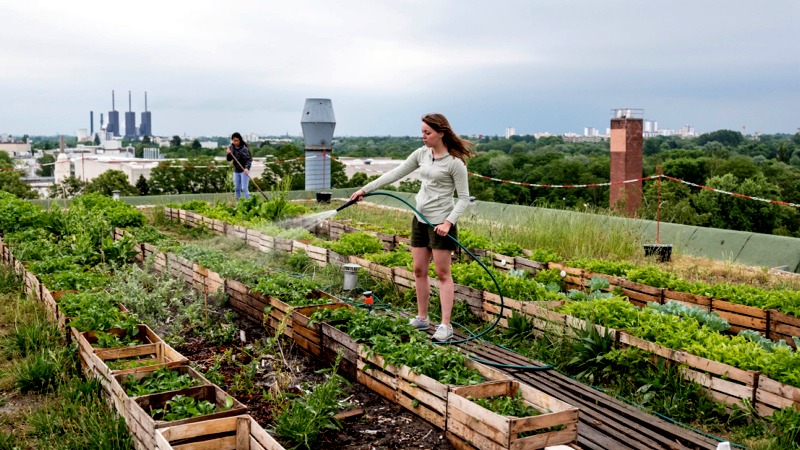
Furthermore, sustainable urban farming promotes biodiversity by creating green spaces within cities. Rooftop gardens, vertical farms, and community allotments provide habitats for pollinators and wildlife, enhancing urban ecosystems. These green spaces also improve air quality by absorbing carbon dioxide and releasing oxygen, contributing to a healthier environment for city residents.
In addition to environmental benefits, sustainable urban farming plays a vital role in promoting food security in densely populated areas. By producing fresh fruits, vegetables, and herbs locally, urban farmers can increase access to nutritious food options for city dwellers. This is especially important in food deserts where access to affordable and healthy produce is limited.
Community involvement is another key aspect of sustainable urban farming. Many initiatives involve local residents in the cultivation process through community gardens or educational programmes. These projects not only foster a sense of community pride but also provide valuable opportunities for learning about agriculture and sustainability.
In conclusion, sustainable urban farming represents a promising approach to addressing the challenges of food security, environmental sustainability, and community engagement in cities. By embracing eco-friendly practices and utilising innovative growing techniques, urban farmers are leading the way towards a more resilient and vibrant urban food system.
Understanding Sustainable Urban Farming: Answers to 7 Common Questions
- What is the most sustainable method of farming?
- What are some examples of sustainable farming?
- What is a sustainable farming system?
- What is the sustainable farming scheme?
- What is a sustainable urban area?
- What is sustainable urban living?
- How is urban farming sustainable?
What is the most sustainable method of farming?
When it comes to sustainable farming practices, there is no one-size-fits-all answer to the question of the most sustainable method. Sustainable farming encompasses a range of techniques and approaches that aim to minimise environmental impact, promote biodiversity, and ensure long-term food security. Some commonly recognised sustainable farming methods include organic farming, permaculture, agroforestry, and regenerative agriculture. Each method has its own strengths and benefits, depending on factors such as local climate, soil conditions, and available resources. Ultimately, the most sustainable method of farming is one that takes a holistic approach to land stewardship, prioritising soil health, water conservation, and ecosystem resilience while meeting the needs of present and future generations.
What are some examples of sustainable farming?
Sustainable farming encompasses a variety of practices that aim to minimise environmental impact, promote biodiversity, and support local communities. Some examples of sustainable farming methods include organic farming, permaculture, agroforestry, and no-till farming. Organic farming avoids synthetic pesticides and fertilisers, focusing on natural inputs and crop rotation to maintain soil health. Permaculture integrates agriculture with ecological principles to create self-sustaining systems that mimic natural ecosystems. Agroforestry combines trees and crops to enhance biodiversity and soil fertility. No-till farming reduces soil disturbance by avoiding ploughing, which helps retain moisture and prevent erosion. These sustainable farming practices not only benefit the environment but also contribute to healthier food production and resilient agricultural systems.
What is a sustainable farming system?
A sustainable farming system is a holistic approach to agriculture that aims to meet the current needs for food production while preserving the environment and natural resources for future generations. It involves practices that promote soil health, biodiversity, and resource efficiency, reducing reliance on synthetic inputs and minimising environmental impact. Sustainable farming systems typically incorporate techniques such as crop rotation, cover cropping, integrated pest management, and water conservation to maintain a balance between productivity and environmental stewardship. By prioritising long-term sustainability over short-term gains, sustainable farming systems strive to create resilient agricultural ecosystems that can thrive in harmony with nature.
What is the sustainable farming scheme?
The sustainable farming scheme encompasses a set of practices and initiatives aimed at promoting environmentally friendly and socially responsible agricultural methods. This scheme focuses on reducing the ecological impact of farming activities, such as minimising chemical inputs, conserving water resources, and enhancing biodiversity. By adopting sustainable farming practices, farmers strive to maintain the long-term health of the land while ensuring the well-being of future generations. The scheme often involves certification programmes, training sessions, and financial incentives to support farmers in transitioning towards more sustainable agricultural practices that benefit both the environment and local communities.
What is a sustainable urban area?
A sustainable urban area is a community or neighbourhood within a city that is designed and managed to meet the needs of its residents while minimising its environmental impact and promoting long-term viability. In the context of sustainable urban farming, a sustainable urban area integrates green spaces, eco-friendly infrastructure, and efficient resource management practices to create a healthy and resilient environment for both people and nature. By prioritising factors such as energy efficiency, waste reduction, green transportation options, and access to local food sources, sustainable urban areas strive to balance economic prosperity with social equity and environmental stewardship.
What is sustainable urban living?
Sustainable urban living encompasses a lifestyle that prioritises environmental responsibility, social equity, and economic viability within urban settings. It involves adopting practices that minimise resource consumption, reduce waste generation, and promote community well-being. In the context of sustainable urban farming, sustainable urban living extends to cultivating food locally, engaging in green spaces initiatives, and supporting initiatives that contribute to a more resilient and environmentally conscious urban environment. By embracing sustainable urban living principles, individuals can contribute to creating healthier, more liveable cities for current and future generations.
How is urban farming sustainable?
Urban farming is sustainable in several ways. Firstly, by utilising underutilised urban spaces such as rooftops, vacant lots, and vertical structures for agriculture, urban farming maximises land efficiency and reduces the need for sprawling farmland. This practice helps to preserve green spaces within cities and promotes biodiversity. Secondly, sustainable urban farming often incorporates eco-friendly techniques such as composting, rainwater harvesting, and organic pest control methods to minimise environmental impact. By prioritising resource conservation and reducing reliance on synthetic inputs, urban farming contributes to a more sustainable food production system. Lastly, by shortening the distance between food production and consumption, urban farming reduces carbon emissions associated with transportation and storage, thus promoting a more locally-centric and environmentally friendly approach to food production.