
The Importance of Sustainable Soil Management Practices
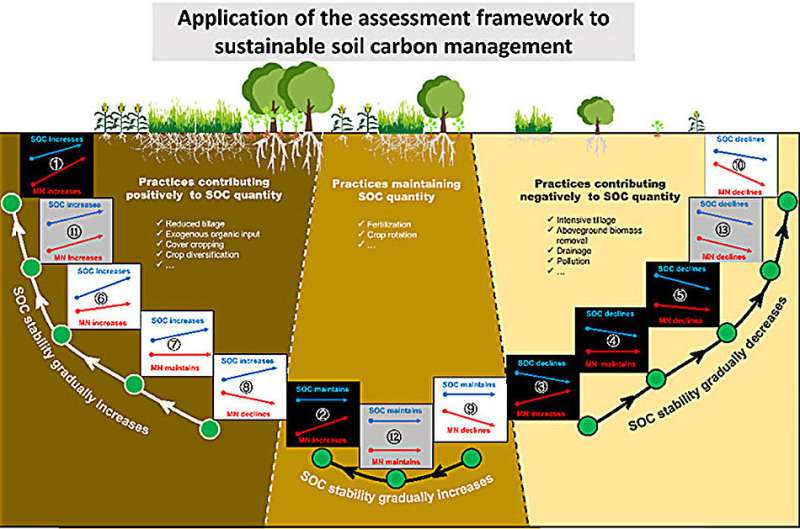
Soil is a precious resource that plays a vital role in supporting life on Earth. Sustainable soil management practices are essential to maintain soil health, fertility, and productivity for future generations. By adopting sustainable techniques, farmers can protect the environment, enhance crop yields, and ensure long-term food security.
Conservation Tillage
Conservation tillage practices, such as no-till farming and reduced tillage, help to minimise soil disturbance and erosion. By leaving crop residues on the soil surface, these techniques improve water retention, reduce nutrient loss, and promote soil structure stability.
Crop Rotation
Implementing crop rotation systems can prevent soil depletion and nutrient imbalances. Rotating different crops helps break pest cycles, improve soil fertility through nitrogen fixation, and reduce the risk of diseases. It also enhances biodiversity in agricultural landscapes.
Organic Matter Management
Adding organic matter to the soil through composting, cover cropping, and mulching enhances soil structure and fertility. Organic matter serves as a source of nutrients for plants, improves water infiltration and retention, and promotes beneficial microbial activity in the soil.
Water Management
Efficient water management practices such as drip irrigation and rainwater harvesting help conserve water resources and reduce soil erosion. Proper irrigation scheduling prevents waterlogging or drought stress in crops, maintaining optimal moisture levels for plant growth while minimising environmental impact.
Soil Testing
Regular soil testing allows farmers to assess nutrient levels in the soil accurately. By understanding the nutrient requirements of crops, farmers can apply fertilisers more efficiently, avoiding overuse that can lead to nutrient runoff and water pollution. Balanced fertilisation promotes healthy plant growth while preserving soil quality.
Conclusion
Sustainable soil management practices are essential for preserving the health of our soils and ensuring sustainable agricultural production. By implementing conservation tillage, crop rotation, organic matter management, water conservation measures, and regular soil testing, farmers can protect their land while promoting long-term productivity and environmental sustainability.
Frequently Asked Questions on Sustainable Soil Management Practices
- What are the 4 principles for sustainable soil management?
- What is the importance of sustainable management of soil resources?
- What are the 5 principles of soil management?
- What are sustainable management practices?
- How can we keep soil sustainable?
- What are the four tips in sustainable soil management practice?
What are the 4 principles for sustainable soil management?
In sustainable soil management, there are four key principles that guide practices to maintain soil health and productivity for future generations. The first principle is conservation tillage, which aims to minimise soil disturbance and erosion by reducing or eliminating tillage operations. Crop rotation is another essential principle, involving the systematic rotation of different crops to enhance soil fertility and prevent nutrient depletion. Organic matter management is crucial for adding nutrients to the soil through composting, cover cropping, and mulching. Lastly, proper water management practices help conserve water resources and prevent soil erosion, ensuring optimal moisture levels for plant growth. By adhering to these four principles, farmers can promote sustainable agriculture while preserving the health of their soils.
What is the importance of sustainable management of soil resources?
The importance of sustainable management of soil resources lies in its critical role in supporting agricultural productivity, environmental health, and long-term food security. By adopting sustainable soil management practices, such as conservation tillage, crop rotation, organic matter management, water conservation, and soil testing, farmers can maintain soil fertility, structure, and biodiversity. Preserving soil health through sustainable practices not only enhances crop yields but also mitigates erosion, reduces nutrient depletion, and promotes ecosystem resilience. Ultimately, sustainable soil management ensures the preservation of this valuable resource for future generations while contributing to a more sustainable and resilient agricultural system.
What are the 5 principles of soil management?
When it comes to sustainable soil management practices, understanding the five key principles is crucial for maintaining soil health and productivity. The five principles of soil management include conservation tillage, crop rotation, organic matter management, water management, and soil testing. Conservation tillage techniques help reduce soil erosion and preserve soil structure, while crop rotation systems prevent nutrient depletion and improve biodiversity. Managing organic matter through composting and mulching enhances soil fertility and microbial activity. Efficient water management practices conserve water resources and prevent erosion, while regular soil testing ensures balanced fertilisation for optimal plant growth. By adhering to these principles, farmers can promote sustainable agriculture practices that benefit both the environment and future generations.
What are sustainable management practices?
Sustainable management practices encompass a range of techniques and strategies aimed at preserving the health and productivity of soil while minimising environmental impact. In the context of agriculture, sustainable soil management practices involve methods such as conservation tillage, crop rotation, organic matter management, water conservation, and soil testing. These practices promote soil fertility, enhance crop yields, reduce erosion, conserve water resources, and support biodiversity. By adopting sustainable management practices, farmers can ensure the long-term viability of their land while contributing to a more sustainable and resilient agricultural system.
How can we keep soil sustainable?
To keep soil sustainable, it is essential to implement a range of best practices that promote soil health and resilience. Conservation tillage methods, such as no-till farming and reduced tillage, help minimise soil erosion and maintain soil structure. Crop rotation systems can prevent nutrient depletion and improve soil fertility. Managing organic matter through composting and cover cropping enhances soil quality and nutrient availability. Efficient water management techniques conserve water resources and prevent soil degradation. Regular soil testing allows for precise nutrient management, ensuring optimal plant nutrition without harming the environment. By combining these sustainable soil management practices, we can protect the long-term productivity of our soils while promoting environmental sustainability in agriculture.
What are the four tips in sustainable soil management practice?
When it comes to sustainable soil management practices, there are four key tips that can help farmers enhance soil health and productivity. Firstly, adopting conservation tillage techniques, such as no-till farming and reduced tillage, can minimise soil disturbance and erosion. Secondly, implementing crop rotation systems can prevent soil depletion and nutrient imbalances while promoting biodiversity in agricultural landscapes. Thirdly, managing organic matter through composting, cover cropping, and mulching can improve soil fertility and structure. Lastly, efficient water management practices like drip irrigation and rainwater harvesting help conserve water resources and prevent soil erosion. By following these tips, farmers can maintain healthy soils for sustainable agricultural production.