
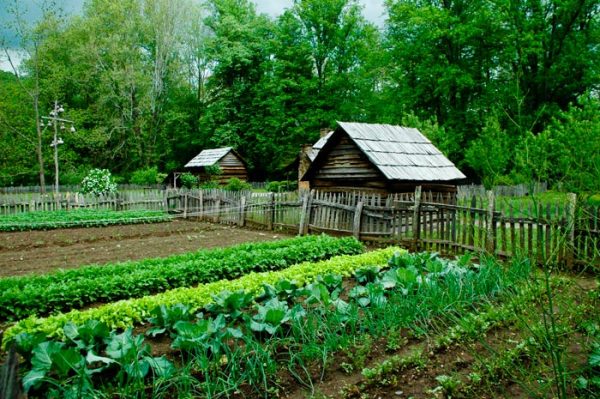
The Benefits of Self-Sufficient Farming
Self-sufficient farming, also known as self-reliant or sustainable farming, is a practice that aims to produce food and resources without relying on external sources. This method of farming has gained popularity in recent years due to its numerous benefits for both farmers and the environment.
Environmental Sustainability
One of the key advantages of self-sufficient farming is its positive impact on the environment. By reducing reliance on chemical fertilisers and pesticides, self-sufficient farmers help preserve soil quality and biodiversity. Additionally, sustainable farming practices such as crop rotation and composting contribute to healthier ecosystems and mitigate climate change.
Economic Independence
Self-sufficient farming offers farmers greater economic independence by reducing input costs and increasing self-reliance. By producing their own food, energy, and resources, farmers can save money on purchasing external inputs and reduce their dependence on fluctuating market prices.
Food Security
Self-sufficient farming enhances food security by ensuring a consistent supply of fresh produce for farmers and their communities. By growing a diverse range of crops and raising livestock, self-sufficient farmers can meet their nutritional needs year-round without relying on imported or processed foods.
Community Resilience
Self-sufficient farming strengthens local communities by promoting collaboration, knowledge sharing, and resource exchange. Farmers who practice self-sufficiency often form networks to support each other in times of need, creating resilient communities that can withstand external shocks such as natural disasters or economic downturns.
The Future of Farming
In an era marked by environmental challenges and food insecurity, self-sufficient farming offers a sustainable solution for the future of agriculture. By prioritising ecological balance, economic autonomy, and community well-being, self-sufficient farmers are leading the way towards a more resilient and sustainable food system.
Exploring Self-Sufficient Farming: FAQs on Starting, Benefits, Challenges, and Environmental Impact
- What is self-sufficient farming?
- How can I start with self-sufficient farming?
- What are the benefits of self-sufficient farming?
- Is self-sufficient farming suitable for everyone?
- What are some common challenges faced in self-sufficient farming?
- How does self sufficient-farming contribute to environmental conservation?
What is self-sufficient farming?
Self-sufficient farming, also known as self-reliant or sustainable farming, refers to a farming practice where farmers aim to produce their own food and resources without relying heavily on external sources. In self-sufficient farming, farmers strive to create a closed-loop system where they can meet their agricultural needs through on-farm production and sustainable practices. This approach often involves growing a diverse range of crops, raising livestock, implementing eco-friendly techniques like composting and crop rotation, and minimising the use of chemical inputs. Self-sufficient farming promotes environmental sustainability, economic independence, food security, and community resilience by reducing dependence on external resources and fostering self-reliance within the farming community.
How can I start with self-sufficient farming?
Embarking on a journey towards self-sufficient farming requires careful planning and dedication. To start with self-sufficient farming, begin by assessing your resources, including land availability, water supply, and climate conditions. Conduct research on sustainable farming practices and techniques that align with your goals and values. Consider starting small and gradually expanding as you gain experience and confidence. Seek guidance from experienced farmers or agricultural experts, attend workshops, and join local farming communities to learn from others’ experiences. Remember that self-sufficient farming is a continuous learning process that involves trial and error, so be patient and adaptable as you navigate this rewarding path towards greater independence and sustainability in agriculture.
What are the benefits of self-sufficient farming?
Self-sufficient farming offers a multitude of benefits that encompass environmental sustainability, economic independence, food security, and community resilience. By reducing reliance on external inputs such as chemical fertilisers and pesticides, self-sufficient farmers contribute to healthier ecosystems and mitigate climate change. Economically, self-sufficiency leads to greater independence by cutting input costs and reducing dependency on fluctuating market prices. In terms of food security, self-sufficient farming ensures a consistent supply of fresh produce year-round, promoting healthier diets and reducing reliance on imported or processed foods. Moreover, self-sufficiency fosters community resilience through collaboration, knowledge sharing, and mutual support networks among farmers, creating stronger communities capable of withstanding various challenges.
Is self-sufficient farming suitable for everyone?
The question of whether self-sufficient farming is suitable for everyone is a complex one that depends on individual circumstances and goals. While self-sufficient farming offers numerous benefits such as environmental sustainability, economic independence, and food security, it also requires significant time, effort, and resources to establish and maintain. Factors such as available land, agricultural knowledge, access to resources, and willingness to embrace a self-reliant lifestyle all play a role in determining the feasibility of self-sufficient farming for an individual or family. Ultimately, while self-sufficient farming may not be practical or desirable for everyone, it can be a rewarding and fulfilling endeavour for those who are committed to sustainable living and resilient food production.
What are some common challenges faced in self-sufficient farming?
In self-sufficient farming, several common challenges are often encountered by farmers striving for autonomy and sustainability. One significant challenge is the initial investment required to establish a self-sufficient farm, including infrastructure, equipment, and resources. Additionally, unpredictable weather patterns and climate change can pose obstacles to crop production and livestock management. Limited access to water sources and land constraints may also hinder the expansion of self-sufficient farming practices. Moreover, maintaining a diverse and balanced ecosystem while minimising pests and diseases without relying on chemical inputs can be a complex task for self-sufficient farmers. Overcoming these challenges requires careful planning, continuous innovation, and a strong commitment to sustainable farming principles.
How does self sufficient-farming contribute to environmental conservation?
Self-sufficient farming plays a crucial role in environmental conservation by promoting sustainable agricultural practices that minimise harm to the ecosystem. By reducing reliance on chemical inputs such as fertilisers and pesticides, self-sufficient farmers help maintain soil health and biodiversity. Practices like crop rotation, composting, and water conservation not only improve soil fertility but also reduce pollution and protect natural resources. Additionally, self-sufficient farming encourages the use of renewable energy sources and promotes efficient waste management, further reducing the farm’s carbon footprint. Overall, self-sufficient farming fosters a harmonious relationship between agriculture and the environment, contributing to long-term environmental conservation efforts.