
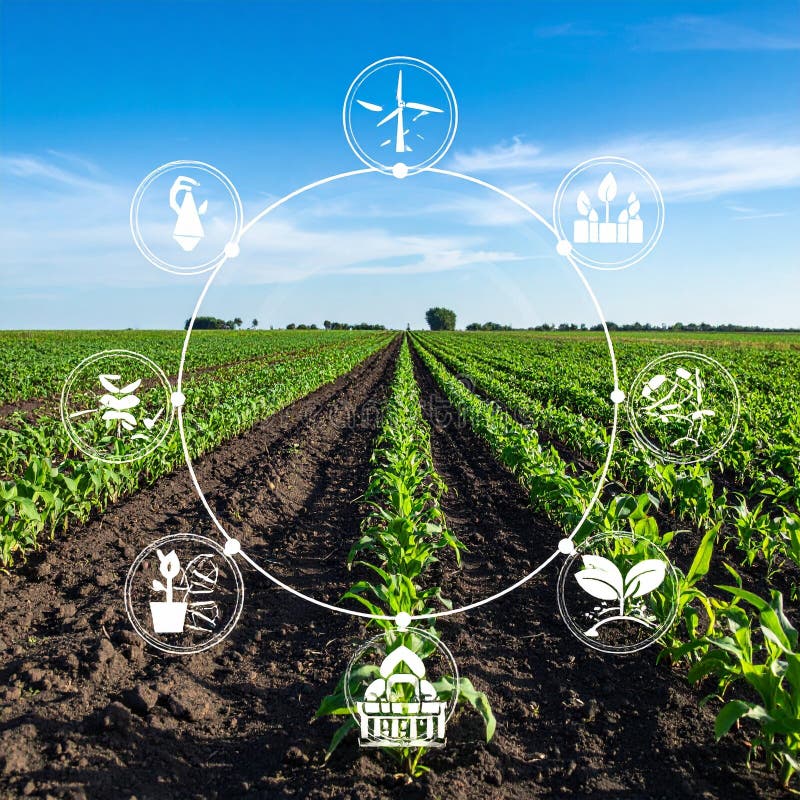
The Future of Farming Technology
As the world population continues to grow, the demand for food production is increasing at an unprecedented rate. To meet this challenge, the agriculture industry is turning to technology to revolutionise farming practices and ensure sustainable food production for the future.
Precision Agriculture
One of the key advancements in farming technology is precision agriculture. This approach utilises data analytics, GPS mapping, and remote sensing technologies to optimise crop yields and reduce resource wastage. Farmers can now monitor soil conditions, crop health, and weather patterns in real-time, allowing for precise application of water, fertilisers, and pesticides.
Automation and Robotics
Automation and robotics are transforming traditional farming methods by streamlining repetitive tasks and increasing efficiency. Autonomous tractors, drones, and robotic harvesters are being deployed to perform activities such as planting, spraying, monitoring crops, and harvesting. These technologies not only save time and labour costs but also improve productivity and accuracy.
Vertical Farming
Vertical farming is a sustainable solution to urban agriculture challenges. By growing crops in vertically stacked layers in controlled environments like warehouses or skyscrapers, farmers can maximise space utilisation, reduce water consumption, and minimise pesticide use. LED lighting systems and hydroponic or aeroponic cultivation methods enable year-round production of fresh produce in urban areas.
Biotechnology
Advancements in biotechnology have led to genetically modified crops that offer increased resistance to pests, diseases, and environmental stresses. Genetic engineering techniques allow scientists to develop crops with enhanced nutritional value or tailored traits for specific growing conditions. Biotechnology plays a crucial role in improving crop resilience and addressing global food security challenges.
The Internet of Things (IoT)
The Internet of Things (IoT) connects devices embedded with sensors to collect data and facilitate communication between machines on farms. IoT technology enables farmers to remotely monitor equipment performance, crop conditions, irrigation systems, and livestock health through mobile applications or cloud-based platforms. Real-time data analysis helps farmers make informed decisions for optimal farm management.
In conclusion, the future of farming technology holds immense potential for transforming agriculture into a more efficient, sustainable, and productive industry. By embracing innovation and integrating cutting-edge technologies into farming practices, we can address global food security challenges while minimising environmental impact.
Embracing the Future: 6 Essential Tips for Advancing Farming Technology in the UK
- Invest in precision agriculture technologies to improve crop yields and reduce resource wastage.
- Explore the use of drones for monitoring crops, spraying pesticides, and collecting data on soil conditions.
- Implement IoT devices to gather real-time data on weather, soil moisture, and plant health for better decision-making.
- Adopt vertical farming techniques to maximise space efficiency and increase year-round production.
- Consider incorporating AI and machine learning algorithms for predictive analytics in farming operations.
- Stay informed about emerging technologies such as robotics and blockchain that can revolutionise the agricultural industry.
Invest in precision agriculture technologies to improve crop yields and reduce resource wastage.
Investing in precision agriculture technologies is a strategic move to enhance crop yields and minimise resource wastage in farming practices. By leveraging data analytics, GPS mapping, and remote sensing tools, farmers can gain valuable insights into soil conditions, crop health, and environmental factors in real-time. This allows for targeted application of water, fertilisers, and pesticides, optimising resource usage while maximising productivity. Precision agriculture not only boosts crop yields but also promotes sustainable farming practices by reducing input wastage and enhancing overall efficiency in agricultural operations.
Explore the use of drones for monitoring crops, spraying pesticides, and collecting data on soil conditions.
In the rapidly evolving landscape of farming technology, exploring the use of drones presents a promising opportunity for revolutionising agricultural practices. Drones offer a versatile solution for monitoring crops from above, enabling farmers to detect issues such as pest infestations or nutrient deficiencies early on. Moreover, drones equipped with pesticide spraying mechanisms can target specific areas with precision, reducing chemical usage and minimising environmental impact. Additionally, utilising drones to collect data on soil conditions provides valuable insights for optimising crop management strategies and enhancing overall productivity on the farm. Embracing drone technology in agriculture holds great potential for improving efficiency and sustainability in food production systems.
Implement IoT devices to gather real-time data on weather, soil moisture, and plant health for better decision-making.
By implementing IoT devices on farms, farmers can gather real-time data on weather conditions, soil moisture levels, and plant health status. This valuable information allows for more informed decision-making processes, enabling farmers to adjust irrigation schedules, apply fertilisers and pesticides precisely, and monitor crop growth with greater accuracy. By harnessing the power of IoT technology, farmers can optimise resource usage, enhance crop yields, and ultimately improve overall farm productivity in a sustainable manner.
Adopt vertical farming techniques to maximise space efficiency and increase year-round production.
Vertical farming techniques offer a promising solution for maximising space efficiency and enhancing year-round production in agriculture. By utilising stacked layers in controlled indoor environments, farmers can optimise land usage and overcome spatial limitations. This innovative approach, coupled with advanced technologies such as LED lighting and hydroponic systems, enables continuous cultivation of crops regardless of seasonal variations. Embracing vertical farming not only boosts productivity but also promotes sustainable practices by reducing water consumption and pesticide usage.
Consider incorporating AI and machine learning algorithms for predictive analytics in farming operations.
Incorporating AI and machine learning algorithms into farming operations can significantly enhance predictive analytics, allowing farmers to make more informed decisions. By analysing vast amounts of data collected from various sources such as weather patterns, soil conditions, and crop health, these technologies can forecast potential issues and optimise resource allocation. This proactive approach enables farmers to anticipate challenges like pest infestations or adverse weather conditions, thereby reducing risks and improving yields. Furthermore, machine learning models can continuously adapt and refine their predictions based on new data, ensuring that farming practices remain efficient and responsive to changing environmental factors. Embracing these advanced technologies not only boosts productivity but also contributes to sustainable agriculture by minimising waste and conserving resources.
Stay informed about emerging technologies such as robotics and blockchain that can revolutionise the agricultural industry.
Staying informed about emerging technologies such as robotics and blockchain is crucial for the future of farming. These innovations have the potential to revolutionise the agricultural industry by enhancing efficiency, sustainability, and productivity. Robotics can automate tasks, streamline operations, and improve precision in farming practices. On the other hand, blockchain technology offers transparent and secure data management solutions that can transform supply chain processes and ensure traceability in food production. By keeping abreast of these advancements, farmers can harness the power of technology to propel agriculture into a more innovative and sustainable era.