
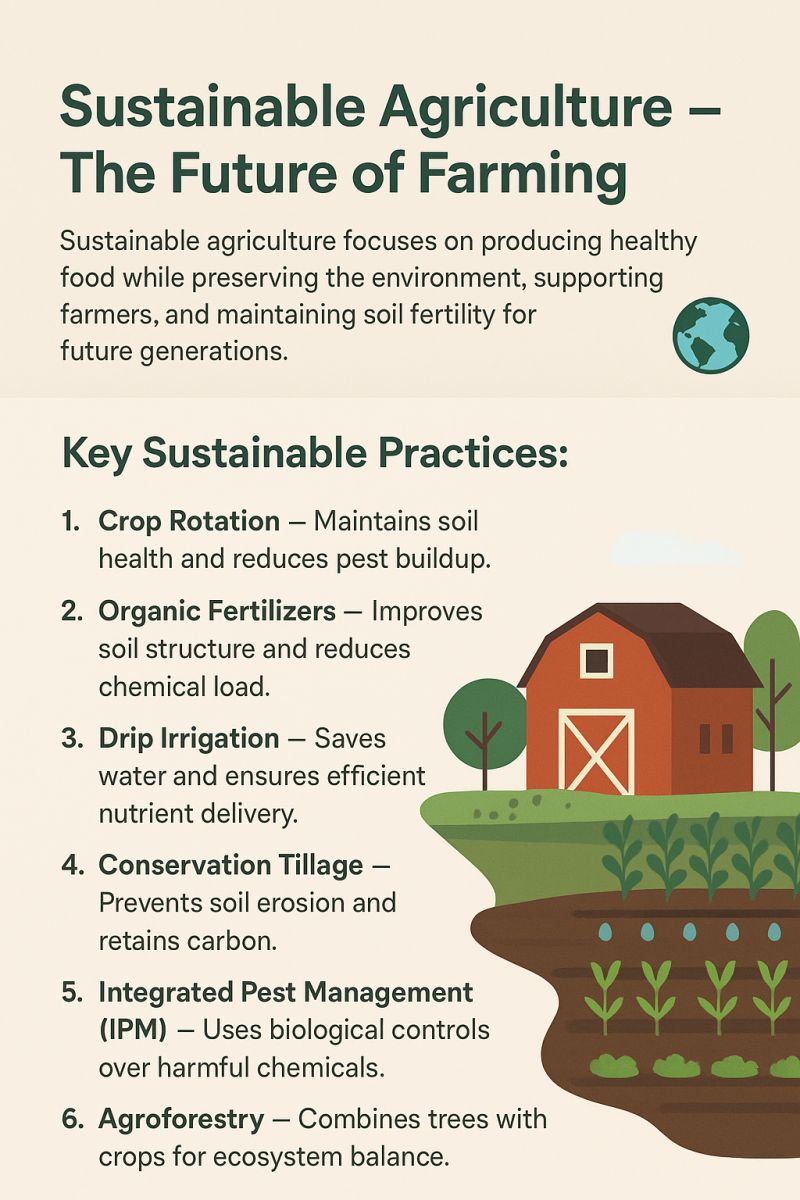
The Importance of Sustainable Agriculture Practices
Sustainable agriculture practices play a crucial role in ensuring the long-term health and productivity of our planet. By adopting environmentally friendly techniques, farmers can protect natural resources, reduce waste, and promote biodiversity. Here are four sustainable agriculture practices that are making a positive impact:
Crop Rotation
Crop rotation is a traditional farming practice that involves planting different crops in the same field over successive seasons. This method helps improve soil fertility, control pests and diseases, and reduce the need for chemical fertilisers. By rotating crops, farmers can maintain soil health and productivity while minimising environmental impact.
Cover Cropping
Cover cropping involves planting specific crops during off-season periods to cover and protect the soil. These cover crops help prevent erosion, suppress weeds, improve soil structure, and enhance nutrient cycling. By keeping the soil covered year-round, farmers can reduce erosion, conserve water, and promote soil health.
Integrated Pest Management (IPM)
Integrated Pest Management is an eco-friendly approach to pest control that focuses on using a combination of biological, cultural, and mechanical methods to manage pests effectively. By minimising reliance on chemical pesticides, IPM helps preserve beneficial insects, reduce pesticide residues in food products, and protect the environment from harmful chemicals.
Agroforestry
Agroforestry combines agriculture and forestry practices to create sustainable land-use systems that benefit both farmers and the environment. By integrating trees with crops or livestock production, agroforestry systems improve soil fertility, enhance biodiversity, sequester carbon, provide shade for crops or animals, and generate additional sources of income for farmers.
Embracing these sustainable agriculture practices is essential for building resilient farming systems that can adapt to changing environmental conditions while ensuring food security for future generations. By prioritising sustainability in agriculture, we can protect our natural resources and create a healthier planet for all.
Enhancing Sustainability: 8 Tips for Practising Crop Rotation, Conservation Tillage, Water Management, and Agroforestry in Agriculture
- Crop Rotation
- Rotate crops to improve soil fertility and reduce pests and diseases.
- Plant legumes like peas or beans to fix nitrogen in the soil naturally.
- Conservation Tillage
- Reduce soil erosion by practicing minimal tillage techniques.
- Water Management
- Implement drip irrigation systems to conserve water and reduce wastage.
- Agroforestry
Crop Rotation
Crop rotation is a fundamental sustainable agriculture practice that involves alternating the types of crops grown in a specific area over different seasons. By diversifying the plant species cultivated in the same field, farmers can enhance soil fertility, reduce pest and disease pressure, and minimise the depletion of nutrients. Crop rotation also helps break pest cycles and improve overall soil health, contributing to long-term sustainability in agricultural production.
Rotate crops to improve soil fertility and reduce pests and diseases.
Rotating crops is a fundamental sustainable agriculture practice that offers multiple benefits to farmers and the environment. By alternating the types of crops grown in the same field seasonally, farmers can enhance soil fertility, as different plants have varying nutrient requirements and contributions to the soil. Additionally, crop rotation helps break pest and disease cycles, reducing the reliance on chemical pesticides and promoting natural pest control methods. This practice not only improves soil health but also contributes to sustainable farming by minimising environmental impact and supporting long-term agricultural productivity.
Plant legumes like peas or beans to fix nitrogen in the soil naturally.
Planting legumes such as peas or beans is a valuable sustainable agriculture practice that helps improve soil fertility naturally. Legumes have the unique ability to fix nitrogen from the atmosphere into the soil through symbiotic relationships with nitrogen-fixing bacteria in their root nodules. By incorporating legumes into crop rotations, farmers can reduce the need for synthetic fertilisers, enhance soil health, and promote sustainable farming methods. This practice not only benefits the current crop but also enriches the soil for future plantings, contributing to a more eco-friendly and productive agricultural system.
Conservation Tillage
Conservation tillage is a sustainable agriculture practice that involves minimising soil disturbance during planting and cultivation. By reducing or eliminating traditional tillage methods, such as ploughing, conservation tillage helps preserve soil structure, prevent erosion, and retain moisture. This practice promotes soil health by maintaining organic matter and beneficial soil organisms, ultimately improving crop yields and reducing the need for chemical inputs. Conservation tillage also contributes to mitigating climate change by sequestering carbon in the soil and reducing greenhouse gas emissions associated with conventional tillage practices.
Reduce soil erosion by practicing minimal tillage techniques.
One effective tip for promoting sustainable agriculture practices is to reduce soil erosion by implementing minimal tillage techniques. By minimising the disturbance of the soil through reduced tillage or no-till methods, farmers can preserve soil structure, prevent erosion, and retain moisture levels. This approach helps maintain soil health, promote biodiversity, and reduce the carbon footprint of farming operations. By adopting minimal tillage techniques, farmers can contribute to sustainable land management practices and protect valuable natural resources for future generations.
Water Management
Effective water management is a key component of sustainable agriculture practices. By implementing water-saving techniques such as drip irrigation, rainwater harvesting, and mulching, farmers can conserve water resources, reduce water wastage, and improve crop yields. Proper water management not only helps farmers adapt to changing climate conditions but also promotes soil health and biodiversity. By prioritising sustainable water practices, farmers can ensure the long-term viability of their agricultural operations while minimising environmental impact.
Implement drip irrigation systems to conserve water and reduce wastage.
Implementing drip irrigation systems is a key sustainable agriculture practice that can significantly benefit both farmers and the environment. By using drip irrigation, farmers can deliver water directly to the roots of plants, reducing water wastage through evaporation and runoff. This efficient watering method not only conserves precious water resources but also promotes healthier plant growth by ensuring that crops receive the right amount of moisture. By adopting drip irrigation systems, farmers can enhance crop yields, minimise water usage, and contribute to sustainable agricultural practices that support long-term environmental stewardship.
Agroforestry
Agroforestry is a sustainable agriculture practice that integrates trees with crops or livestock production to create diverse and resilient farming systems. By combining trees with agricultural activities, agroforestry helps improve soil fertility, enhance biodiversity, sequester carbon, provide shade for crops or animals, and offer additional sources of income for farmers. This holistic approach not only promotes environmental sustainability but also contributes to increased productivity and long-term viability of agricultural landscapes.