
The Importance of Sustainable Water Use in Agriculture
Water is a precious resource essential for agriculture, and with the increasing global demand for food, the sustainable use of water in farming practices has become more critical than ever. Sustainable water management in agriculture involves implementing strategies that ensure efficient water usage while preserving water quality and availability for future generations.
Challenges Faced
One of the main challenges in agriculture is the overuse and wastage of water. Traditional irrigation methods such as flood irrigation can lead to significant water loss through evaporation and runoff. Climate change also poses a threat to water resources, with changing weather patterns affecting rainfall distribution and increasing the frequency of droughts.
Sustainable Solutions
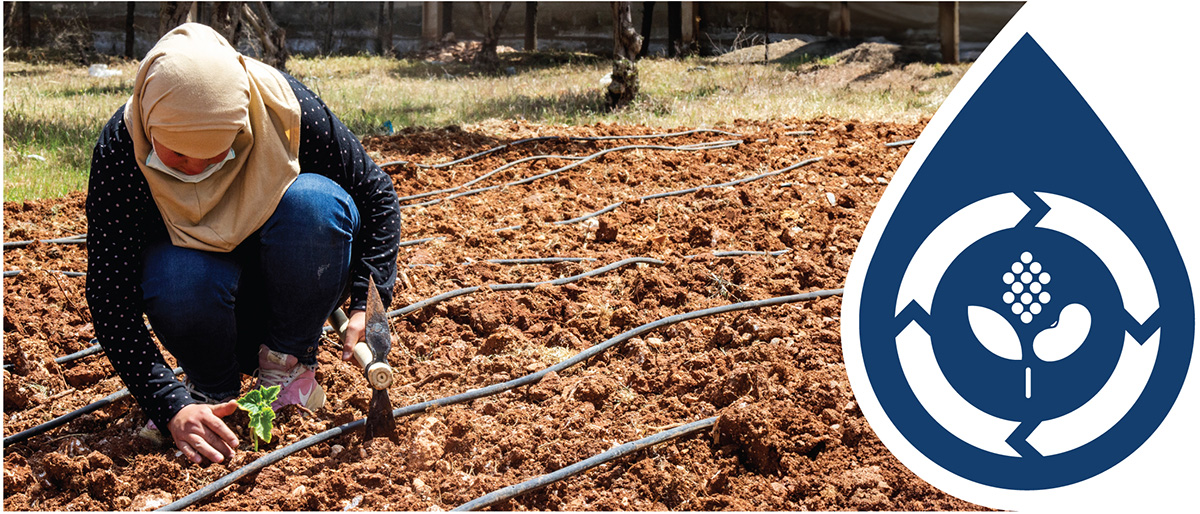
To address these challenges, farmers are adopting sustainable practices to optimise water use. Drip irrigation systems deliver water directly to plant roots, minimising wastage and improving efficiency. Rainwater harvesting techniques allow farmers to capture and store rainwater for later use during dry periods.
Benefits of Sustainable Water Use
Implementing sustainable water management practices offers numerous benefits to both farmers and the environment. By using water more efficiently, farmers can reduce their operational costs and increase crop yields. Preserving water resources also helps protect ecosystems, maintain biodiversity, and mitigate the impact of climate change.
Conclusion
In conclusion, sustainable water use in agriculture is crucial for ensuring food security, environmental sustainability, and economic viability. By adopting innovative technologies and best practices, farmers can contribute to a more resilient agricultural sector that meets the needs of present and future generations while safeguarding our planet’s most valuable resource – water.
Seven Essential Tips for Sustainable Water Management in Agriculture
- Implement drip irrigation systems to deliver water directly to the roots of plants, reducing wastage.
- Use mulching techniques to retain soil moisture and reduce evaporation.
- Collect rainwater for irrigation purposes to reduce dependency on mains water sources.
- Rotate crops to improve soil health and water retention capacity.
- Monitor soil moisture levels regularly to avoid overwatering crops.
- Employ agroforestry practices to create a more sustainable water cycle on agricultural land.
- Utilize cover cropping techniques to prevent soil erosion and enhance water infiltration into the ground.
Implement drip irrigation systems to deliver water directly to the roots of plants, reducing wastage.
Implementing drip irrigation systems in agriculture is a sustainable practice that can significantly improve water efficiency. By delivering water directly to the roots of plants, this method minimises wastage through evaporation and runoff. Drip irrigation helps ensure that plants receive the necessary moisture while conserving water resources effectively. This efficient watering technique not only benefits crop growth but also contributes to sustainable water management in agriculture, promoting environmental conservation and resource sustainability.
Use mulching techniques to retain soil moisture and reduce evaporation.
Using mulching techniques is a practical tip for promoting sustainable water use in agriculture. By applying a layer of mulch to the soil surface, farmers can effectively retain moisture, suppress weed growth, and reduce evaporation rates. Mulching acts as a protective barrier that helps to conserve water within the soil, allowing plants to access moisture more efficiently. This simple yet effective method not only supports plant growth but also contributes to water conservation efforts, making it an essential practice for sustainable farming.
Collect rainwater for irrigation purposes to reduce dependency on mains water sources.
Collecting rainwater for irrigation purposes is a smart and sustainable practice that can help reduce the reliance on mains water sources in agriculture. By harnessing rainwater through systems like rainwater harvesting, farmers can utilise a natural and abundant resource to water their crops, decreasing the demand on freshwater supplies. This approach not only promotes water conservation but also contributes to more efficient and eco-friendly farming practices, ultimately supporting the long-term sustainability of agricultural operations.
Rotate crops to improve soil health and water retention capacity.
Rotating crops is a sustainable agricultural practice that offers multiple benefits, including enhancing soil health and improving water retention capacity. By alternating different crops in a specific sequence, farmers can prevent soil depletion, reduce the build-up of pests and diseases, and promote nutrient diversity in the soil. This crop rotation method helps improve the soil’s structure, allowing it to better retain water and nutrients, ultimately leading to more resilient and productive farmland.
Monitor soil moisture levels regularly to avoid overwatering crops.
Monitoring soil moisture levels regularly is a key tip for promoting sustainable water use in agriculture. By keeping track of the moisture content in the soil, farmers can avoid overwatering crops, which not only wastes water but can also lead to nutrient leaching and root rot. Adjusting irrigation practices based on actual soil moisture levels ensures that crops receive just the right amount of water they need, promoting efficient water use and healthier plant growth. This simple yet effective strategy helps farmers conserve water resources while optimising crop production sustainably.
Employ agroforestry practices to create a more sustainable water cycle on agricultural land.
Employing agroforestry practices is a valuable tip for enhancing the sustainable use of water in agriculture. By integrating trees and shrubs into agricultural landscapes, farmers can promote a more balanced water cycle. The roots of trees help improve soil structure, reducing erosion and enhancing water retention capacity. Additionally, the canopy of trees provides shade, reducing evaporation rates and maintaining soil moisture levels. Agroforestry not only supports sustainable water management but also contributes to biodiversity conservation and overall ecosystem health on agricultural land.
Utilize cover cropping techniques to prevent soil erosion and enhance water infiltration into the ground.
Utilising cover cropping techniques is a valuable strategy for promoting sustainable water use in agriculture. By planting cover crops, farmers can effectively prevent soil erosion and improve water infiltration into the ground. The dense root systems of cover crops help bind the soil, reducing runoff and preserving moisture within the soil profile. This not only protects valuable topsoil but also enhances the soil’s ability to absorb and retain water, ultimately promoting more efficient water usage and contributing to long-term agricultural sustainability.