
The Importance of Vocational Agriculture
Vocational agriculture plays a crucial role in preparing individuals for careers in the agricultural industry. It encompasses a wide range of practical skills and knowledge that are essential for success in this field. From farming techniques to agribusiness management, vocational agriculture equips students with the tools they need to thrive in a rapidly evolving sector.
Hands-On Learning
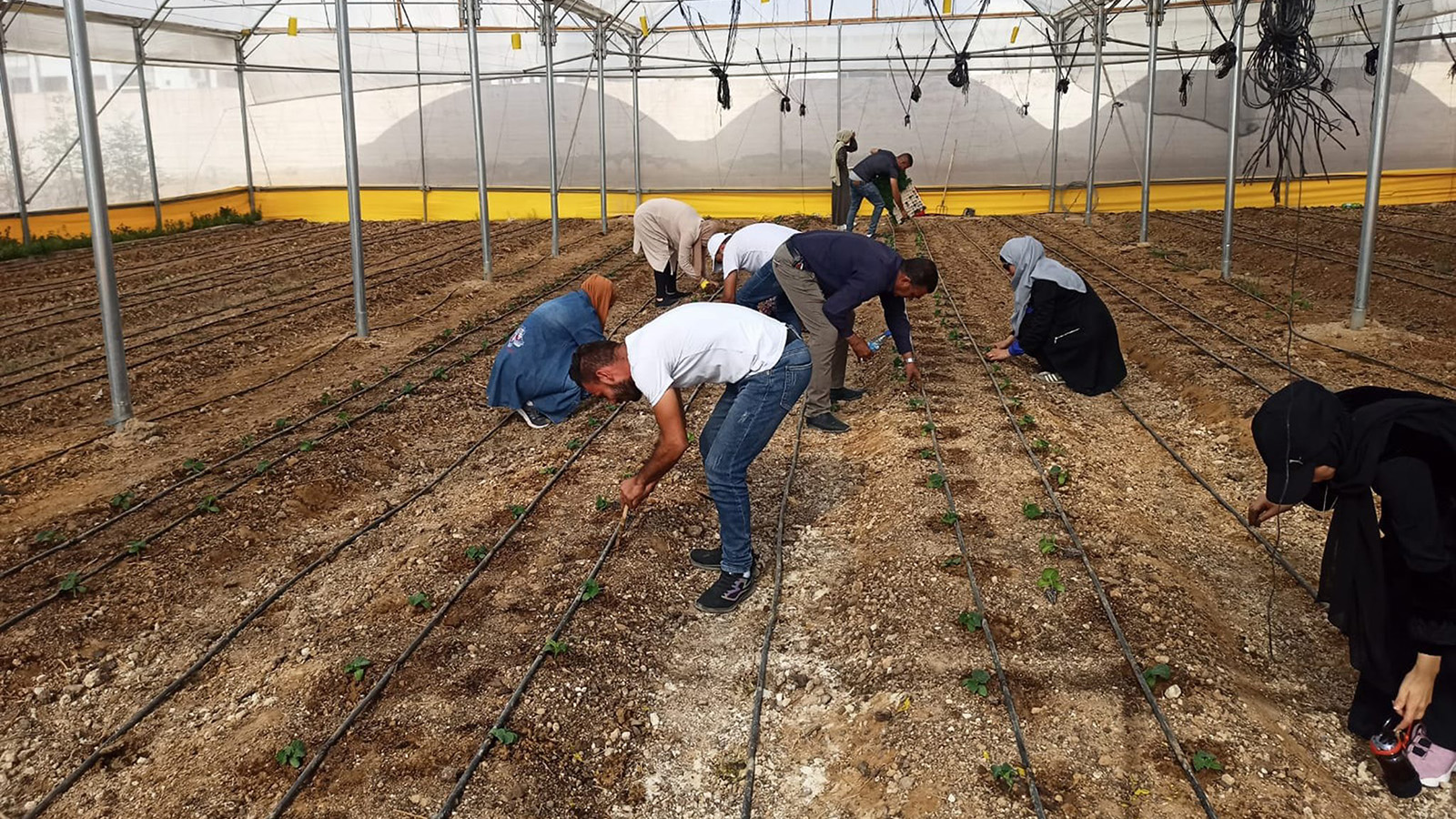
One of the key aspects of vocational agriculture is its emphasis on hands-on learning. Students have the opportunity to work directly with plants, animals, and agricultural machinery, gaining valuable experience that cannot be replicated in a traditional classroom setting. This practical approach not only helps students develop technical skills but also fosters a deeper understanding and appreciation for the agricultural process.
Career Opportunities
By studying vocational agriculture, individuals can explore a wide range of career opportunities within the agricultural industry. Whether they are interested in crop production, livestock management, agricultural engineering, or agribusiness marketing, vocational agriculture provides the foundation needed to pursue these diverse paths. As the demand for skilled professionals in agriculture continues to grow, vocational training becomes increasingly valuable in securing rewarding career prospects.
Sustainability and Innovation
Vocational agriculture also plays a vital role in promoting sustainability and innovation within the agricultural sector. Through training programmes focused on environmental stewardship, resource conservation, and sustainable farming practices, students learn how to address pressing issues such as food security and climate change. By integrating cutting-edge technologies and research into their curriculum, vocational agriculture programmes help drive innovation and progress in agriculture.
Community Impact
Furthermore, vocational agriculture has a significant impact on local communities by supporting economic development and food production. By equipping individuals with the skills needed to manage farms efficiently and sustainably, vocational agriculture contributes to local food systems and strengthens rural economies. Additionally, vocational agriculture fosters a sense of community among farmers and agricultural professionals, creating networks that promote collaboration and knowledge sharing.
In conclusion, vocational agriculture is an invaluable educational pathway that prepares individuals for successful careers in the agricultural industry while promoting sustainability, innovation, and community development. By investing in vocational agriculture training programmes, we can ensure a bright future for both aspiring farmers and the broader agricultural sector.
Top 5 Tips for Excelling in Vocational Agriculture
- Choose a specific area of interest within vocational agriculture, such as animal husbandry or crop production.
- Gain practical experience through internships or volunteering on farms to enhance your skills and knowledge.
- Stay updated on the latest trends and technologies in agriculture by attending workshops, seminars, and conferences.
- Develop good communication and networking skills to build relationships with industry professionals and potential employers.
- Consider furthering your education with specialised courses or certifications to advance your career in vocational agriculture.
Choose a specific area of interest within vocational agriculture, such as animal husbandry or crop production.
When pursuing vocational agriculture, it is beneficial to select a specific area of interest to focus on, such as animal husbandry or crop production. By honing in on a particular aspect of agriculture, individuals can deepen their knowledge and skills in that specialised field. Specialising in animal husbandry allows for a comprehensive understanding of livestock care, breeding practices, and health management, while focusing on crop production involves mastering techniques for cultivating crops, managing soil health, and maximising yields. Choosing a specific area of interest within vocational agriculture not only provides a clear direction for career development but also enables individuals to become experts in their chosen field, contributing meaningfully to the agricultural industry.
Gain practical experience through internships or volunteering on farms to enhance your skills and knowledge.
To enhance your skills and knowledge in vocational agriculture, it is highly beneficial to gain practical experience through internships or volunteering on farms. By actively participating in farm activities, you can apply theoretical concepts learned in the classroom to real-world scenarios, gaining valuable hands-on experience. Internships and volunteering opportunities provide a platform to develop practical skills in areas such as crop cultivation, livestock management, and agricultural machinery operation. Additionally, working directly with experienced farmers allows you to learn best practices, problem-solving techniques, and industry insights that can significantly enrich your understanding of agricultural practices.
Stay updated on the latest trends and technologies in agriculture by attending workshops, seminars, and conferences.
Staying updated on the latest trends and technologies in agriculture is essential for success in the field of vocational agriculture. By attending workshops, seminars, and conferences, individuals can gain valuable insights into innovative farming practices, emerging technologies, and industry developments. These events provide a platform for learning from experts, networking with peers, and staying informed about advancements that can enhance productivity and sustainability in agriculture. Keeping abreast of current trends ensures that vocational agriculture professionals are well-equipped to adapt to changing landscapes and drive progress within the industry.
Develop good communication and networking skills to build relationships with industry professionals and potential employers.
Developing good communication and networking skills is essential in vocational agriculture as it enables individuals to establish meaningful connections with industry professionals and potential employers. By honing these skills, students and aspiring professionals can effectively convey their knowledge, passion, and capabilities within the agricultural sector. Building strong relationships through communication and networking not only opens up opportunities for mentorship and collaboration but also increases the likelihood of securing rewarding career prospects in various agricultural fields. Emphasising these skills in vocational agriculture training empowers individuals to navigate the industry landscape with confidence and forge valuable partnerships that can contribute to their long-term success.
Consider furthering your education with specialised courses or certifications to advance your career in vocational agriculture.
Consider furthering your education with specialised courses or certifications to advance your career in vocational agriculture. By pursuing additional training in specific areas such as precision farming, agribusiness management, or sustainable agriculture practices, you can enhance your skills and knowledge to stay competitive in the evolving agricultural industry. Specialised courses and certifications not only demonstrate your commitment to professional development but also equip you with the expertise needed to excel in various roles within the agricultural sector. Investing in continuous learning through targeted programmes can open up new opportunities and help you achieve long-term success in vocational agriculture.