
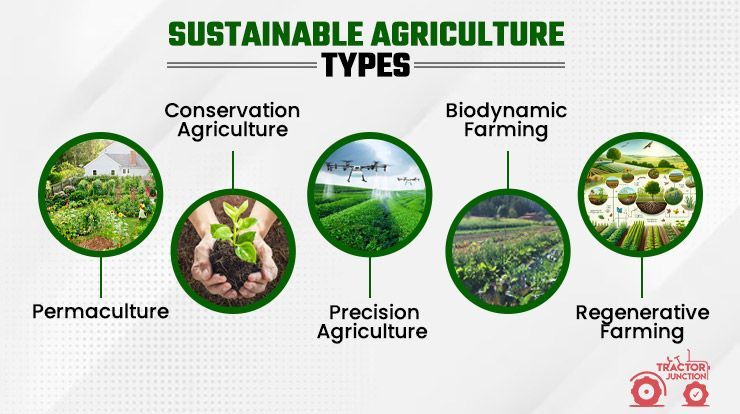
The Future of Agriculture: Precision Sustainable Farming
In recent years, the agricultural industry has been undergoing a significant transformation towards more sustainable practices. One of the key advancements in this movement is precision sustainable agriculture. This innovative approach combines cutting-edge technology with environmentally friendly farming methods to maximise efficiency and minimise environmental impact.
What is Precision Sustainable Agriculture?
Precision sustainable agriculture involves using data-driven technologies such as drones, sensors, and GPS mapping to optimise various aspects of farming operations. By collecting real-time data on soil conditions, crop health, weather patterns, and more, farmers can make informed decisions to enhance productivity while reducing resource wastage.
The Benefits of Precision Sustainable Farming
There are numerous benefits associated with precision sustainable agriculture. By precisely targeting inputs such as water, fertilisers, and pesticides based on actual crop needs, farmers can significantly reduce their environmental footprint. This approach not only conserves resources but also minimises pollution and soil degradation.
Furthermore, precision sustainable farming can lead to increased yields and improved crop quality. By optimising planting density, irrigation schedules, and pest management strategies, farmers can maximise their output while minimising costs. This not only benefits the environment but also enhances profitability for farmers.
The Role of Technology in Precision Sustainable Agriculture
Technology plays a crucial role in enabling precision sustainable agriculture. Advanced tools such as automated machinery, remote monitoring systems, and predictive analytics software empower farmers to make data-driven decisions in real time. These technologies help streamline operations, improve efficiency, and ensure sustainability across the entire farming process.
The Future Outlook
As the global population continues to grow and environmental concerns become more pressing, the adoption of precision sustainable agriculture is likely to increase. By harnessing the power of technology and sustainability principles, farmers can meet the growing demand for food while safeguarding natural resources for future generations.
In conclusion, precision sustainable agriculture represents a promising future for the agricultural industry. By embracing innovation and sustainability hand in hand, farmers can cultivate a more resilient and environmentally conscious food system that benefits both people and the planet.
Precision Sustainable Agriculture: Enhancing Efficiency, Reducing Impact, and Ensuring Long-Term Productivity
- Optimises resource use for efficient farming practices
- Reduces environmental impact by minimising chemical usage
- Enhances crop yields and improves overall farm productivity
- Employs data-driven technologies for informed decision-making
- Promotes soil health and biodiversity conservation
- Contributes to long-term sustainability of agriculture and food production
Challenges of Precision Sustainable Agriculture: Barriers for Small-Scale Farmers and Data Privacy Concerns
- High initial investment in technology and equipment may be a barrier for small-scale farmers.
- Complexity of data interpretation and management can be challenging for farmers without technical expertise.
- Dependence on technology increases vulnerability to system failures or malfunctions.
- Privacy concerns arise from the collection and sharing of sensitive farm data with third-party providers.
- Transitioning to precision sustainable agriculture may require significant training and adjustment period for traditional farmers.
Optimises resource use for efficient farming practices
Precision sustainable agriculture offers a significant advantage by optimising resource use for efficient farming practices. By leveraging data-driven technologies and real-time monitoring systems, farmers can precisely tailor their resource inputs such as water, fertilisers, and pesticides to match the specific needs of their crops. This targeted approach not only minimises waste but also maximises the effectiveness of resources, leading to improved productivity and cost savings. Overall, optimising resource use through precision sustainable agriculture ensures that farming practices are not only more efficient but also environmentally sustainable in the long term.
Reduces environmental impact by minimising chemical usage
Precision sustainable agriculture offers a significant advantage by reducing environmental impact through the minimisation of chemical usage. By leveraging data-driven technologies to precisely target the application of fertilisers, pesticides, and other chemicals based on actual crop needs, farmers can minimise the overall use of these substances. This targeted approach not only helps preserve soil health and biodiversity but also reduces pollution runoff into water sources. Ultimately, by minimising chemical usage, precision sustainable agriculture promotes a healthier ecosystem and contributes to a more sustainable farming environment for future generations.
Enhances crop yields and improves overall farm productivity
Precision sustainable agriculture offers a significant advantage by enhancing crop yields and improving overall farm productivity. By utilising data-driven technologies and targeted farming practices, farmers can optimise planting density, irrigation schedules, and pest management strategies to maximise output while minimising resource wastage. This results in increased efficiency, higher quality crops, and ultimately improved profitability for farmers. By adopting precision sustainable agriculture methods, farmers can achieve higher yields in a more sustainable and environmentally friendly manner, contributing to the long-term success of their operations.
Employs data-driven technologies for informed decision-making
Precision sustainable agriculture leverages data-driven technologies to enable informed decision-making in farming practices. By collecting and analysing real-time data on soil conditions, crop health, weather patterns, and other relevant factors, farmers can make strategic decisions that optimise resource use and enhance productivity. This proactive approach allows farmers to adjust their practices based on accurate information, leading to more efficient operations and sustainable outcomes. Embracing data-driven technologies empowers farmers to make smarter choices that benefit both their agricultural productivity and the environment.
Promotes soil health and biodiversity conservation
Precision sustainable agriculture offers a significant advantage in promoting soil health and biodiversity conservation. By using data-driven technologies to precisely manage inputs such as fertilisers and pesticides, farmers can minimise soil erosion, nutrient depletion, and chemical runoff. This targeted approach not only enhances the overall health of the soil but also creates a more conducive environment for diverse plant and animal species to thrive. As a result, precision sustainable agriculture contributes to preserving ecosystems, supporting pollinators, and fostering a healthier balance within agricultural landscapes.
Contributes to long-term sustainability of agriculture and food production
Precision sustainable agriculture plays a pivotal role in ensuring the long-term sustainability of agriculture and food production. By leveraging data-driven technologies and environmentally friendly practices, precision farming helps farmers optimise resource use, minimise waste, and enhance productivity. This proactive approach not only preserves natural resources for future generations but also promotes a more resilient and efficient food system. Through precision sustainable agriculture, we can work towards safeguarding the environment, improving food security, and fostering a sustainable future for agriculture.
High initial investment in technology and equipment may be a barrier for small-scale farmers.
One significant drawback of precision sustainable agriculture is the high initial investment required for technology and equipment, which can pose a barrier for small-scale farmers. Implementing precision farming practices often involves purchasing expensive tools such as drones, sensors, GPS devices, and data analytics software. For small-scale farmers with limited financial resources, the upfront cost of adopting these technologies can be prohibitive and challenging to justify. This disparity in access to advanced agricultural technology may widen the divide between large-scale industrial farms and smaller operations, potentially limiting the adoption of sustainable practices among smaller farmers.
Complexity of data interpretation and management can be challenging for farmers without technical expertise.
The complexity of data interpretation and management poses a significant challenge for farmers who lack technical expertise in precision sustainable agriculture. With the reliance on advanced technologies and data-driven decision-making processes, farmers may struggle to effectively interpret and utilise the vast amount of data generated. Without the necessary technical skills and knowledge, navigating through complex data sets and implementing appropriate strategies based on insights can be daunting. This barrier highlights the importance of providing training and support to farmers to enhance their digital literacy and ensure successful adoption of precision sustainable farming practices.
Dependence on technology increases vulnerability to system failures or malfunctions.
Dependence on technology in precision sustainable agriculture can pose a significant challenge as it increases vulnerability to system failures or malfunctions. In an industry where operations are heavily reliant on data-driven technologies and automated tools, any disruptions in these systems can have a cascading effect on farming activities. From sensor malfunctions to software glitches, the potential for technical issues can jeopardise critical decision-making processes and lead to suboptimal outcomes. Farmers must be prepared to address these vulnerabilities by implementing robust backup plans and investing in contingency measures to mitigate the risks associated with technological dependencies.
Privacy concerns arise from the collection and sharing of sensitive farm data with third-party providers.
Privacy concerns arise from the collection and sharing of sensitive farm data with third-party providers in precision sustainable agriculture. Farmers may be apprehensive about the potential risks associated with sharing confidential information about their operations, such as crop yields, soil composition, and resource usage. The fear of data breaches or misuse by external parties can hinder farmers’ willingness to adopt advanced technologies that rely on data sharing for optimal decision-making. Addressing these privacy concerns is crucial to building trust within the agricultural community and ensuring that farmers feel secure in leveraging precision sustainable practices for long-term success.
Transitioning to precision sustainable agriculture may require significant training and adjustment period for traditional farmers.
Transitioning to precision sustainable agriculture may pose a challenge for traditional farmers due to the need for significant training and adjustment. Embracing new technologies and data-driven practices can be daunting for those accustomed to conventional farming methods. The shift towards precision agriculture requires learning how to use advanced tools such as drones, sensors, and analytics software, as well as understanding complex data sets. Additionally, adapting to a more precise and targeted approach to farming may require farmers to re-evaluate their existing practices and workflows. Despite these hurdles, providing adequate training and support can help traditional farmers successfully navigate the transition towards a more sustainable and efficient agricultural model.