
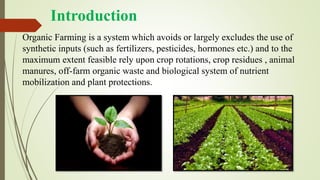
The Importance of Sustainable Development in Organic Farming
Organic farming is not just a trend; it is a sustainable approach to agriculture that prioritises the health of the environment, consumers, and farmers. Sustainable development plays a crucial role in ensuring the long-term viability of organic farming practices.
Environmental Benefits
One of the key aspects of sustainable development in organic farming is its positive impact on the environment. By avoiding synthetic pesticides and fertilisers, organic farmers help protect soil health, promote biodiversity, and reduce water pollution. Sustainable practices such as crop rotation, composting, and natural pest control methods contribute to healthier ecosystems and mitigate climate change.
Social and Economic Advantages
Sustainable development in organic farming also brings social and economic benefits. By supporting local communities and small-scale farmers, organic agriculture fosters rural development and food security. Fair trade practices ensure that farmers receive a fair price for their produce, promoting social equity and improving livelihoods.
Long-Term Viability
Investing in sustainable development within organic farming is essential for its long-term viability. By preserving natural resources, reducing greenhouse gas emissions, and promoting resilient agricultural systems, we can ensure that future generations have access to healthy food while safeguarding the planet.
Consumer Awareness
Consumer awareness about sustainable development in organic farming is also crucial. By choosing organic products that are certified by reputable organisations, consumers can support environmentally friendly practices and encourage more farmers to adopt sustainable approaches to agriculture.
Conclusion
Sustainable development is at the core of organic farming’s philosophy. By prioritising environmental protection, social responsibility, and economic viability, we can create a more sustainable food system that benefits both people and the planet. Embracing sustainable practices in organic farming is not just an option; it is a necessity for building a better future for all.
Exploring Sustainable Development through Organic Farming: Key Questions and Insights
- What is organic farming and how does it contribute to sustainable development?
- What are the environmental benefits of practising sustainable development in organic farming?
- How does organic farming support social and economic sustainability?
- What are some common sustainable practices used in organic farming?
- How can consumers promote sustainable development in organic agriculture?
What is organic farming and how does it contribute to sustainable development?
Organic farming is a holistic approach to agriculture that prioritises natural and sustainable practices over synthetic inputs. It involves cultivating crops and raising livestock without the use of synthetic pesticides, fertilisers, or genetically modified organisms. Organic farming contributes to sustainable development by promoting soil health, biodiversity conservation, and water quality protection. By adopting methods such as crop rotation, composting, and biological pest control, organic farmers enhance the resilience of ecosystems and reduce their environmental footprint. Additionally, organic farming supports local communities, promotes fair trade practices, and ensures the long-term viability of agricultural systems. Overall, organic farming plays a crucial role in sustainable development by providing a model for environmentally friendly and socially responsible food production.
What are the environmental benefits of practising sustainable development in organic farming?
Practising sustainable development in organic farming offers a wide array of environmental benefits. By eschewing synthetic pesticides and fertilisers, organic farmers help preserve soil health, promote biodiversity, and reduce water pollution. Techniques such as crop rotation, composting, and natural pest control methods not only contribute to healthier ecosystems but also play a vital role in mitigating climate change. Overall, sustainable development in organic farming fosters a harmonious relationship between agriculture and the environment, ensuring the long-term health and vitality of our planet’s natural resources.
How does organic farming support social and economic sustainability?
Organic farming plays a vital role in supporting social and economic sustainability through various means. Firstly, organic farming promotes fair trade practices, ensuring that farmers receive a fair price for their produce. This helps improve livelihoods and supports local communities, contributing to social equity and rural development. Additionally, organic agriculture fosters food security by prioritising sustainable practices that enhance soil health and biodiversity. By investing in organic farming, we not only promote environmental conservation but also create economic opportunities for small-scale farmers while ensuring a healthier food system for all.
What are some common sustainable practices used in organic farming?
In organic farming, several common sustainable practices are employed to promote environmental health and long-term viability. These practices include crop rotation, which helps maintain soil fertility and reduce pest pressure naturally. Composting is another essential practice that enriches the soil with organic matter, improving its structure and nutrient content. Additionally, natural pest control methods such as beneficial insects, trap crops, and companion planting are widely used to manage pests without relying on synthetic chemicals. Water conservation techniques like drip irrigation and rainwater harvesting help minimise water usage and promote efficient resource management in organic farming systems. Overall, these sustainable practices play a vital role in enhancing the sustainability of organic farming while protecting the environment and supporting biodiversity.
How can consumers promote sustainable development in organic agriculture?
Consumers play a crucial role in promoting sustainable development in organic agriculture through their purchasing choices and support for environmentally friendly practices. By opting for organic products that are certified by reputable organisations, consumers can directly contribute to the demand for sustainable farming methods. Additionally, choosing locally grown organic produce reduces carbon emissions associated with transportation and supports small-scale farmers in their efforts towards sustainability. By staying informed about sustainable agriculture practices and advocating for transparency in food production, consumers can empower themselves to make conscious decisions that positively impact the environment and promote a more sustainable food system.