
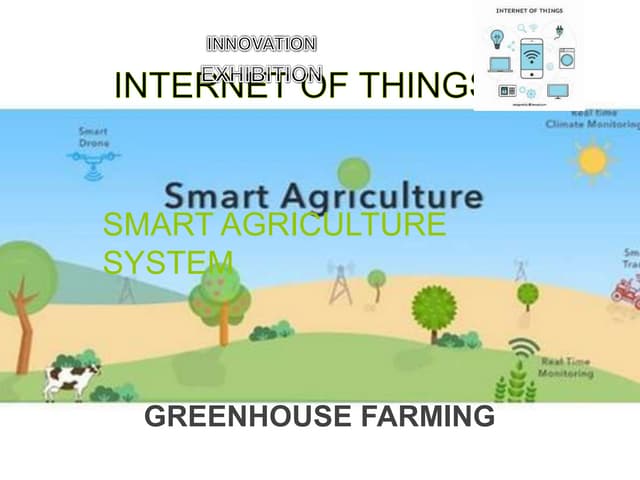
Smart Farming: The Future of Agriculture
The world of agriculture is undergoing a profound transformation with the advent of smart farming technologies. As global populations continue to rise and environmental challenges become more pressing, the need for efficient and sustainable agricultural practices has never been more critical. Smart farming, also known as precision agriculture, represents a revolutionary approach that leverages technology to enhance productivity and sustainability in agriculture.
What is Smart Farming?
Smart farming involves the integration of advanced technologies such as the Internet of Things (IoT), artificial intelligence (AI), big data analytics, and robotics into traditional agricultural practices. These technologies enable farmers to monitor their crops and livestock more closely, optimise resource use, and make data-driven decisions.
Key Components of Smart Farming
- Sensors: Sensors are used to collect real-time data on soil conditions, weather patterns, crop health, and livestock activity. This data helps farmers make informed decisions about irrigation, fertilisation, and pest control.
- Drones: Drones provide aerial views of fields, allowing for precise monitoring of crop growth and health. They can also be used for targeted application of pesticides or fertilisers.
- Automated Machinery: Robotics and automated machinery help reduce labour costs and increase efficiency in planting, harvesting, and other farm operations.
- Data Analytics: Big data analytics processes vast amounts of information to identify patterns and trends that can improve yield predictions and resource management.
- IoT Devices: IoT devices connect various components on a farm to create a cohesive system that provides comprehensive insights into all aspects of agricultural production.
The Benefits of Smart Farming
The implementation of smart farming techniques offers numerous benefits:
- Increased Efficiency: By optimising resource use such as water, fertilisers, and energy, smart farming reduces waste and lowers costs.
- Sustainability: Precision agriculture promotes environmentally friendly practices by minimising chemical usage and conserving natural resources.
- Higher Yields: With precise monitoring and management strategies, farmers can achieve higher crop yields while maintaining quality.
- Pest Management: Early detection systems allow for timely interventions in pest control without resorting to excessive pesticide use.
- Labour Savings: Automation reduces the reliance on manual labour while increasing productivity across various tasks on the farm.
The Future Outlook
The future of agriculture lies in embracing these smart technologies. As the industry continues to evolve with technological advancements, farmers will be better equipped to tackle global food security challenges while preserving environmental integrity. Educational initiatives focusing on digital literacy among farmers will be crucial in ensuring widespread adoption across different regions worldwide.
The development of comprehensive presentations or PowerPoint slides (PPT) showcasing these innovations can help spread awareness about smart farming’s potential impact globally. By highlighting success stories from early adopters alongside practical applications tailored for diverse climates or geographies—these presentations serve as valuable tools for promoting this transformative approach within both local communities & international forums alike!
Exploring Smart Farming: The Future of Agriculture Through Innovation and Technology
- What is smart farming and how does it contribute to the future of agriculture?
- What are the key technologies involved in smart farming for enhancing agricultural practices?
- How can smart farming improve efficiency and sustainability in agriculture?
- What are the potential benefits of incorporating IoT, AI, and data analytics in agricultural operations?
- How can farmers leverage drones and sensors for better crop monitoring and management?
What is smart farming and how does it contribute to the future of agriculture?
Smart farming, also known as precision agriculture, is a cutting-edge approach that harnesses advanced technologies to revolutionise traditional agricultural practices. By integrating tools such as sensors, drones, artificial intelligence, and data analytics, smart farming enables farmers to monitor their crops and livestock with unprecedented precision. This real-time data collection allows for informed decision-making on resource management, pest control, and crop health. The adoption of smart farming practices contributes significantly to the future of agriculture by enhancing efficiency, sustainability, and productivity. Through optimised resource utilisation, reduced environmental impact, and increased yields, smart farming plays a pivotal role in addressing global food security challenges while promoting eco-friendly agricultural practices for a more sustainable future.
What are the key technologies involved in smart farming for enhancing agricultural practices?
In exploring the frequently asked question about the key technologies involved in smart farming for enhancing agricultural practices, it becomes evident that a combination of advanced tools plays a crucial role in revolutionising traditional farming methods. Technologies such as sensors, drones, automated machinery, data analytics, and IoT devices are at the forefront of driving efficiency and sustainability in agriculture. These innovative solutions enable farmers to monitor and manage their crops and livestock with precision, make data-driven decisions, optimise resource utilisation, and ultimately improve productivity. By harnessing the power of these key technologies, smart farming is reshaping the future of agriculture by offering smarter, more sustainable solutions to address the challenges faced by modern farmers.
How can smart farming improve efficiency and sustainability in agriculture?
Smart farming holds the promise of significantly enhancing efficiency and sustainability in agriculture through the integration of advanced technologies. By utilising sensors to gather real-time data on soil conditions, weather patterns, crop health, and livestock activity, farmers can make informed decisions regarding resource management. This data-driven approach enables precise monitoring of crops and livestock, optimises irrigation and fertilisation practices, minimises waste, and reduces environmental impact. Automation through robotics and IoT devices streamlines farm operations, cutting labour costs while increasing productivity. By embracing smart farming techniques, farmers can achieve higher yields, promote sustainable practices, and contribute to a more efficient and environmentally friendly future for agriculture.
What are the potential benefits of incorporating IoT, AI, and data analytics in agricultural operations?
Incorporating IoT, AI, and data analytics into agricultural operations offers a multitude of potential benefits that can significantly enhance productivity and sustainability. IoT devices enable real-time monitoring of environmental conditions, crop health, and livestock activity, allowing for precise resource management and timely interventions. AI technologies facilitate predictive analytics and decision-making processes by analysing vast amounts of data to identify patterns and optimise farming practices. This leads to improved yield predictions, efficient pest control, and reduced waste through targeted application of water, fertilisers, and pesticides. Data analytics provides insights into market trends and consumer preferences, helping farmers make informed decisions about crop selection and marketing strategies. Overall, these technologies contribute to increased efficiency, reduced operational costs, enhanced environmental sustainability, and ultimately greater profitability for farmers.
How can farmers leverage drones and sensors for better crop monitoring and management?
In the realm of smart farming and the future of agriculture, farmers can harness the power of drones and sensors to revolutionise crop monitoring and management. Drones equipped with high-resolution cameras offer aerial views of fields, enabling farmers to detect crop health issues, monitor growth patterns, and identify areas requiring attention. Meanwhile, sensors embedded in the soil or attached to plants provide real-time data on moisture levels, nutrient content, and environmental conditions. By integrating insights from drones and sensors, farmers can make informed decisions about irrigation scheduling, fertiliser application, pest control measures, and overall crop management strategies. This proactive approach not only enhances productivity but also promotes sustainable farming practices by optimising resource usage and minimising environmental impact.