
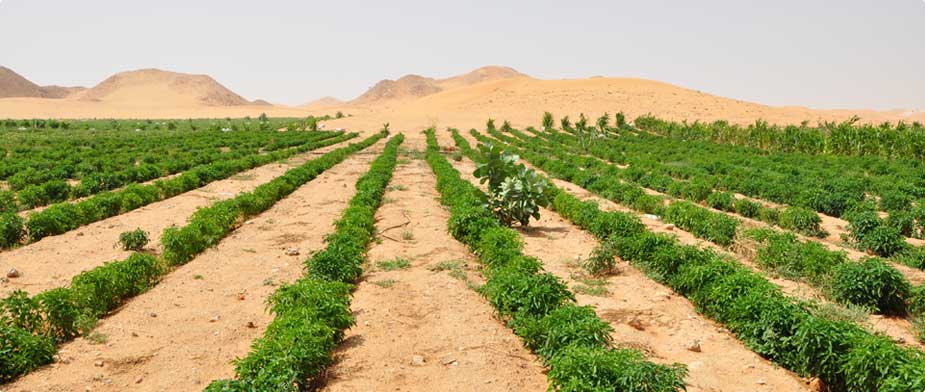
The Future of Agriculture: Sustainable Desert Farming
Deserts, often seen as barren and inhospitable landscapes, are now being transformed into fertile grounds for sustainable farming practices. Sustainable desert farming is revolutionising the way we produce food by utilising innovative techniques that maximise resources and minimise environmental impact.
Challenges of Desert Farming
Desert regions face unique challenges such as extreme temperatures, limited water supply, and poor soil quality. Traditional farming methods are often unsustainable in these harsh environments, leading to soil degradation and water scarcity.
Sustainable Solutions
Through sustainable desert farming practices, farmers are adopting methods that work in harmony with the environment. Techniques such as drip irrigation, hydroponics, and vertical farming allow for efficient water usage and optimal plant growth in arid conditions.
Benefits of Sustainable Desert Farming
Sustainable desert farming offers a range of benefits, including:
- Conservation of water resources through efficient irrigation systems
- Promotion of biodiversity by restoring degraded lands
- Reduction of carbon footprint through carbon sequestration in desert soils
- Creation of local employment opportunities in rural desert communities
- Enhancement of food security by producing fresh produce locally
Success Stories
Across the globe, sustainable desert farming initiatives have shown remarkable success. Projects in countries like Israel, the United Arab Emirates, and Australia have demonstrated the potential for thriving agricultural production in arid regions through innovative practices and technologies.
The Future Ahead
As climate change continues to impact global agriculture, sustainable desert farming represents a promising solution for ensuring food security in water-scarce regions. By embracing eco-friendly practices and harnessing technology, we can unlock the potential of deserts to become productive agricultural hubs for a sustainable future.
Seven Essential Tips for Sustainable Desert Farming
- Use drip irrigation to conserve water in arid environments.
- Plant drought-resistant crops that can thrive in desert conditions.
- Implement agroforestry techniques to prevent soil erosion and provide shade for crops.
- Utilise renewable energy sources such as solar power for farming operations.
- Practice crop rotation to maintain soil fertility and reduce the risk of pests and diseases.
- Collect and store rainwater for irrigation during dry periods.
- Promote biodiversity by planting a variety of crops to create a more resilient ecosystem.
Use drip irrigation to conserve water in arid environments.
Utilising drip irrigation is a crucial tip for sustainable desert farming as it helps conserve water in arid environments. By delivering water directly to the roots of plants in controlled amounts, drip irrigation minimises water wastage through evaporation and runoff. This efficient watering method not only ensures that crops receive adequate moisture for growth but also promotes water conservation, making it an essential practice for sustainable farming in desert regions.
Plant drought-resistant crops that can thrive in desert conditions.
Planting drought-resistant crops that can thrive in desert conditions is a crucial tip for sustainable desert farming. By selecting crops that are naturally adapted to arid environments and require minimal water, farmers can reduce water usage and improve overall crop resilience. Drought-resistant crops not only survive in challenging conditions but also contribute to the sustainability of desert farming by conserving precious water resources and ensuring a reliable food supply in arid regions.
Implement agroforestry techniques to prevent soil erosion and provide shade for crops.
Implementing agroforestry techniques in sustainable desert farming can play a crucial role in combating soil erosion and enhancing crop productivity. By strategically planting trees and shrubs alongside crops, farmers can create a natural barrier against wind and water erosion, preserving the integrity of the soil. Additionally, the shade provided by these agroforestry systems helps protect delicate crops from extreme heat, promoting healthier growth and improving overall yields. Incorporating such practices not only fosters environmental sustainability but also contributes to the resilience and success of desert farming initiatives.
Utilise renewable energy sources such as solar power for farming operations.
By utilising renewable energy sources like solar power for farming operations, sustainable desert farming can significantly reduce its carbon footprint and reliance on traditional energy sources. Harnessing the abundant sunlight in desert regions not only provides a clean and sustainable power source but also helps farmers lower their operating costs and increase energy independence. Implementing solar power in farming operations is a key step towards promoting environmental sustainability and resilience in arid landscapes.
Practice crop rotation to maintain soil fertility and reduce the risk of pests and diseases.
To maintain soil fertility and minimise the risk of pests and diseases in sustainable desert farming, implementing crop rotation is crucial. By rotating crops seasonally, different plant species with varying nutrient needs are grown in succession, preventing soil depletion and enhancing biodiversity. This practice helps to naturally control pests and diseases, as it disrupts their life cycles and reduces the build-up of pathogens in the soil. Ultimately, crop rotation is a sustainable strategy that promotes long-term soil health and contributes to the overall success of desert farming initiatives.
Collect and store rainwater for irrigation during dry periods.
Collecting and storing rainwater for irrigation during dry periods is a crucial tip for sustainable desert farming. In arid environments where water scarcity is a significant challenge, harnessing rainwater can provide a valuable resource for maintaining crops during prolonged droughts. By implementing efficient rainwater harvesting systems, farmers can reduce their reliance on limited groundwater sources and ensure a more consistent water supply for irrigation, ultimately promoting the sustainability and resilience of desert farming practices.
Promote biodiversity by planting a variety of crops to create a more resilient ecosystem.
Planting a diverse range of crops in sustainable desert farming not only enhances agricultural productivity but also promotes biodiversity, creating a more resilient ecosystem. By cultivating different plant species, farmers can improve soil health, attract beneficial insects for natural pest control, and reduce the risk of crop failures due to pests or diseases. This practice fosters a balanced and self-sustaining environment where various organisms thrive, contributing to the overall health and stability of the desert ecosystem.