
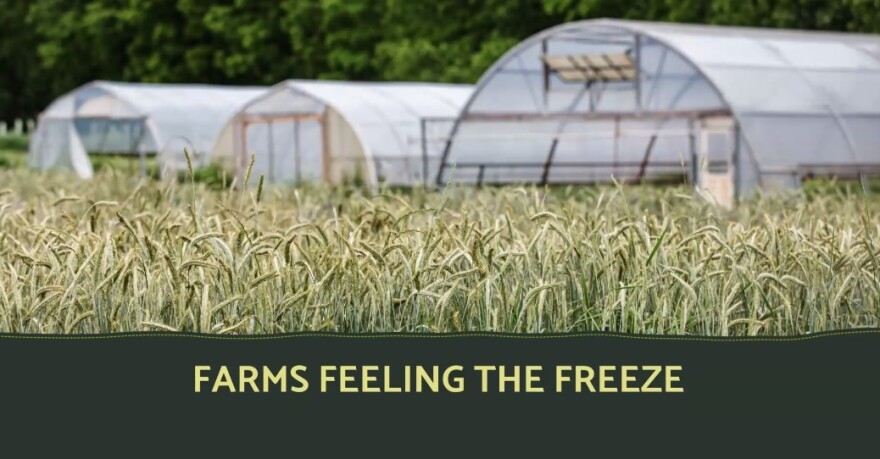
The USDA’s Commitment to Sustainable Agriculture
Sustainable agriculture is a vital component of ensuring the long-term health and productivity of our planet’s ecosystems. The United States Department of Agriculture (USDA) plays a crucial role in promoting sustainable agricultural practices across the country.
Key Initiatives
The USDA implements various programmes and initiatives to support sustainable agriculture. These include:
- Conservation Programs: The USDA offers conservation programmes that help farmers protect natural resources, improve soil health, and reduce environmental impacts.
- Organic Certification: Through the National Organic Program, the USDA certifies organic producers and ensures compliance with organic standards.
- Research and Innovation: The USDA funds research projects focused on sustainable agriculture practices, such as crop rotation, cover cropping, and integrated pest management.
- Educational Resources: The USDA provides educational resources and technical assistance to help farmers adopt sustainable farming methods and improve their operations.
Benefits of Sustainable Agriculture
Sustainable agriculture offers numerous benefits, including:
- Environmental Protection: By using eco-friendly practices, sustainable agriculture helps conserve natural resources, reduce pollution, and mitigate climate change.
- Economic Viability: Sustainable farming methods can enhance farm profitability in the long run by improving soil fertility, reducing input costs, and increasing resilience to climate variability.
- Social Equity: Sustainable agriculture promotes fair labour practices, supports rural communities, and ensures access to healthy food for all individuals.
The Future of Agriculture
The USDA’s commitment to sustainable agriculture is essential for building a resilient food system that can meet the needs of present and future generations. By supporting environmentally friendly practices and fostering innovation in farming techniques, the USDA is paving the way for a more sustainable agricultural sector in the US.
Eight Essential Tips for USDA Sustainable Agriculture Practices
- Use cover crops to protect soil and reduce erosion.
- Rotate crops to maintain soil health and fertility.
- Practice integrated pest management to control pests naturally.
- Conserve water through efficient irrigation methods.
- Promote biodiversity by planting a variety of crops and native species.
- Reduce chemical inputs by using organic fertilizers and pesticides.
- Support local agriculture by buying from farmers markets or joining community-supported agriculture programs.
- Implement agroforestry practices to combine trees and shrubs with crops for sustainability.
Use cover crops to protect soil and reduce erosion.
Using cover crops is a valuable tip in USDA sustainable agriculture practices as it helps protect the soil and minimise erosion. By planting cover crops such as legumes or grasses during fallow periods, farmers can prevent soil erosion caused by wind and water runoff. These cover crops also improve soil structure, increase organic matter content, and enhance nutrient retention, ultimately promoting healthier and more resilient farmland. Implementing this technique not only benefits the environment but also contributes to the long-term sustainability of agricultural operations.
Rotate crops to maintain soil health and fertility.
Rotating crops is a fundamental practice in sustainable agriculture advocated by the USDA to preserve soil health and fertility. By alternating the types of crops grown in a particular area, farmers can prevent soil depletion, control pests and diseases, and enhance nutrient availability. This strategy also helps break pest cycles naturally and improves soil structure, promoting long-term sustainability in agricultural systems. Crop rotation is a simple yet effective method that contributes to maintaining the overall health of the soil while supporting the productivity of farms in a more environmentally friendly manner.
Practice integrated pest management to control pests naturally.
Integrated Pest Management (IPM) is a sustainable approach recommended by the USDA to effectively manage pests in agriculture while minimising environmental impact. By incorporating a combination of biological, cultural, and physical control methods alongside judicious use of pesticides, farmers can control pests naturally and sustainably. This holistic strategy not only helps reduce reliance on chemical pesticides but also promotes ecosystem balance and protects beneficial insects. Implementing IPM not only safeguards crop health but also contributes to the long-term sustainability of agricultural practices.
Conserve water through efficient irrigation methods.
Conserving water through efficient irrigation methods is a key tip in USDA sustainable agriculture practices. By implementing water-saving techniques such as drip irrigation, rainwater harvesting, and soil moisture monitoring, farmers can reduce water wastage, preserve valuable resources, and promote sustainability in agriculture. Efficient irrigation not only helps in conserving water but also contributes to improved crop yields and overall farm productivity. Embracing these practices aligns with the USDA’s goal of promoting environmentally responsible farming methods that support long-term agricultural viability while safeguarding natural ecosystems.
Promote biodiversity by planting a variety of crops and native species.
Promoting biodiversity through the planting of a diverse range of crops and native species is a key tip in USDA sustainable agriculture practices. By cultivating a variety of plants, farmers can enhance ecosystem resilience, support pollinators, and improve soil health. Planting native species also helps maintain local biodiversity and preserve natural habitats. This approach not only benefits the environment but also contributes to sustainable farming practices that promote long-term agricultural productivity and environmental sustainability.
Reduce chemical inputs by using organic fertilizers and pesticides.
Reducing chemical inputs by incorporating organic fertilizers and pesticides is a fundamental practice in USDA sustainable agriculture. By opting for natural alternatives, farmers can minimise environmental impact, protect soil health, and safeguard biodiversity. Organic fertilizers enrich the soil with essential nutrients, while organic pesticides help manage pests without harmful residues. Embracing these sustainable methods not only promotes healthier ecosystems but also contributes to producing safe and nutritious food for consumers.
Support local agriculture by buying from farmers markets or joining community-supported agriculture programs.
Supporting local agriculture is a key aspect of promoting USDA sustainable agriculture practices. By purchasing produce from farmers markets or participating in community-supported agriculture programs, individuals can directly contribute to the success of local farmers and strengthen the resilience of their communities. Not only does this support system help reduce food miles and carbon footprint, but it also fosters a closer connection between consumers and the source of their food, promoting transparency and sustainable farming practices. Joining such initiatives not only benefits local farmers but also promotes a more sustainable and environmentally conscious approach to food consumption.
Implement agroforestry practices to combine trees and shrubs with crops for sustainability.
Implementing agroforestry practices, which involve integrating trees and shrubs with crops, is a key tip for promoting sustainability in agriculture according to the USDA. Agroforestry not only enhances biodiversity and soil health but also provides additional benefits such as improved water retention, increased carbon sequestration, and enhanced resilience to climate change. By combining different elements of the ecosystem in a harmonious way, farmers can create a more sustainable and productive agricultural system that benefits both the environment and their farming operations.