
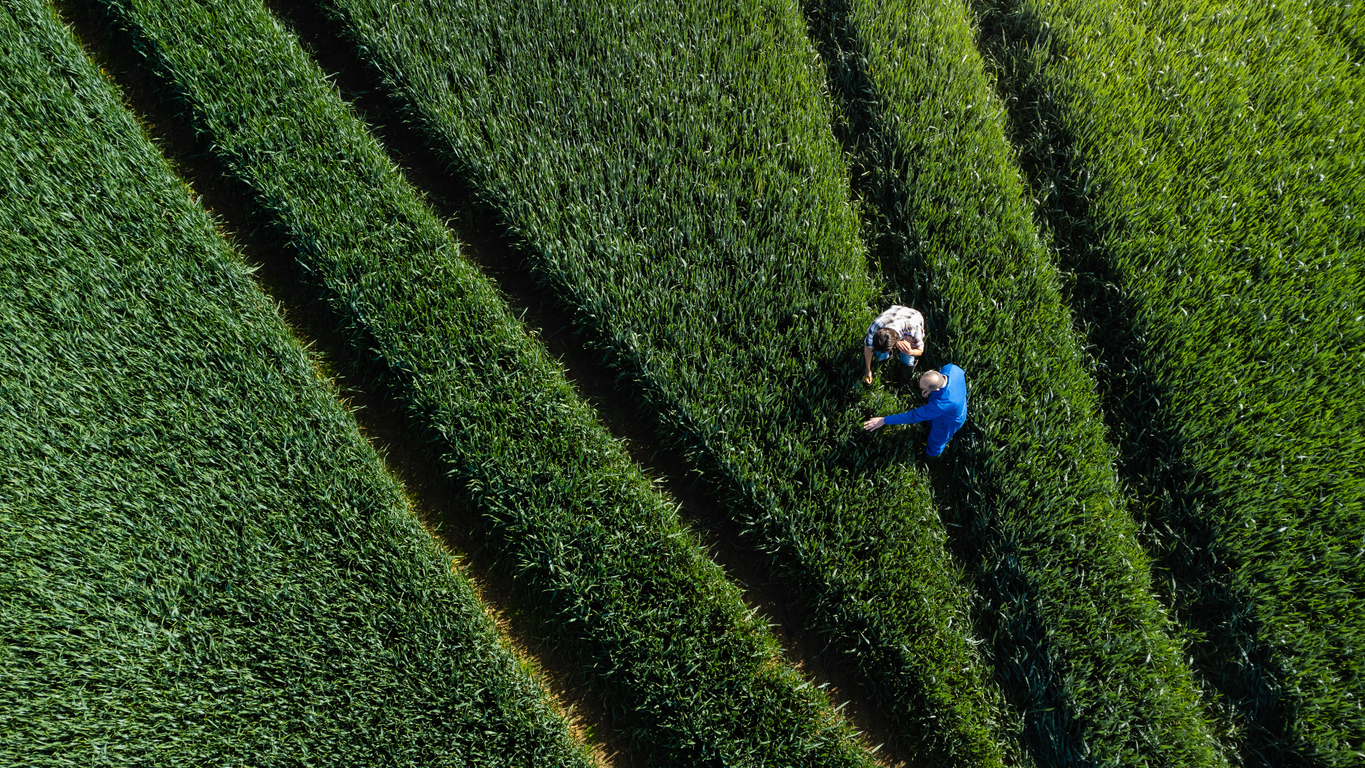
Sustainable Wheat Farming: Cultivating a Greener Future
Wheat is one of the most widely cultivated crops in the world, playing a crucial role in global food security. However, traditional wheat farming practices often have negative environmental impacts, such as soil degradation, water pollution, and greenhouse gas emissions. To address these challenges, sustainable wheat farming practices are being increasingly adopted by farmers worldwide.
Key Principles of Sustainable Wheat Farming
Sustainable wheat farming focuses on balancing economic profitability with environmental stewardship and social responsibility. Key principles include:
- Conservation Tillage: Minimising soil disturbance to prevent erosion and maintain soil health.
- Crop Rotation: Rotating wheat with other crops to improve soil fertility and reduce pest pressure.
- Water Management: Implementing efficient irrigation systems and water-saving practices to conserve water resources.
- Biodiversity Conservation: Preserving natural habitats on farmland to support beneficial insects and wildlife.
- Integrated Pest Management: Using biological controls and cultural practices to manage pests without relying heavily on chemical pesticides.
- Organic Farming: Avoiding synthetic chemicals and fertilisers in favour of organic inputs to promote soil health and biodiversity.
The Benefits of Sustainable Wheat Farming
Adopting sustainable practices in wheat farming offers a range of benefits for both the environment and farmers themselves. These include:
- Environmental Protection: Reduced soil erosion, improved water quality, and lower greenhouse gas emissions contribute to a healthier ecosystem.
- Economic Resilience: Diversified crop rotations and reduced input costs can enhance farm profitability in the long term.
- Social Impact: Sustainable farming practices promote community engagement, support rural livelihoods, and contribute to food security.
The Future of Wheat Farming
In an era of climate change and increasing food demand, sustainable wheat farming is not just an option but a necessity. By embracing innovative technologies, regenerative agriculture techniques, and collaborative partnerships, farmers can cultivate wheat in a way that nourishes both people and the planet. Together, we can sow the seeds for a greener future through sustainable wheat farming.
Eight Essential Tips for Sustainable Wheat Farming in the UK
- Practice crop rotation to improve soil health and reduce the risk of pests and diseases.
- Use organic fertilizers and avoid synthetic chemicals to minimise environmental impact.
- Conserve water by implementing efficient irrigation techniques such as drip irrigation.
- Plant native vegetation around wheat fields to support biodiversity and natural pest control.
- Utilise integrated pest management strategies to control pests without relying solely on pesticides.
- Invest in modern technology like precision farming tools to optimise resource use and increase productivity.
- Promote sustainable practices by obtaining certifications like organic or Fair Trade for your wheat products.
- Collaborate with other farmers, researchers, and organisations to share knowledge and best practices for sustainable wheat farming.
Practice crop rotation to improve soil health and reduce the risk of pests and diseases.
Practising crop rotation is a fundamental tip in sustainable wheat farming that offers multiple benefits. By rotating wheat with other crops, farmers can enhance soil health, increase nutrient availability, and reduce the risk of pests and diseases. This practice helps break pest cycles and minimises the build-up of pathogens in the soil, ultimately leading to healthier crops and higher yields. Additionally, crop rotation contributes to biodiversity on the farm, creating a more resilient and sustainable agricultural ecosystem in the long run.
Use organic fertilizers and avoid synthetic chemicals to minimise environmental impact.
Using organic fertilizers instead of synthetic chemicals is a key tip in sustainable wheat farming to minimise environmental impact. Organic fertilizers, such as compost and manure, not only provide essential nutrients to the soil but also improve soil health and biodiversity. By avoiding synthetic chemicals, farmers can prevent water pollution, reduce greenhouse gas emissions, and promote a more sustainable farming ecosystem. Embracing this practice not only benefits the environment but also contributes to producing healthier crops and fostering long-term agricultural sustainability.
Conserve water by implementing efficient irrigation techniques such as drip irrigation.
Conserving water is a vital aspect of sustainable wheat farming, and one effective way to achieve this is by implementing efficient irrigation techniques like drip irrigation. By using drip irrigation, farmers can deliver water directly to the roots of plants, minimising wastage through evaporation or runoff. This targeted approach not only helps in conserving water resources but also promotes healthier plant growth and improved water efficiency on the farm. Embracing such practices can play a significant role in enhancing the sustainability of wheat farming operations while mitigating the impact on the environment.
Plant native vegetation around wheat fields to support biodiversity and natural pest control.
Planting native vegetation around wheat fields is a valuable tip in sustainable wheat farming. By creating biodiversity-rich habitats, farmers can attract beneficial insects and wildlife that contribute to natural pest control. Native plants provide food and shelter for pollinators, predators of crop pests, and other beneficial organisms, helping to maintain a balanced ecosystem within and around the fields. This practice not only enhances the resilience of the agricultural landscape but also promotes environmental sustainability by reducing the reliance on chemical pesticides.
Utilise integrated pest management strategies to control pests without relying solely on pesticides.
Utilising integrated pest management strategies is a key tip in sustainable wheat farming to effectively control pests without solely relying on pesticides. By incorporating biological controls, crop rotation, and other cultural practices, farmers can manage pest populations while minimising the environmental impact of chemical pesticides. This approach not only helps maintain a balanced ecosystem but also promotes long-term sustainability in wheat production.
Invest in modern technology like precision farming tools to optimise resource use and increase productivity.
Investing in modern technology, such as precision farming tools, is a key tip for sustainable wheat farming. These advanced tools enable farmers to optimise resource use by precisely monitoring and managing inputs like water, fertilisers, and pesticides. By leveraging technology to make data-driven decisions, farmers can increase productivity while minimising waste and environmental impact. Embracing precision farming not only enhances efficiency on the farm but also contributes to a more sustainable and resilient agricultural system for the future.
Promote sustainable practices by obtaining certifications like organic or Fair Trade for your wheat products.
Promoting sustainable practices in wheat farming can be enhanced by obtaining certifications such as organic or Fair Trade for your wheat products. These certifications not only validate your commitment to environmentally friendly and socially responsible farming methods but also provide consumers with assurance that the wheat they are purchasing has been produced in a sustainable manner. By aligning with recognised certification standards, farmers can not only differentiate their products in the market but also contribute to the wider movement towards sustainable agriculture and ethical trade practices.
Collaborate with other farmers, researchers, and organisations to share knowledge and best practices for sustainable wheat farming.
Collaboration plays a vital role in advancing sustainable wheat farming practices. By working closely with fellow farmers, researchers, and organisations, valuable knowledge and best practices can be shared to enhance the sustainability of wheat cultivation. Through collaboration, innovative solutions can be developed, challenges can be collectively addressed, and a supportive community can be fostered to promote the adoption of environmentally-friendly farming methods. Together, by pooling resources and expertise, we can pave the way for a more sustainable future in wheat farming.