
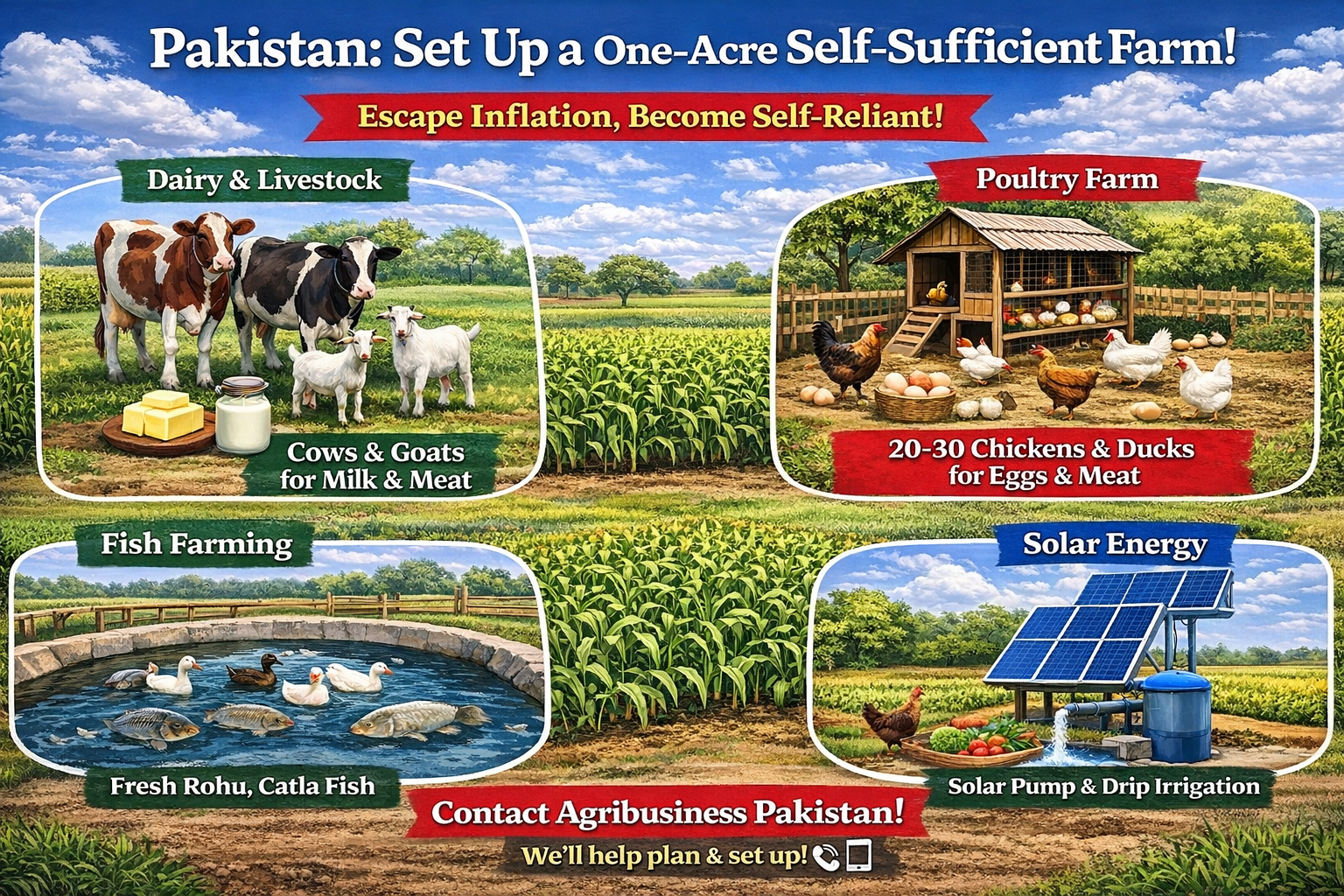
The Power of Self-Reliant Farming
Self-reliant farming, also known as self-sufficient farming, is a practice that empowers individuals and communities to produce their own food and resources independently. In a world where industrial agriculture dominates, self-reliant farming offers a sustainable alternative that promotes autonomy and resilience.
Benefits of Self-Reliant Farming
One of the key advantages of self-reliant farming is the ability to control the entire production process. By growing your own crops, raising livestock, and managing resources on your land, you reduce dependence on external sources for food and supplies. This not only provides a sense of security but also fosters a deeper connection to the land and nature.
Self-reliant farming also promotes sustainability by encouraging practices such as organic farming, permaculture, and agroforestry. These methods not only benefit the environment by preserving soil health and biodiversity but also contribute to producing healthier and more nutritious food.
Challenges and Solutions
While self-reliant farming offers numerous benefits, it also comes with challenges. Limited access to resources, lack of technical knowledge, and unpredictable weather conditions can pose obstacles to self-sufficiency. However, these challenges can be overcome through education, community support, and innovative solutions.
Collaboration with like-minded individuals and organisations can provide valuable knowledge sharing and mutual assistance. By participating in workshops, training programmes, and community projects, individuals can acquire the skills needed to successfully practice self-reliant farming.
The Future of Self-Reliant Farming
As awareness about sustainable agriculture grows, so does interest in self-reliant farming. Communities around the world are embracing this approach as a way to build resilience against external shocks such as climate change or economic instability.
By promoting self-sufficient practices at both individual and community levels, we can create a more resilient food system that is less reliant on external inputs. Self-reliant farmers play a crucial role in shaping a sustainable future where local production meets local needs in an environmentally friendly manner.
Exploring Self-Reliant Farming: Key Questions and Insights for Beginners and Communities
- What is self-reliant farming?
- How can I start practising self-reliant farming?
- What are the benefits of self-reliant farming?
- What challenges are faced in self-reliant farming?
- How can communities support and promote self-reliant farming?
What is self-reliant farming?
Self-reliant farming, also known as self-sufficient farming, is a practice that emphasises independence and autonomy in agricultural production. It involves individuals or communities growing their own food, raising livestock, and managing resources to reduce reliance on external sources for sustenance. Self-reliant farming promotes self-sustainability by encouraging sustainable agriculture practices such as organic farming, permaculture, and agroforestry. By taking control of the entire production process, self-reliant farmers aim to enhance food security, foster a deeper connection to the land, and promote environmental stewardship through holistic farming methods.
How can I start practising self-reliant farming?
To start practising self-reliant farming, it is essential to begin by assessing your current resources, skills, and land availability. Conducting thorough research on sustainable farming practices, such as organic farming techniques, permaculture principles, and water conservation methods, can provide a solid foundation for your journey towards self-sufficiency. Engaging with local agricultural communities, attending workshops or training sessions, and seeking guidance from experienced farmers can also offer valuable insights and support. Start small by growing a variety of crops suited to your climate and soil conditions, gradually expanding your knowledge and practices as you gain experience. Remember that self-reliant farming is a continuous learning process that requires dedication, perseverance, and a commitment to working in harmony with nature.
What are the benefits of self-reliant farming?
Self-reliant farming offers a multitude of benefits that contribute to a more sustainable and resilient agricultural system. By engaging in self-reliant farming practices, individuals and communities gain greater control over their food production, reducing dependence on external sources for sustenance. This autonomy not only enhances food security but also fosters a deeper connection to the land and nature. Additionally, self-reliant farming promotes sustainable practices such as organic farming, permaculture, and agroforestry, which help preserve soil health, biodiversity, and ecosystem balance. The result is not only healthier and more nutritious food but also a more environmentally friendly approach to agriculture that supports long-term sustainability.
What challenges are faced in self-reliant farming?
Self-reliant farming presents various challenges that individuals and communities may encounter on their journey towards self-sufficiency. Limited access to resources, such as land, water, and seeds, can hinder the ability to establish and maintain a productive farm. Additionally, the lack of technical knowledge and skills in sustainable farming practices can pose obstacles to achieving self-reliance. Unpredictable weather patterns and climate change further complicate the farming process, affecting crop yields and livestock management. Despite these challenges, education, community support, and innovative solutions play crucial roles in overcoming barriers to self-reliant farming and building a more resilient agricultural system.
How can communities support and promote self-reliant farming?
Communities play a vital role in supporting and promoting self-reliant farming through various initiatives and collaborative efforts. One way communities can support self-reliant farming is by establishing community gardens or shared agricultural spaces where individuals can come together to grow food collectively. This not only fosters a sense of community spirit but also provides access to fresh produce for all members. Additionally, organising workshops, training sessions, and knowledge-sharing events on sustainable farming practices can empower community members with the skills and information needed to practice self-reliant farming effectively. By creating a supportive environment that values local food production and sustainability, communities can encourage and promote self-reliant farming as a viable and beneficial approach to agriculture.