
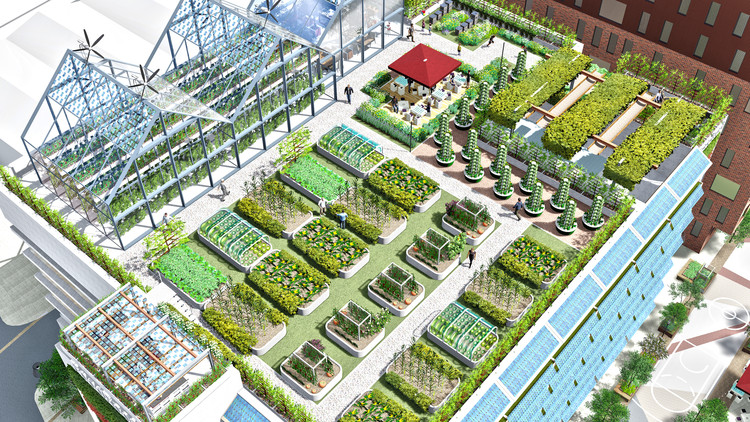
The Rise of Sustainable Farming Projects
In recent years, sustainable farming projects have been gaining momentum as more farmers and communities recognise the importance of environmental stewardship and long-term viability. These projects focus on implementing practices that minimise negative impacts on the environment while promoting efficient and ethical agricultural production.
Key Principles of Sustainable Farming
Sustainable farming projects typically adhere to key principles that guide their operations:
- Soil Health: Emphasis is placed on maintaining soil fertility through natural methods such as crop rotation, cover cropping, and minimal tillage.
- Water Conservation: Practices like rainwater harvesting, drip irrigation, and water recycling are employed to reduce water usage and preserve this precious resource.
- Biodiversity Preservation: Encouraging diverse plant and animal species on farms helps create a balanced ecosystem that supports natural pest control and pollination.
- Energy Efficiency: Utilising renewable energy sources like solar power and wind turbines helps reduce reliance on fossil fuels and lower carbon emissions.
- Sustainable Livestock Management: Implementing humane animal husbandry practices and providing animals with access to pasture promotes animal welfare while reducing environmental impact.
Benefits of Sustainable Farming Projects
The adoption of sustainable farming practices offers a multitude of benefits for both farmers and the environment:
- Environmental Preservation: By reducing chemical inputs, conserving water, and promoting biodiversity, sustainable farming projects help protect ecosystems and mitigate climate change.
- Economic Resilience: Sustainable practices can lead to cost savings in the long run by improving soil health, reducing input costs, and enhancing crop resilience to changing environmental conditions.
- Social Impact: Sustainable farming fosters stronger connections within communities, promotes local food systems, and provides healthier produce for consumers.
Examples of Successful Sustainable Farming Projects
Across the globe, there are numerous inspiring examples of successful sustainable farming projects making a positive impact:
- The Land Institute in Kansas, USA, is dedicated to developing perennial crops that mimic natural ecosystems to enhance soil health and biodiversity.
- Masungi Georeserve in the Philippines, combines conservation efforts with sustainable agriculture practices to protect a biodiverse area while promoting organic farming methods.
- The Soil Association in the UK works with farmers to promote organic agriculture, reduce pesticide use, and support wildlife-friendly farming practices.
In conclusion, sustainable farming projects play a crucial role in shaping the future of agriculture towards a more resilient, ethical, and environmentally conscious industry. By embracing sustainability at all levels of production, farmers can create a healthier planet for current and future generations.
9 Essential Tips for Advancing Sustainable Farming Practices in the UK
- Implement crop rotation to improve soil health and prevent depletion
- Use organic fertilizers and pesticides to reduce chemical impact on the environment
- Practice water conservation techniques such as drip irrigation or rainwater harvesting
- Promote biodiversity by planting cover crops and creating wildlife habitats
- Utilize renewable energy sources like solar panels or wind turbines for farm operations
- Reduce food waste by implementing efficient harvesting and storage methods
- Support local markets and community-supported agriculture initiatives
- Invest in sustainable agricultural practices that benefit both the environment and local communities
- Educate yourself and others about the importance of sustainable farming for a healthier future
Implement crop rotation to improve soil health and prevent depletion
Implementing crop rotation is a fundamental practice in sustainable farming projects to enhance soil health and prevent depletion. By alternating the types of crops grown in a particular area over different seasons, farmers can effectively manage soil nutrients, reduce pest pressure, and improve overall soil structure. This technique not only helps maintain soil fertility but also promotes biodiversity and resilience within the agricultural ecosystem. Crop rotation is a simple yet powerful strategy that contributes to the long-term sustainability of farming operations while minimising environmental impact.
Use organic fertilizers and pesticides to reduce chemical impact on the environment
By utilising organic fertilisers and pesticides in sustainable farming projects, farmers can significantly reduce the chemical impact on the environment. Organic fertilisers, such as compost and manure, enrich the soil with essential nutrients without introducing harmful synthetic chemicals. Likewise, organic pesticides derived from natural sources help control pests while minimising negative effects on beneficial insects and wildlife. By opting for organic alternatives, farmers can promote soil health, biodiversity, and overall ecosystem balance, contributing to a more sustainable agricultural system that prioritises environmental preservation.
Practice water conservation techniques such as drip irrigation or rainwater harvesting
To enhance sustainability in farming projects, implementing water conservation techniques like drip irrigation or rainwater harvesting is essential. Drip irrigation delivers water directly to the roots of plants, reducing wastage and promoting efficient water usage. Rainwater harvesting involves collecting and storing rainwater for agricultural purposes, decreasing reliance on traditional water sources. By adopting these practices, farmers can conserve precious water resources, improve crop yields, and contribute to a more environmentally friendly farming ecosystem.
Promote biodiversity by planting cover crops and creating wildlife habitats
Promoting biodiversity through the planting of cover crops and the creation of wildlife habitats is a key strategy in sustainable farming projects. Cover crops not only help improve soil health and fertility but also provide food and shelter for a variety of beneficial insects and microorganisms. By establishing wildlife habitats within agricultural landscapes, farmers can support the presence of pollinators, natural pest predators, and other wildlife essential for maintaining a balanced ecosystem. This proactive approach not only enhances biodiversity but also contributes to the overall resilience and sustainability of the farm environment.
Utilize renewable energy sources like solar panels or wind turbines for farm operations
By utilising renewable energy sources such as solar panels or wind turbines for farm operations, sustainable farming projects can significantly reduce their carbon footprint and reliance on non-renewable energy. Harnessing the power of the sun or wind not only helps lower operational costs but also contributes to a cleaner and more environmentally friendly farming system. Implementing renewable energy technologies demonstrates a commitment to sustainability and showcases innovative solutions that benefit both the farm and the surrounding ecosystem.
Reduce food waste by implementing efficient harvesting and storage methods
Efficient harvesting and storage methods are essential components of sustainable farming projects as they help reduce food waste and maximise the yield from agricultural produce. By implementing practices such as timely harvesting, proper handling, and appropriate storage techniques, farmers can ensure that their crops remain fresh for longer periods, reducing spoilage and losses. This not only benefits the environment by minimising resource wastage but also contributes to improved economic sustainability for farmers by increasing the availability of marketable produce. Adopting efficient harvesting and storage methods is a practical step towards promoting a more sustainable and efficient food system.
Support local markets and community-supported agriculture initiatives
Supporting local markets and community-supported agriculture initiatives is a key tip in promoting sustainable farming projects. By buying produce directly from local farmers or participating in community-supported agriculture programmes, consumers can reduce food miles, support small-scale farmers, and foster stronger connections within their communities. This not only ensures fresher and more nutritious produce but also helps to sustain local economies and promote environmentally friendly farming practices. Embracing local markets and community-supported agriculture initiatives is a simple yet impactful way to contribute to a more sustainable food system.
Invest in sustainable agricultural practices that benefit both the environment and local communities
Investing in sustainable agricultural practices that benefit both the environment and local communities is a crucial step towards creating a more resilient and harmonious food system. By implementing methods that promote soil health, conserve water, and support biodiversity, farmers can not only reduce their environmental footprint but also contribute to the overall well-being of the community. These practices not only ensure long-term sustainability but also foster stronger connections between farmers and consumers, promoting a healthier ecosystem for all stakeholders involved.
Educate yourself and others about the importance of sustainable farming for a healthier future
Educating oneself and spreading awareness about the significance of sustainable farming is paramount for cultivating a healthier future. By understanding the benefits of sustainable practices such as soil conservation, water management, and biodiversity preservation, individuals can make informed choices that positively impact the environment and food systems. Sharing this knowledge with others fosters a collective commitment to sustainable agriculture, paving the way for a more resilient and ecologically sound future for generations to come.