
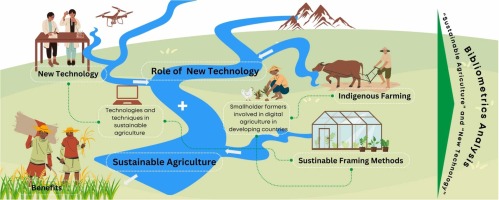
The Rise of New Sustainable Agriculture Practices
In recent years, the agricultural industry has been undergoing a significant shift towards more sustainable practices to address environmental concerns and ensure long-term food security. This shift has led to the emergence of innovative techniques and technologies that promote eco-friendly farming methods while maintaining productivity. Let’s explore some of these new sustainable agriculture practices:
Precision Farming
Precision farming involves using technology such as GPS, sensors, and drones to monitor and manage crop production more efficiently. By precisely targeting inputs like water, fertilisers, and pesticides, farmers can reduce waste, improve crop yields, and minimise environmental impact.
Agroforestry
Agroforestry integrates trees and shrubs into agricultural landscapes to create diverse and resilient ecosystems. This practice not only enhances soil health and biodiversity but also provides additional income streams for farmers through products like fruits, nuts, and timber.
Cover Cropping
Cover cropping involves planting non-cash crops during off-seasons to protect soil from erosion, suppress weeds, improve soil fertility, and increase organic matter content. Cover crops also help sequester carbon dioxide from the atmosphere, contributing to climate change mitigation.
Integrated Pest Management (IPM)
IPM is a holistic approach to pest control that combines biological, cultural, physical, and chemical methods to manage pests effectively while minimising adverse effects on the environment. By promoting natural predators and using targeted interventions, farmers can reduce reliance on synthetic pesticides.
Water-Efficient Irrigation
Water-efficient irrigation systems such as drip irrigation and micro-sprinklers deliver water directly to plant roots with minimal wastage. These systems help conserve water resources, reduce energy consumption for pumping water, and optimise crop growth by providing precise moisture levels.
Overall, the adoption of new sustainable agriculture practices is crucial for building a resilient food system that can meet the needs of a growing global population while safeguarding natural resources for future generations. By embracing innovation and sustainability in farming methods, we can create a more environmentally friendly and economically viable agricultural sector.
Five Benefits of Sustainable Agriculture: Soil Health, Environmental Protection, Water Efficiency, Climate Resilience, and Food Quality
- Enhanced soil health and fertility through practices like cover cropping and crop rotation.
- Reduced environmental impact by minimising chemical inputs and promoting biodiversity.
- Improved water management efficiency with technologies such as drip irrigation and rainwater harvesting.
- Increased resilience to climate change through diversified farming systems and agroforestry.
- Enhanced food quality and safety by prioritising organic farming methods and reducing pesticide residues.
Challenges in Adopting Sustainable Agriculture: High Costs, Resistance, and Market Limitations
- Initial costs of implementing new sustainable agriculture practices can be high, making it challenging for small-scale farmers with limited resources.
- Transitioning to sustainable practices may require significant changes in traditional farming methods, leading to resistance or reluctance from some farmers.
- Sustainable agriculture practices often require more time and effort for monitoring and management, potentially increasing the workload for farmers.
- There may be a learning curve involved in adopting new technologies and techniques associated with sustainable agriculture, which could hinder immediate productivity gains.
- Unforeseen challenges or complexities in implementing sustainable practices could result in lower-than-expected yields or crop losses during the transition period.
- In some cases, the market demand or price premiums for sustainably produced agricultural products may not be sufficient to offset the additional costs incurred by farmers.
Enhanced soil health and fertility through practices like cover cropping and crop rotation.
Enhanced soil health and fertility are key benefits of implementing new sustainable agriculture practices such as cover cropping and crop rotation. Cover cropping involves planting non-cash crops during off-seasons to protect the soil from erosion, suppress weeds, and increase organic matter content. This practice helps improve soil structure, retain moisture, and promote beneficial microbial activity. Additionally, crop rotation involves alternating different crops in the same field to prevent nutrient depletion and reduce pest pressure. By adopting these practices, farmers can enhance soil fertility, increase yields, and promote long-term sustainability in agricultural systems.
Reduced environmental impact by minimising chemical inputs and promoting biodiversity.
By embracing new sustainable agriculture practices, farmers can significantly reduce their environmental impact by minimising the use of chemical inputs and promoting biodiversity. By moving away from reliance on synthetic pesticides and fertilisers, these practices help protect soil health, water quality, and overall ecosystem balance. Additionally, promoting biodiversity through techniques such as agroforestry and cover cropping enhances natural pest control mechanisms and supports a healthier ecosystem where various plant and animal species can thrive. This proactive approach not only benefits the environment but also contributes to long-term sustainability and resilience in agricultural systems.
Improved water management efficiency with technologies such as drip irrigation and rainwater harvesting.
The integration of advanced technologies like drip irrigation and rainwater harvesting in new sustainable agriculture practices has significantly enhanced water management efficiency. Drip irrigation systems deliver water directly to plant roots, reducing water wastage and ensuring optimal moisture levels for crops. Similarly, rainwater harvesting allows farmers to collect and store rainwater for irrigation purposes, reducing reliance on traditional water sources. These innovations not only conserve precious water resources but also contribute to increased crop yields and overall sustainability in agriculture.
Increased resilience to climate change through diversified farming systems and agroforestry.
Diversified farming systems and agroforestry play a vital role in enhancing the resilience of agriculture to climate change impacts. By incorporating a variety of crops, trees, and vegetation into farming landscapes, farmers can create more robust ecosystems that are better equipped to withstand extreme weather events and changing climatic conditions. Agroforestry, in particular, helps improve soil health, water retention, and biodiversity, providing a buffer against the negative effects of climate change on agricultural productivity. Through these sustainable practices, farmers can adapt to environmental challenges and build a more resilient food production system for the future.
Enhanced food quality and safety by prioritising organic farming methods and reducing pesticide residues.
By prioritising organic farming methods and reducing pesticide residues, new sustainable agriculture practices contribute significantly to enhancing food quality and safety. Organic farming techniques focus on natural fertilisers, crop rotation, and biological pest control, resulting in produce that is free from synthetic chemicals. By minimising pesticide residues in crops, these practices ensure that consumers have access to healthier and more nutritious food options. This emphasis on organic farming not only benefits human health but also supports environmental sustainability by reducing chemical pollution in soil and water systems.
Initial costs of implementing new sustainable agriculture practices can be high, making it challenging for small-scale farmers with limited resources.
One significant challenge associated with the adoption of new sustainable agriculture practices is the high initial costs involved in implementing these methods. For small-scale farmers with limited resources, investing in technologies, equipment, and training required for sustainable farming can be financially burdensome. The upfront expenses for transitioning to eco-friendly practices such as precision farming or agroforestry may deter smaller farmers from embracing these approaches, despite their long-term benefits. Addressing the affordability and accessibility of sustainable agriculture solutions is essential to ensure that all farmers, regardless of scale, can participate in building a more environmentally conscious and resilient agricultural sector.
Transitioning to sustainable practices may require significant changes in traditional farming methods, leading to resistance or reluctance from some farmers.
Transitioning to sustainable agriculture practices may pose a challenge due to the need for significant changes in traditional farming methods. This shift can encounter resistance or reluctance from some farmers who are accustomed to conventional practices. The adjustment to new techniques, technologies, and approaches may require additional investments in terms of time, resources, and training. Overcoming this con involves addressing concerns, providing support, and demonstrating the long-term benefits of sustainable agriculture to encourage wider adoption within the farming community.
Sustainable agriculture practices often require more time and effort for monitoring and management, potentially increasing the workload for farmers.
Implementing new sustainable agriculture practices can present a challenge for farmers as they often demand additional time and effort for monitoring and management. This increased workload can put a strain on farmers who may already have limited resources and face pressures to maximise productivity. Balancing the adoption of sustainable practices with the need to maintain efficient operations can be a delicate task, highlighting the importance of providing support and resources to help farmers navigate this transition towards more environmentally friendly farming methods.
There may be a learning curve involved in adopting new technologies and techniques associated with sustainable agriculture, which could hinder immediate productivity gains.
Adopting new sustainable agriculture practices comes with a potential drawback: the learning curve associated with implementing unfamiliar technologies and techniques. Farmers may face challenges in mastering these innovative methods, leading to initial setbacks that could hinder immediate productivity gains. The time and resources required for training and adapting to new practices may delay the realisation of benefits such as increased efficiency and reduced environmental impact. Despite this con, investing in education and support for farmers to overcome the learning curve can ultimately lead to long-term sustainability and success in sustainable agriculture.
Unforeseen challenges or complexities in implementing sustainable practices could result in lower-than-expected yields or crop losses during the transition period.
One significant challenge associated with the adoption of new sustainable agriculture practices is the potential for unforeseen complexities that may arise during the implementation process. These challenges could lead to lower-than-expected yields or even crop losses, especially during the transition period from conventional to sustainable farming methods. Factors such as soil adaptation, pest management, and changes in crop rotation patterns may impact productivity in the short term. Farmers must carefully navigate these complexities and invest time and resources in overcoming obstacles to ensure a successful transition towards sustainable practices in the long run.
In some cases, the market demand or price premiums for sustainably produced agricultural products may not be sufficient to offset the additional costs incurred by farmers.
In some instances, a notable drawback of implementing new sustainable agriculture practices is that the market demand or price premiums for sustainably produced agricultural products might not be substantial enough to compensate for the extra expenses borne by farmers. Despite the benefits of eco-friendly farming methods, such as improved environmental conservation and long-term sustainability, the financial viability of these practices can be hindered when the market fails to adequately reward farmers for their efforts in adopting sustainable approaches. This disparity between costs and returns poses a significant challenge for farmers seeking to transition to more sustainable production methods while maintaining economic feasibility in an increasingly competitive market environment.