
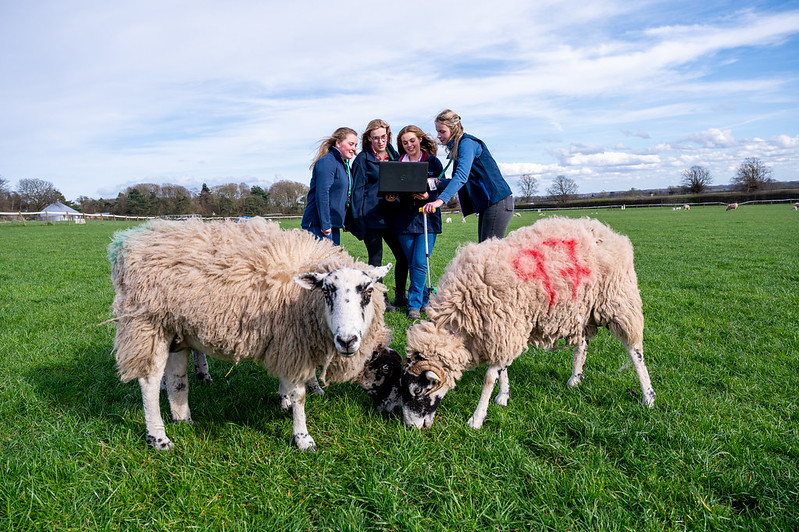
Livestock Farming Courses: Enhancing Skills and Knowledge
Livestock farming plays a crucial role in the agricultural industry, providing essential products such as meat, milk, and wool. To ensure the success and sustainability of livestock operations, it is vital for farmers and aspiring agriculturists to acquire the necessary skills and knowledge through specialised courses.
Importance of Livestock Farming Courses
Livestock farming courses offer participants a comprehensive understanding of animal husbandry practices, nutrition management, breeding techniques, health care protocols, and sustainable farming methods. By enrolling in these courses, individuals can enhance their expertise in handling various livestock species effectively.
Topics Covered in Livestock Farming Courses
Participants in livestock farming courses can expect to learn about:
- Breeding and genetics
- Animal nutrition and feeding strategies
- Disease prevention and veterinary care
- Farm management practices
- Sustainable livestock production methods
Benefits of Livestock Farming Education
By completing livestock farming courses, individuals can:
- Improve animal welfare standards on their farms
- Increase farm productivity and profitability
- Enhance their problem-solving skills in managing livestock operations
- Stay updated on industry trends and best practices
- Network with other professionals in the field
Where to Find Livestock Farming Courses?
Livestock farming courses are offered by agricultural colleges, universities, vocational schools, online platforms, and agricultural extension services. These courses may range from short workshops to diploma programmes, catering to individuals with varying levels of experience in livestock management.
Whether you are a seasoned farmer looking to expand your knowledge or a newcomer interested in starting a career in livestock farming, enrolling in relevant courses can provide you with the skills and confidence needed to succeed in this dynamic industry.
Top Benefits of Livestock Farming Courses: Boost Skills, Sustainability, and Productivity
- Enhance animal husbandry skills
- Learn sustainable farming practices
- Improve livestock health management
- Increase farm productivity
- Networking opportunities with industry professionals
Challenges Faced in Livestock Farming Courses: Financial, Scheduling, Practicality, Scope, and Quality Concerns
- Costly tuition fees for some courses may be prohibitive for individuals with limited financial resources.
- Courses may have rigid schedules that can be challenging for participants with existing work or family commitments.
- Limited availability of practical hands-on training opportunities in some livestock farming courses.
- Some courses may focus on specific livestock species, limiting the overall scope of knowledge gained by participants.
- Quality of instruction and course content can vary between different providers, leading to inconsistent learning experiences.
Enhance animal husbandry skills
Livestock farming courses offer a significant advantage by enhancing animal husbandry skills. Participants gain in-depth knowledge of best practices in handling, breeding, nutrition management, and healthcare for livestock species. By honing their animal husbandry skills through structured education and practical training, individuals can improve the well-being and productivity of their animals. This proficiency not only benefits the livestock’s quality of life but also contributes to the overall success and sustainability of livestock farming operations.
Learn sustainable farming practices
Livestock farming courses offer a valuable opportunity for individuals to learn sustainable farming practices that promote environmental conservation and long-term viability. By understanding methods such as rotational grazing, organic feed production, and integrated pest management, participants can minimise the ecological impact of their livestock operations while maintaining productivity. Emphasising sustainability in livestock farming not only benefits the environment but also contributes to the overall resilience and success of agricultural enterprises.
Improve livestock health management
Livestock farming courses offer a valuable pro by enhancing livestock health management practices. Participants gain in-depth knowledge of disease prevention, veterinary care, and overall animal well-being. By learning effective health management strategies, farmers can proactively safeguard the health of their livestock, reduce disease risks, and improve the overall productivity and welfare of their animals. This aspect of livestock farming courses not only benefits the animals but also contributes to the sustainability and success of livestock operations in the long run.
Increase farm productivity
Livestock farming courses offer a significant benefit by increasing farm productivity. Through these courses, farmers gain valuable insights into efficient breeding techniques, optimal nutrition management, disease prevention strategies, and overall livestock care practices. By implementing the knowledge and skills acquired from these courses, farmers can enhance the health and well-being of their animals, leading to improved productivity on the farm. Increased productivity not only boosts the quantity and quality of livestock products but also contributes to the overall sustainability and profitability of the farm operation.
Networking opportunities with industry professionals
Networking opportunities with industry professionals are a valuable pro of livestock farming courses. By engaging with experts and peers in the field, course participants can expand their professional connections, gain insights into industry trends, and exchange valuable knowledge and experiences. Networking not only fosters collaboration but also opens doors to potential partnerships, mentorships, and career opportunities within the livestock farming sector. Building a strong network of industry professionals can enhance one’s credibility, provide support in navigating challenges, and contribute to long-term success in the agricultural industry.
Costly tuition fees for some courses may be prohibitive for individuals with limited financial resources.
One significant drawback of livestock farming courses is the high tuition fees associated with certain programmes, which can pose a financial barrier for individuals with limited resources. The cost of enrolling in these courses may be prohibitive for aspiring farmers or small-scale producers who are unable to afford expensive educational fees. This financial constraint could prevent individuals from accessing valuable training and knowledge that could enhance their livestock farming skills and ultimately hinder their ability to improve their agricultural practices and productivity.
Courses may have rigid schedules that can be challenging for participants with existing work or family commitments.
Livestock farming courses, while valuable for enhancing skills and knowledge in animal husbandry, may present a significant challenge for participants with existing work or family commitments due to their rigid schedules. The structured nature of these courses can make it difficult for individuals to balance their professional or personal responsibilities with the demands of the coursework. This constraint may limit the accessibility of livestock farming education to those who are unable to commit to fixed class times or extended periods of study, potentially excluding individuals who could benefit from such training but are unable to accommodate the inflexible schedules.
Limited availability of practical hands-on training opportunities in some livestock farming courses.
One significant drawback of some livestock farming courses is the limited availability of practical hands-on training opportunities. While theoretical knowledge is essential, gaining practical experience in handling livestock, implementing farm management techniques, and troubleshooting real-life challenges is equally crucial for developing competent farmers. Courses that lack sufficient practical training components may hinder participants from honing their skills effectively and applying theoretical concepts in practical farm settings, potentially limiting their preparedness for real-world livestock farming scenarios.
Some courses may focus on specific livestock species, limiting the overall scope of knowledge gained by participants.
Some livestock farming courses may have a drawback in that they tend to focus heavily on specific livestock species, potentially limiting the overall breadth of knowledge acquired by participants. While in-depth study of a particular species can be beneficial for those specialising in that area, it may hinder a more comprehensive understanding of diverse livestock management practices. Participants may miss out on gaining insights into alternative farming methods and cross-species comparisons that could enrich their overall expertise in the field of livestock agriculture.
Quality of instruction and course content can vary between different providers, leading to inconsistent learning experiences.
The con of livestock farming courses lies in the variability of instruction quality and course content across different providers, resulting in inconsistent learning experiences for participants. This disparity can hinder the effectiveness of the educational programmes, as students may receive differing levels of training and information depending on the institution or platform they choose. Inadequate instruction and substandard course content can impede learners’ ability to acquire comprehensive knowledge and skills in livestock farming, ultimately impacting their proficiency in managing livestock operations effectively.