
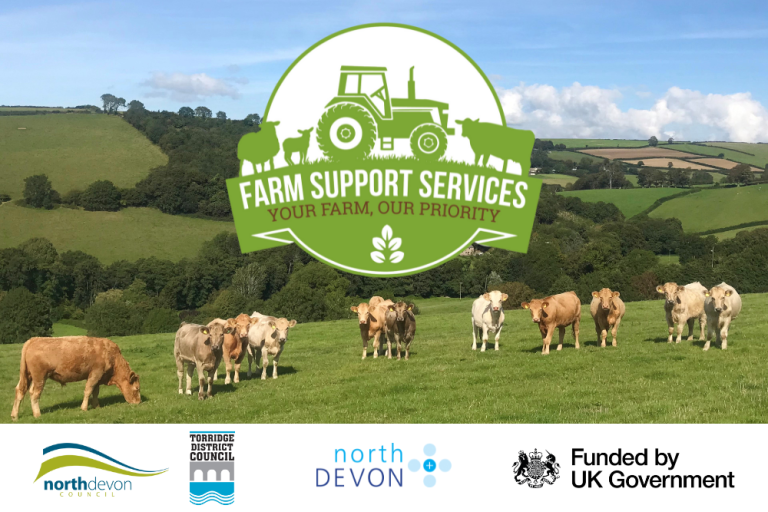
Supporting Farmers: The Backbone of Agriculture
Farmers play a vital role in our society by producing the food we eat and contributing to the economy. However, the challenges they face are numerous and often daunting. From unpredictable weather patterns to market fluctuations, farmers constantly navigate a complex landscape.
One crucial aspect that can make a significant difference in farmers’ lives is support. Providing farmers with the right support can help them overcome challenges, improve productivity, and ensure sustainable agricultural practices for the future.
The Importance of Support for Farmers
Support for farmers comes in various forms, including financial assistance, access to resources and technology, training and education, and mental health services. These support systems are essential for several reasons:
- Financial Stability: Farming is a capital-intensive industry, and many small-scale farmers struggle with financial constraints. Support in the form of grants, subsidies, or low-interest loans can help farmers invest in their operations and withstand economic uncertainties.
- Access to Resources: Farmers need access to land, water, seeds, fertilisers, and equipment to carry out their work effectively. Support organisations can help connect farmers with these essential resources.
- Technology Advancement: Innovations in agriculture can significantly improve productivity and sustainability. By providing farmers with access to modern technologies and training on their use, support organisations enable them to adopt best practices.
- Educational Opportunities: Continuous learning is key to success in farming. Workshops, seminars, and training programmes can equip farmers with new skills and knowledge to enhance their agricultural practices.
- Mental Health Support: Farming can be a stressful occupation with long hours and unpredictable outcomes. Mental health services tailored for farmers can provide much-needed emotional support and coping strategies.
The Role of Community in Supporting Farmers
In addition to formal support systems, community engagement plays a crucial role in supporting farmers. Local communities can offer moral support, share knowledge and experiences, facilitate networking opportunities, and promote sustainable farming practices.
Farmers’ markets, agricultural cooperatives, community-supported agriculture (CSA) programmes, and online forums are just some examples of how communities come together to support local farmers. By fostering strong community ties, farmers feel valued and connected while also gaining access to new markets for their produce.
In Conclusion
Supporting farmers is not just about ensuring food security; it is about sustaining livelihoods, preserving traditions, protecting the environment, and building resilient communities. By recognising the invaluable contributions of farmers and providing them with the necessary support systems they need to thrive,
we invest in a more sustainable future for agriculture as a whole.
Seven Benefits of Supporting Farmers: Boosting Productivity, Sustainability, and Community Well-being
- Improves agricultural productivity
- Enhances food security
- Promotes sustainable farming practices
- Strengthens rural economies
- Supports small-scale and family-owned farms
- Preserves traditional farming knowledge and practices
- Fosters community resilience and cohesion
Challenges in Farmers’ Support: Dependency, Budget Constraints, and Beyond
- Dependency Risk
- Budget Constraints
- Inequitable Distribution
- Lack of Accountability
- Market Distortion
- Sustainability Concerns
Improves agricultural productivity
Supporting farmers not only enhances agricultural productivity but also ensures the sustainability of food production systems. By providing farmers with access to modern technologies, training, and resources, they can optimise their farming practices, increase yields, and improve the overall efficiency of their operations. This leads to a more productive agricultural sector that can meet the growing demands for food while minimising environmental impact through responsible farming methods.
Enhances food security
Supporting farmers enhances food security by ensuring a stable and reliable food supply for communities. By providing farmers with the necessary resources, training, and technology, they can increase their productivity and cultivate a diverse range of crops. This not only helps meet the growing demand for food but also reduces the risk of food shortages during times of crisis or natural disasters. Additionally, supporting farmers encourages sustainable farming practices that promote long-term food security by preserving soil health, biodiversity, and water resources for future generations.
Promotes sustainable farming practices
Supporting farmers promotes sustainable farming practices by providing them with access to resources, training, and technologies that encourage environmentally friendly methods. Through support systems, farmers can learn about conservation techniques, organic farming, crop rotation, and other sustainable practices that help preserve the land for future generations. By promoting sustainability in agriculture, farmers can reduce their environmental impact, conserve natural resources, and contribute to a healthier ecosystem overall.
Strengthens rural economies
Supporting farmers strengthens rural economies by creating a ripple effect of economic growth within local communities. When farmers receive the necessary support, they can increase their productivity, expand their operations, and generate more income. This additional income circulates within the rural economy, leading to increased spending on goods and services from local businesses. Moreover, thriving farms attract agricultural tourism and create job opportunities, further boosting the economic vitality of rural areas. By investing in farmers’ success, we contribute to the overall prosperity and sustainability of rural economies.
Supports small-scale and family-owned farms
Supporting farmers not only benefits the agricultural industry as a whole but also specifically uplifts small-scale and family-owned farms. By providing targeted assistance such as financial aid, access to resources, and training opportunities, farmers support programmes empower these smaller operations to compete in the market, improve efficiency, and sustain their livelihoods. This focus on small-scale and family-owned farms helps preserve traditional farming practices, promotes local food production, and contributes to the overall diversity and resilience of the agricultural sector.
Preserves traditional farming knowledge and practices
Preserving traditional farming knowledge and practices is a significant benefit of supporting farmers. By providing farmers with the resources and encouragement to uphold age-old techniques and wisdom passed down through generations, we ensure that valuable agricultural traditions are not lost to modernisation. This preservation not only honours the cultural heritage of farming communities but also maintains biodiversity, promotes sustainable land management, and fosters a deeper connection to the land. Through ongoing support, we safeguard these time-honoured practices for future generations to cherish and learn from.
Fosters community resilience and cohesion
Supporting farmers not only enhances agricultural practices but also fosters community resilience and cohesion. By rallying behind local farmers, communities strengthen their bonds and create a sense of unity. Through shared experiences, knowledge exchange, and mutual support, residents come together to build a more resilient community that can withstand challenges and thrive in the face of adversity. Farmers support initiatives play a vital role in bringing people together, promoting cooperation, and preserving the social fabric of rural areas.
Dependency Risk
Excessive support provided to farmers poses a significant con in the form of dependency risk. When farmers rely too heavily on external assistance, they may become complacent and less inclined to seek innovative solutions independently. This overreliance on support can hinder their ability to adapt to changing circumstances, stifle creativity, and limit their capacity for self-sufficiency. It is crucial to strike a balance in providing support that empowers farmers without fostering a sense of dependency, encouraging them to cultivate resilience, independence, and innovation in their agricultural practices.
Budget Constraints
Budget constraints present a significant con when it comes to supporting farmers. While the intention is to provide comprehensive assistance to all farmers, the reality of limited government budgets and resources can pose challenges. Allocating funds for various support programmes may stretch resources thin and lead to inefficiencies in implementation. Prioritising where and how to allocate limited resources becomes crucial, as trying to support all farmers equally may not be feasible within budgetary constraints. Balancing the need for support with financial limitations requires careful planning and strategic decision-making to maximise the impact of available resources.
Inequitable Distribution
Inequitable distribution of support services in the agricultural sector can exacerbate existing disparities among farmers, leading to unequal opportunities and outcomes. When certain groups receive preferential access to support, whether due to geographic location, socio-economic status, or other factors, it can create a divide that hinders the progress of marginalized farmers. This imbalance not only perpetuates inequality within the farming community but also undermines the overall sustainability and inclusivity of agricultural development efforts. Addressing this conundrum requires a concerted effort to ensure that support services are distributed equitably, providing all farmers with fair and equal access to resources and opportunities for growth.
Lack of Accountability
Lack of accountability within farmers support programmes poses a significant challenge as inadequate monitoring and evaluation mechanisms can lead to the misuse or misallocation of crucial support funds and resources. Without proper oversight, there is a risk that the intended benefits of the support may not reach those who need it most, ultimately undermining the effectiveness of such initiatives. It is essential to establish robust accountability measures to ensure transparency, efficiency, and fair distribution of support to farmers, thereby maximising the impact of agricultural assistance programmes.
Market Distortion
Market distortion is a significant con of farmers’ support initiatives, particularly through subsidies and price supports. While these measures aim to provide financial stability and assistance to farmers, they can inadvertently disrupt market dynamics. Subsidies and price supports may artificially inflate production levels, leading to oversupply and lower market prices. This distortion can impact competition among farmers and create trade imbalances, affecting relationships within the agricultural sector both locally and internationally. As a result, market distortion caused by excessive support measures can hinder fair competition and impede the development of sustainable agricultural practices.
Sustainability Concerns
One significant con of farmers’ support is the potential sustainability concerns it may raise. While support programmes aim to assist farmers in various ways, there is a risk that some forms of support could unintentionally encourage unsustainable farming practices or have adverse environmental effects. For instance, subsidies that incentivise high-input, intensive farming methods may lead to overuse of chemicals, soil degradation, and water pollution. It is essential for support initiatives to carefully consider the long-term environmental implications of the assistance provided to ensure that farmers are encouraged to adopt practices that promote sustainability and protect the ecosystem for future generations.