
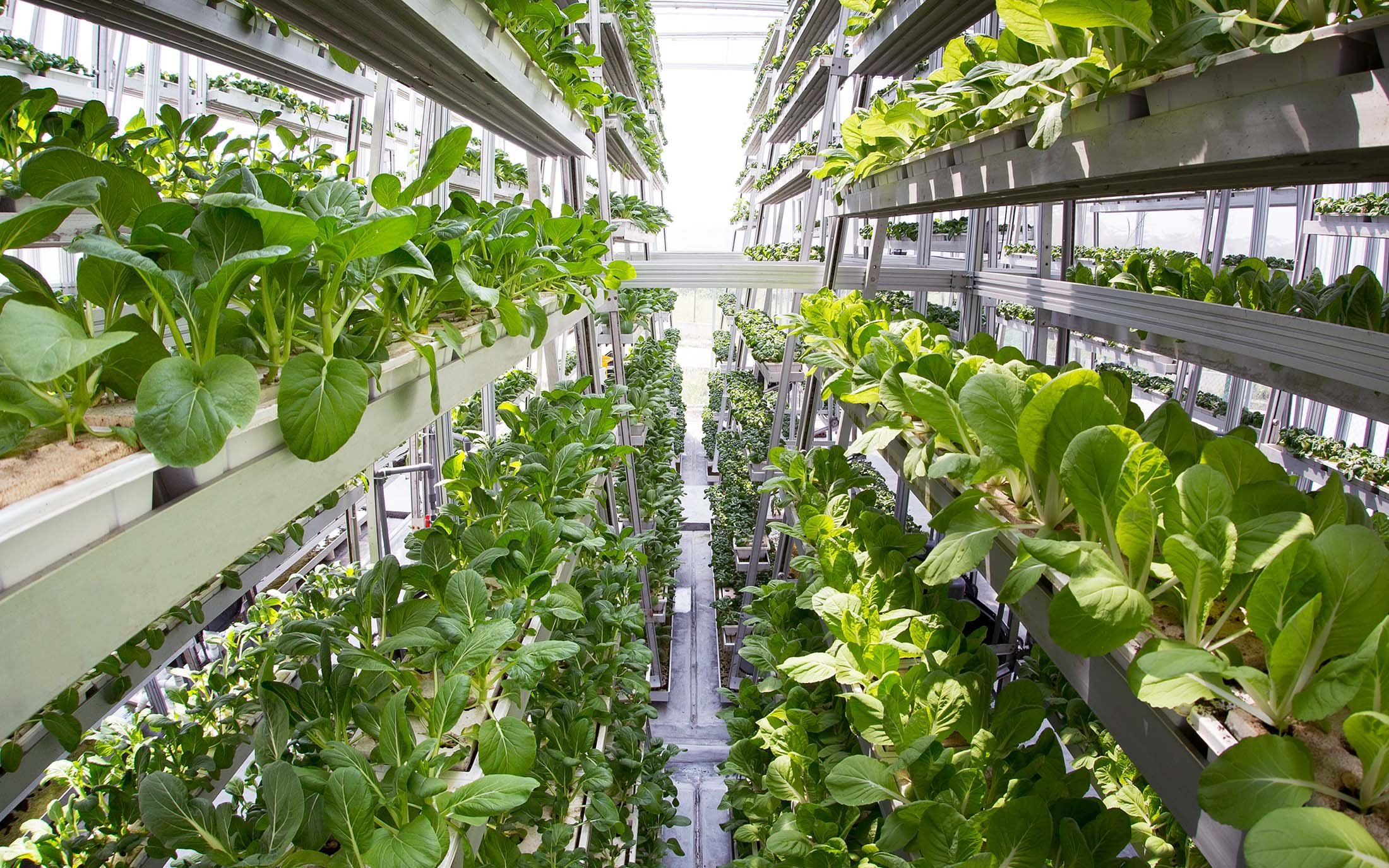
Exploring Alternative Farming Systems
Traditional farming methods have long been the backbone of agriculture, but as the world faces environmental challenges and growing food demands, alternative farming systems are gaining attention. These innovative approaches offer sustainable solutions to improve productivity while minimising environmental impact.
Organic Farming
Organic farming is a well-known alternative system that eliminates the use of synthetic pesticides and fertilisers. Instead, it relies on natural methods like crop rotation, composting, and biological pest control. By avoiding harmful chemicals, organic farming promotes soil health and biodiversity while producing nutritious crops.
Permaculture
Permaculture is a holistic approach that mimics natural ecosystems to create self-sustaining farms. By designing systems that work with nature rather than against it, permaculture aims to maximise efficiency and minimise waste. This method focuses on diversity, integration, and regenerative practices to build resilient agricultural systems.
Aquaponics
Aquaponics combines aquaculture (fish farming) with hydroponics (soilless plant cultivation) in a symbiotic system. Fish waste provides nutrients for plants, while plants filter the water for fish. This closed-loop cycle maximises resource use efficiency and reduces water consumption compared to traditional farming methods.
Agroforestry
Agroforestry integrates trees and shrubs into agricultural landscapes to enhance productivity and sustainability. By planting trees alongside crops or livestock, agroforestry improves soil health, provides shade and windbreaks, sequesters carbon, and diversifies income sources for farmers. This system promotes biodiversity and resilience in farming practices.
In conclusion, alternative farming systems offer innovative solutions to address the challenges facing modern agriculture. By adopting sustainable practices like organic farming, permaculture, aquaponics, and agroforestry, farmers can improve productivity while preserving natural resources for future generations.
Exploring Alternative Farming Systems: Key Questions and Insights for Sustainable Agriculture
- What is organic farming and how does it differ from conventional farming?
- How can permaculture principles be applied to agriculture?
- What are the benefits of aquaponics in sustainable farming?
- How does agroforestry promote biodiversity on farms?
- What challenges do farmers face when transitioning to alternative farming systems?
- Are alternative farming systems economically viable compared to traditional methods?
- How can individuals support and promote alternative farming practices in their communities?
What is organic farming and how does it differ from conventional farming?
Organic farming is a sustainable agricultural approach that prioritises natural methods and avoids synthetic chemicals. In contrast to conventional farming, which relies heavily on synthetic pesticides and fertilisers, organic farming promotes soil health and biodiversity through practices such as crop rotation, composting, and biological pest control. By eschewing harmful chemicals, organic farmers aim to produce crops in harmony with nature while minimising environmental impact. Organic farming also emphasises animal welfare, prohibiting the use of antibiotics and growth hormones in livestock production. Overall, the key differences lie in the methods used and the philosophy behind each approach, with organic farming focusing on sustainability, ecosystem health, and producing wholesome food without compromising the environment.
How can permaculture principles be applied to agriculture?
Permaculture principles can be effectively applied to agriculture by designing farming systems that mimic natural ecosystems and promote sustainability. By integrating principles such as observation, diversity, and integration, farmers can create regenerative agricultural practices that work in harmony with nature. Implementing permaculture techniques like companion planting, water harvesting, and soil conservation helps improve soil health, enhance biodiversity, and increase resilience to environmental challenges. By following permaculture principles, farmers can create self-sustaining systems that maximise efficiency, minimise waste, and contribute to a more sustainable agricultural future.
What are the benefits of aquaponics in sustainable farming?
Aquaponics offers several benefits in sustainable farming. One key advantage is its resource efficiency, as it combines aquaculture and hydroponics in a closed-loop system. This integration allows for the recycling of nutrients, with fish waste serving as a natural fertiliser for plants, while the plants filter and purify the water for the fish. As a result, aquaponics requires less water compared to traditional farming methods and minimises the need for synthetic fertilisers. Additionally, this symbiotic relationship promotes biodiversity and reduces environmental impact by creating a self-sustaining ecosystem that can produce both fish and crops simultaneously. Overall, aquaponics represents an innovative and sustainable approach to farming that maximises productivity while conserving resources.
How does agroforestry promote biodiversity on farms?
Agroforestry promotes biodiversity on farms by integrating trees and shrubs into agricultural landscapes, creating diverse ecosystems that support a wide range of plant and animal species. The presence of trees provides habitat for wildlife, including birds, insects, and small mammals, enhancing overall biodiversity on the farm. Additionally, tree roots help improve soil structure and fertility, while the canopy offers shade and shelter for crops and livestock. By incorporating trees alongside traditional farming practices, agroforestry not only increases biodiversity but also contributes to ecosystem resilience and sustainability in agricultural systems.
What challenges do farmers face when transitioning to alternative farming systems?
Transitioning to alternative farming systems presents several challenges for farmers. One significant hurdle is the initial investment required to adopt new practices and technologies. Farmers may need to invest in training, infrastructure, and equipment to implement alternative systems effectively. Additionally, transitioning can involve a steep learning curve as farmers adjust to unfamiliar methods and techniques. Changes in market demand and consumer preferences also pose challenges, as farmers may need to adapt their production processes to meet evolving expectations. Moreover, securing access to resources such as land, water, and funding can be obstacles for those looking to switch to alternative farming systems. Despite these challenges, the potential long-term benefits of sustainable practices make the transition worthwhile for farmers committed to environmental stewardship and agricultural innovation.
Are alternative farming systems economically viable compared to traditional methods?
When considering the economic viability of alternative farming systems compared to traditional methods, it is essential to evaluate the long-term benefits and costs. While alternative farming systems may require initial investments in infrastructure and training, they often offer advantages such as reduced input costs, improved soil health, and increased resilience to environmental challenges. Over time, these sustainable practices can lead to higher yields, lower production expenses, and enhanced market opportunities. Additionally, alternative farming systems align with consumer preferences for environmentally friendly and ethically produced goods, potentially commanding premium prices in the market. By prioritising sustainability and innovation, alternative farming systems have the potential to be economically viable alternatives to traditional methods in the agricultural sector.
How can individuals support and promote alternative farming practices in their communities?
To support and promote alternative farming practices in their communities, individuals can take several proactive steps. Firstly, they can start by educating themselves about different alternative farming systems such as organic farming, permaculture, aquaponics, and agroforestry to understand their benefits and principles. By shopping locally and buying produce from farmers practising these methods, individuals can directly support sustainable agriculture. Additionally, participating in community-supported agriculture (CSA) programmes or farmers’ markets that focus on alternative farming practices can help create demand for such products. Sharing knowledge and experiences with neighbours and friends about the importance of sustainable farming can also raise awareness and encourage others to adopt environmentally friendly agricultural methods in their own practices. By engaging with local policymakers and advocating for policies that support alternative farming systems, individuals can contribute to creating a more sustainable food system within their communities.