
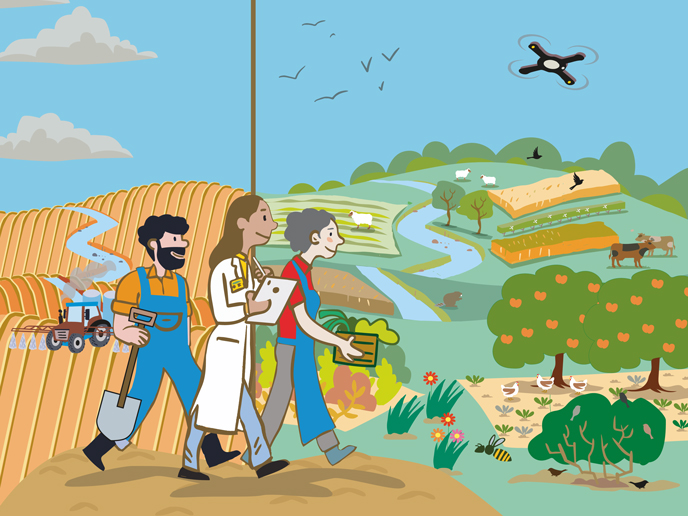
The Power of Agroecology Farming
Agroecology farming is not just a method of agriculture; it is a holistic approach to sustainable food production that prioritises the health of the environment, biodiversity, and communities. Unlike conventional farming practices that rely heavily on chemical inputs and monocultures, agroecology promotes biodiversity, natural ecosystems, and traditional knowledge.
One of the key principles of agroecology is the integration of crops and livestock to create a balanced ecosystem. This practice helps improve soil fertility, reduce pests and diseases, and increase overall farm productivity. By mimicking natural processes and cycles, agroecology farming aims to work with nature rather than against it.
Agroecology also emphasises the importance of local knowledge and community involvement in decision-making processes. Farmers who practice agroecology often collaborate with researchers, policymakers, and other stakeholders to develop sustainable farming systems that are tailored to their specific environments.
Furthermore, agroecology farming promotes social equity by empowering small-scale farmers and promoting food sovereignty. By reducing reliance on external inputs and promoting local food systems, agroecology helps build resilient communities that are less vulnerable to external shocks.
In a world facing environmental challenges such as climate change and biodiversity loss, agroecology offers a promising solution for creating a more sustainable food system. By embracing diversity, resilience, and community collaboration, agroecology farming has the potential to transform agriculture into a regenerative force that nourishes both people and the planet.
Understanding Agroecology: Key Questions on Ecological Farming, Its Processes, and Practices
- What is the meaning of ecological farming?
- What is the difference between agroecology and organic farming?
- What is the agroecology process?
- What are agroecological farming practices?
What is the meaning of ecological farming?
Ecological farming, often referred to as agroecology farming, is a sustainable approach to agriculture that prioritises the health of ecosystems and biodiversity. It involves practices that work in harmony with nature, aiming to enhance soil fertility, conserve water resources, and promote natural pest control methods. Ecological farming focuses on creating a balanced and resilient agricultural system that minimises the use of synthetic inputs and chemicals while maximising the benefits of ecological processes. By integrating traditional knowledge with modern scientific insights, ecological farming seeks to create a more sustainable and regenerative food production system for the benefit of both people and the environment.
What is the difference between agroecology and organic farming?
When considering the difference between agroecology and organic farming, it is essential to understand that while both approaches share a commitment to sustainable agriculture, they differ in their scope and principles. Organic farming primarily focuses on the avoidance of synthetic chemicals and genetically modified organisms (GMOs) in agricultural practices, as well as adhering to specific certification standards. On the other hand, agroecology encompasses a broader perspective that integrates ecological principles, social dynamics, and economic considerations into farming systems. Agroecology emphasises creating resilient ecosystems, promoting biodiversity, and fostering community engagement to achieve sustainable food production. In essence, while organic farming is a specific set of practices guided by regulations, agroecology represents a more comprehensive approach that seeks to transform the entire food system towards sustainability.
What is the agroecology process?
The agroecology process encompasses a holistic approach to farming that integrates ecological principles, traditional knowledge, and sustainable practices to create resilient and productive agricultural systems. It involves the application of biodiversity, natural ecosystems, and locally adapted techniques to enhance soil fertility, manage pests and diseases, and promote overall ecosystem health. By fostering a deep understanding of the interactions between plants, animals, and the environment, the agroecology process aims to create regenerative farming systems that are in harmony with nature and support the well-being of both farmers and communities.
What are agroecological farming practices?
Agroecological farming practices encompass a range of sustainable agricultural methods that prioritise the interconnectedness of ecosystems, biodiversity conservation, and community well-being. These practices involve integrating crops and livestock, promoting natural pest control, enhancing soil health through organic matter and cover cropping, and minimising the use of synthetic inputs. Agroecology emphasises a holistic approach to farming that considers environmental, social, and economic factors to create resilient and regenerative food systems. By adopting agroecological farming practices, farmers can cultivate healthy soils, increase biodiversity on their farms, and contribute to the long-term sustainability of agriculture while promoting food security and community empowerment.