
The Importance of Agriculture Vocational Training
In today’s rapidly changing agricultural landscape, the need for skilled and knowledgeable farmers is more critical than ever. Agriculture vocational training plays a vital role in equipping individuals with the necessary skills to succeed in this dynamic industry.
Hands-On Learning
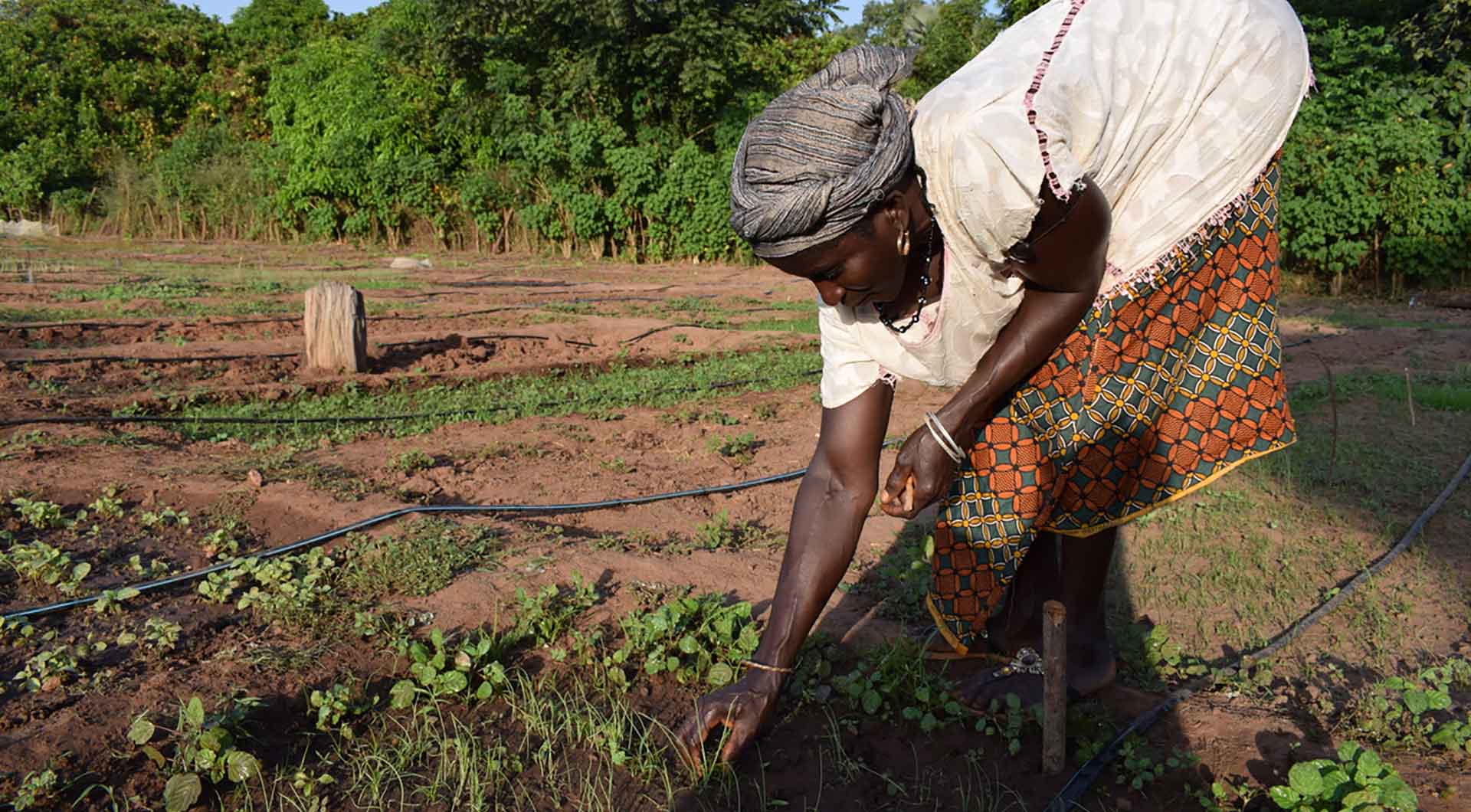
One of the key benefits of agriculture vocational training is its emphasis on hands-on learning. Participants have the opportunity to work directly in the field, gaining practical experience that is invaluable for their future careers. By engaging in activities such as crop cultivation, livestock management, and agricultural machinery operation, trainees develop a deep understanding of agricultural practices.
Specialised Skills Development
Agriculture vocational training programmes are designed to provide participants with specialised skills that are tailored to the needs of the industry. From precision farming techniques to organic agriculture methods, trainees receive comprehensive instruction that prepares them for a variety of roles within the agricultural sector.
Industry-Relevant Knowledge
With advancements in technology and changing market demands, staying up-to-date with industry trends is crucial for success in agriculture. Vocational training programmes often incorporate the latest agricultural innovations and best practices, ensuring that participants are well-equipped to navigate the complexities of modern farming.
Career Opportunities
Completion of an agriculture vocational training programme opens up a wide range of career opportunities in various sectors of the industry. Whether aspiring to become farm managers, agronomists, livestock specialists, or agricultural technicians, individuals with vocational training are highly sought after by employers looking for skilled professionals.
Conclusion
Agriculture vocational training serves as a pathway for individuals to enter and excel in the diverse and rewarding field of agriculture. By providing practical experience, specialised skills development, industry-relevant knowledge, and abundant career opportunities, vocational training programmes play a crucial role in shaping the future of farming and ensuring sustainable agricultural practices for generations to come.
Top FAQs on Pursuing Vocational Training in Agriculture
- Can you do an apprenticeship in agriculture?
- How to study Agriculture for free?
- What is the best vocational course to take?
- What is the best agriculture course for beginners?
- Which course is best for Agriculture?
- What qualifications do you need to work in Agriculture?
Can you do an apprenticeship in agriculture?
Yes, apprenticeships in agriculture are a popular and valuable option for individuals looking to gain practical experience and skills in the field. Agriculture apprenticeships provide hands-on training under the guidance of experienced professionals, allowing apprentices to learn about various aspects of farming, livestock management, crop cultivation, and agricultural machinery operation. By participating in an agriculture apprenticeship, individuals have the opportunity to develop a deep understanding of industry practices while earning a qualification that is recognised within the agricultural sector. This structured learning approach equips apprentices with the necessary knowledge and expertise to pursue a successful career in agriculture.
How to study Agriculture for free?
Studying agriculture for free can be possible through various avenues such as scholarships, grants, and government-funded programmes. Many educational institutions offer scholarships specifically for agriculture students based on academic merit, financial need, or other criteria. Additionally, some organisations and foundations provide grants to support individuals pursuing agricultural education. Government initiatives may also offer free or subsidised vocational training programmes in agriculture to encourage skill development in the sector. By exploring these opportunities and researching available resources, aspiring agriculturalists can access quality education in agriculture without bearing the burden of high costs.
What is the best vocational course to take?
When considering agriculture vocational training, the question of “What is the best vocational course to take?” often arises. The answer to this question depends on individual interests, career goals, and the specific aspects of agriculture one wishes to focus on. Courses in precision farming, sustainable agriculture, agribusiness management, or livestock production are popular choices that offer valuable skills and knowledge relevant to the industry’s current demands. Ultimately, the best vocational course is one that aligns with an individual’s passion for agriculture and provides them with the expertise needed to succeed in their chosen field within the agricultural sector.
What is the best agriculture course for beginners?
When considering the best agriculture course for beginners, it is essential to look for a programme that offers a comprehensive introduction to the fundamentals of farming while also providing practical hands-on experience. Courses that cover topics such as crop cultivation, soil management, livestock care, and agricultural technology can be beneficial for beginners looking to build a strong foundation in agriculture. Additionally, courses that incorporate industry-relevant knowledge and practical skills development tailored to the needs of novice farmers can help individuals gain confidence and expertise in starting their agricultural journey. Choosing a course that combines theoretical learning with practical application can provide beginners with the necessary tools and knowledge to kickstart a successful career in agriculture.
Which course is best for Agriculture?
When considering which course is best for Agriculture, it is important to focus on your specific interests and career goals within the agricultural industry. There are various courses available that cater to different aspects of agriculture, such as agronomy, animal science, agricultural engineering, horticulture, and sustainable farming practices. To determine the best course for you, it is advisable to research the curriculum, faculty expertise, practical training opportunities, and potential career pathways associated with each course. Ultimately, choosing a course that aligns with your passion and future aspirations in agriculture will help you make the most of your educational journey and set a solid foundation for a successful career in the field.
What qualifications do you need to work in Agriculture?
To work in agriculture, the qualifications required can vary depending on the specific role and responsibilities. Generally, a formal education in agriculture or a related field, such as agronomy or agricultural science, is beneficial. Many employers seek candidates with a relevant degree or vocational training in agriculture to demonstrate a solid understanding of farming practices and techniques. Additionally, practical experience through internships, apprenticeships, or hands-on training can also be valuable in gaining the skills needed to succeed in the agricultural industry. Strong communication skills, problem-solving abilities, and a passion for sustainable farming practices are often sought after qualities for individuals looking to embark on a career in agriculture.