
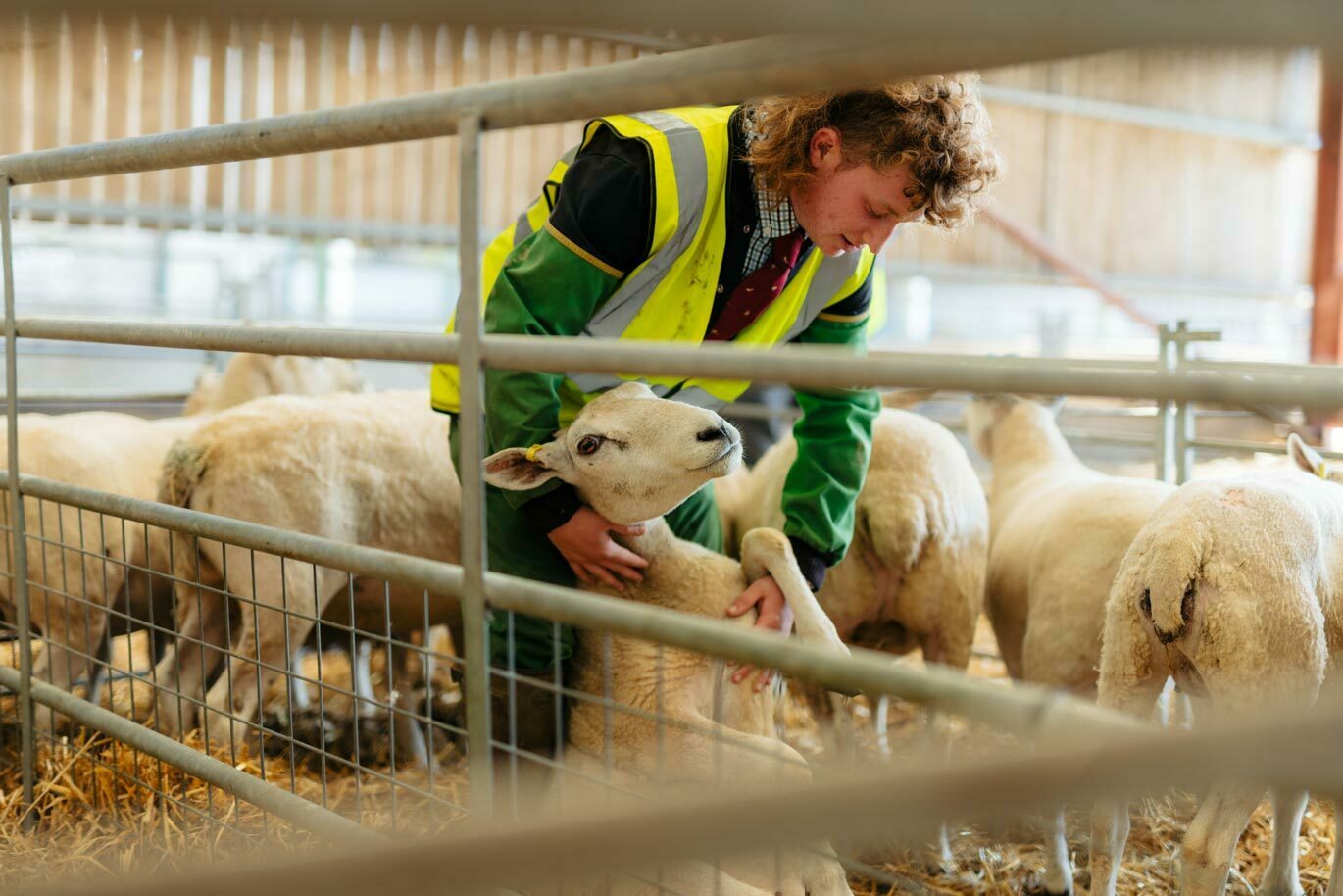
The Importance of Taking a Basic Agriculture Course
Embarking on a journey in agriculture can be both rewarding and challenging. Whether you are a novice looking to start your own farm or someone interested in sustainable practices, enrolling in a basic agriculture course can provide you with essential knowledge and skills to succeed in this field.
Understanding the Fundamentals
Basic agriculture courses cover a wide range of topics, from soil management and crop cultivation to animal husbandry and pest control. By gaining a solid understanding of these fundamentals, you will be better equipped to make informed decisions on your farm and maximise productivity.
Learning Sustainable Practices
In today’s rapidly changing climate, sustainable agriculture practices are more important than ever. A basic agriculture course can introduce you to eco-friendly farming methods that help preserve the environment, conserve resources, and promote biodiversity. By implementing these practices, you can contribute to a healthier planet while running a successful farm.
Networking and Collaboration
One of the key benefits of taking a basic agriculture course is the opportunity to connect with like-minded individuals and industry experts. Building a network within the agricultural community can open doors to new partnerships, collaborations, and mentorship opportunities. By sharing knowledge and experiences with others, you can grow both personally and professionally.
Career Advancement
Whether you are looking to start your own farm or pursue a career in agriculture-related fields, completing a basic agriculture course can enhance your prospects. Employers value candidates who have a strong foundation in agricultural principles and practices. By demonstrating your commitment to learning and professional development, you can stand out in the competitive job market.
Conclusion
Investing time and effort into taking a basic agriculture course is an investment in your future as an agriculturist. By acquiring essential skills, knowledge, and connections through formal education, you can set yourself up for success in the dynamic world of agriculture.
Unlock Your Potential: 8 Benefits of a Basic Agriculture Course for Sustainable Success
- Gain essential knowledge of soil management
- Learn effective crop cultivation techniques
- Understand principles of animal husbandry
- Acquire skills in pest and disease control
- Explore sustainable agriculture practices
- Network with industry experts and like-minded individuals
- Enhance career prospects in agriculture-related fields
- Contribute to environmental conservation efforts
Challenges of Enrolling in a Basic Agriculture Course: Key Considerations
- Limited depth of coverage on advanced agricultural topics
- May not offer hands-on practical experience in farming techniques
- Potential lack of personalised attention in larger class sizes
- Cost associated with enrolling in a basic agriculture course
- Time commitment required to complete the course may be demanding
- Course content may vary in quality and relevance depending on the institution
Gain essential knowledge of soil management
Enrolling in a basic agriculture course provides individuals with the invaluable opportunity to gain essential knowledge of soil management. Understanding soil composition, structure, and fertility is crucial for successful crop cultivation and sustainable farming practices. By learning how to assess and improve soil health, students can enhance crop yields, minimise environmental impact, and promote long-term agricultural productivity. Mastering soil management techniques equips aspiring agriculturists with the foundation needed to make informed decisions that benefit both their farms and the broader ecosystem.
Learn effective crop cultivation techniques
By enrolling in a basic agriculture course, individuals can gain valuable insights into effective crop cultivation techniques. This pro allows learners to understand the science behind plant growth, soil management, irrigation methods, and pest control strategies. Mastering these techniques not only enhances crop yield and quality but also promotes sustainable farming practices that are essential for long-term agricultural success. By learning how to cultivate crops efficiently, students can apply this knowledge to improve productivity on their farms and contribute to the advancement of the agricultural industry.
Understand principles of animal husbandry
Understanding the principles of animal husbandry is a crucial aspect of agriculture that can be gained through a basic agriculture course. By learning about animal care, breeding, nutrition, and health management, individuals can ensure the well-being and productivity of livestock on their farms. This knowledge empowers farmers to make informed decisions regarding animal welfare and sustainable farming practices, ultimately leading to healthier animals and more efficient agricultural operations.
Acquire skills in pest and disease control
By enrolling in a basic agriculture course, individuals have the opportunity to acquire valuable skills in pest and disease control. Understanding how to effectively manage and prevent pests and diseases is crucial for maintaining healthy crops and maximising yields on a farm. Through hands-on training and theoretical knowledge provided in the course, students can learn various methods of pest identification, integrated pest management strategies, and sustainable approaches to controlling diseases. These acquired skills not only help protect crops but also contribute to promoting environmentally friendly practices in agriculture.
Explore sustainable agriculture practices
Exploring sustainable agriculture practices is a key benefit of enrolling in a basic agriculture course. By delving into topics such as organic farming, permaculture, and agroforestry, students gain valuable insights into methods that promote environmental conservation, resource efficiency, and long-term viability. Understanding sustainable practices not only helps farmers minimise their impact on the environment but also enhances the resilience of their operations in the face of changing climate conditions. Through hands-on learning and theoretical knowledge, participants in basic agriculture courses are equipped to implement innovative solutions that contribute to a more sustainable future for agriculture.
Network with industry experts and like-minded individuals
By enrolling in a basic agriculture course, participants have the valuable opportunity to network with industry experts and like-minded individuals within the agricultural community. This networking aspect allows learners to forge connections, seek mentorship, and collaborate on projects with experienced professionals who can offer guidance and insights. Interacting with peers who share a passion for agriculture fosters a supportive environment for knowledge exchange, idea generation, and potential partnerships that can enhance one’s understanding of the industry and open doors to new opportunities.
Enhance career prospects in agriculture-related fields
Completing a basic agriculture course can significantly enhance career prospects in agriculture-related fields. Employers value candidates who possess a strong foundation in agricultural principles and practices, making individuals with formal training stand out in the competitive job market. By demonstrating a commitment to continuous learning and professional development through education, aspiring agriculturists can increase their chances of securing rewarding positions within the dynamic and evolving agricultural industry.
Contribute to environmental conservation efforts
Enrolling in a basic agriculture course offers the significant benefit of contributing to environmental conservation efforts. By learning about sustainable farming practices, soil management techniques, and biodiversity preservation, individuals can play a crucial role in protecting the environment. Understanding how agricultural activities impact ecosystems and natural resources empowers farmers to make informed decisions that minimise negative environmental effects. Through education and implementation of eco-friendly practices, participants in basic agriculture courses actively contribute to the conservation of our planet for future generations.
Limited depth of coverage on advanced agricultural topics
One drawback of a basic agriculture course is its limited depth of coverage on advanced agricultural topics. While these courses provide a solid foundation in fundamental agricultural principles, they may not delve deeply into complex or specialised areas of agriculture. As a result, individuals seeking in-depth knowledge on advanced topics such as precision farming, agroecology, or biotechnology may find basic courses insufficient. To gain expertise in these specialised fields, additional training or advanced coursework may be necessary to complement the foundational knowledge acquired from basic agriculture courses.
May not offer hands-on practical experience in farming techniques
One significant drawback of a basic agriculture course is that it may not always provide hands-on practical experience in farming techniques. While theoretical knowledge is essential, the absence of real-life application can limit the ability of learners to fully grasp and master agricultural practices. Without hands-on training, students may struggle to translate theoretical concepts into practical skills, potentially hindering their readiness to tackle challenges on a real farm. Practical experience plays a crucial role in developing confidence and competence in agricultural tasks, making it a valuable component that should ideally be included in any comprehensive agriculture programme.
Potential lack of personalised attention in larger class sizes
In larger class sizes, one significant con of a basic agriculture course is the potential lack of personalised attention for individual students. With a higher number of students, instructors may find it challenging to address each student’s specific needs and provide tailored guidance. This could lead to some learners feeling overlooked or struggling to receive the necessary support and feedback to fully grasp complex agricultural concepts. As a result, the learning experience may become less engaging and effective for those who require more personalised instruction and assistance in mastering the course material.
Cost associated with enrolling in a basic agriculture course
The primary drawback of enrolling in a basic agriculture course is the financial cost involved. Tuition fees, study materials, and other expenses can pose a significant barrier for individuals looking to pursue education in agriculture. For some aspiring farmers or enthusiasts, the high cost of these courses may deter them from accessing valuable knowledge and skills necessary for success in the field. Additionally, those already facing financial constraints may find it challenging to afford the fees associated with enrolling in a basic agriculture course, limiting their ability to enhance their understanding of agricultural practices and sustainability.
Time commitment required to complete the course may be demanding
The time commitment required to complete a basic agriculture course can be a significant drawback for individuals with busy schedules or other commitments. Balancing coursework, practical training, and assignments alongside existing responsibilities can be challenging and may require careful time management. This demanding aspect of the course could deter some prospective students from enrolling or completing the programme, potentially limiting access to valuable agricultural education for those unable to dedicate substantial time to their studies.
Course content may vary in quality and relevance depending on the institution
One significant drawback of basic agriculture courses is that the quality and relevance of course content can vary significantly depending on the institution offering the programme. Some educational providers may not update their curriculum to reflect current industry trends or may lack experienced faculty members, leading to outdated or less practical teachings. As a result, students may receive inconsistent or inadequate training that does not fully prepare them for the challenges of modern agriculture practices. It is essential for prospective learners to thoroughly research and choose reputable institutions that offer comprehensive and up-to-date agricultural education to ensure they receive valuable and relevant knowledge.