
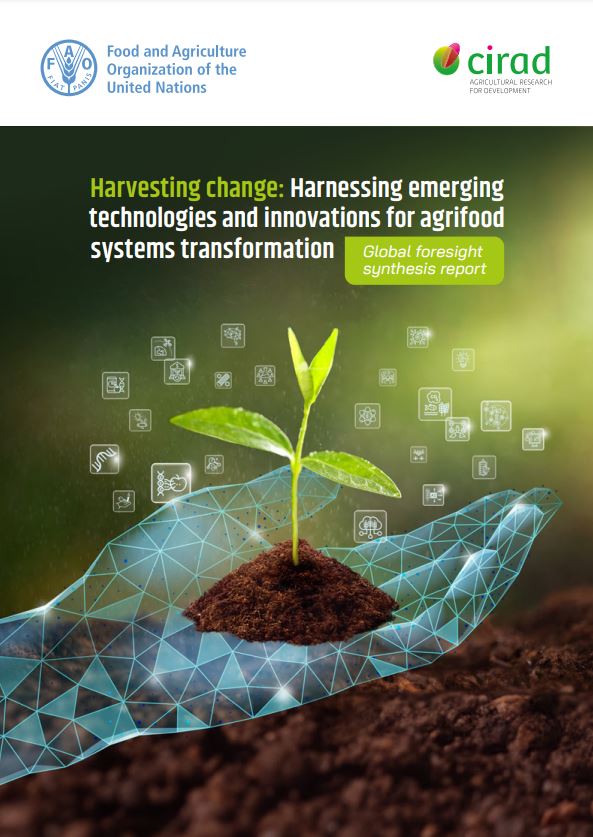
Environment-Friendly Agriculture for Sustainable Development
In recent years, the importance of environment-friendly agriculture has gained significant attention as a key component of sustainable development. With growing concerns about climate change, soil degradation, and water scarcity, it has become imperative to adopt practices that not only ensure food security but also protect the environment for future generations.
The Benefits of Environment-Friendly Agriculture
Environment-friendly agriculture focuses on reducing the negative impact of farming activities on the environment while promoting sustainable practices. Some of the key benefits include:
- Preservation of biodiversity: By avoiding the use of harmful chemicals and promoting natural pest control methods, environment-friendly agriculture helps preserve biodiversity in agricultural landscapes.
- Soil health improvement: Practices such as crop rotation, organic fertilisers, and conservation tillage help maintain soil fertility and structure, reducing erosion and nutrient depletion.
- Water conservation: Efficient irrigation techniques, water recycling systems, and agroforestry contribute to water conservation in agriculture, especially in regions prone to drought.
- Climate change mitigation: Environment-friendly agriculture practices such as agroecology and carbon sequestration help mitigate greenhouse gas emissions and adapt to changing climatic conditions.
Promoting Sustainable Development Through Agriculture
By integrating environment-friendly practices into agricultural systems, we can achieve sustainable development goals that benefit both people and the planet. Sustainable agriculture not only ensures food security but also promotes economic growth, social equity, and environmental stewardship.
Empowering farmers with knowledge about sustainable practices, providing access to resources such as organic inputs and efficient technologies, and creating supportive policies are essential steps towards promoting environment-friendly agriculture for sustainable development.
The Role of Stakeholders
Government agencies, agricultural organisations, research institutions, farmers’ cooperatives, consumers, and international bodies all play a crucial role in advancing environment-friendly agriculture for sustainable development. Collaboration among stakeholders is essential to drive innovation, share best practices, and scale up successful initiatives.
Conclusion
Environment-friendly agriculture is not just a choice but a necessity for building a resilient food system that can withstand environmental challenges. By embracing sustainable practices and working together towards common goals, we can create a future where agriculture thrives in harmony with nature while ensuring the well-being of present and future generations.
Six Sustainable Agriculture Practices for an Eco-Friendly Future
- Practice crop rotation to improve soil health and reduce the need for synthetic fertilizers.
- Use organic farming methods to avoid harmful chemicals and pesticides that can harm the environment.
- Implement water-saving techniques such as drip irrigation to conserve water resources.
- Promote biodiversity by planting a variety of crops to support natural ecosystems and reduce reliance on monoculture.
- Utilize renewable energy sources like solar power for farm operations to reduce carbon emissions.
- Reduce food waste by proper storage, handling, and distribution practices to minimise environmental impact.
Practice crop rotation to improve soil health and reduce the need for synthetic fertilizers.
Implementing crop rotation is a valuable tip in promoting environment-friendly agriculture for sustainable development. By rotating crops in a systematic sequence, farmers can enhance soil health, minimise soil erosion, and reduce the reliance on synthetic fertilisers. This practice helps maintain soil fertility, prevent nutrient depletion, and control pests and diseases naturally. Ultimately, crop rotation not only benefits the environment by promoting biodiversity and reducing chemical inputs but also contributes to long-term agricultural sustainability.
Use organic farming methods to avoid harmful chemicals and pesticides that can harm the environment.
Using organic farming methods is a crucial tip for promoting environment-friendly agriculture and achieving sustainable development goals. By avoiding harmful chemicals and pesticides, organic farming helps protect soil health, preserve biodiversity, and safeguard water resources. Embracing organic practices not only benefits the environment but also ensures the production of healthy and safe food for consumers. By prioritising organic farming methods, farmers can contribute to a more sustainable agricultural system that supports both the planet and human well-being in the long run.
Implement water-saving techniques such as drip irrigation to conserve water resources.
Implementing water-saving techniques such as drip irrigation is a crucial step towards promoting environment-friendly agriculture for sustainable development. By using drip irrigation systems, farmers can efficiently deliver water directly to the roots of plants, minimising wastage and conserving precious water resources. This practice not only helps in reducing water consumption but also contributes to improved crop yields and soil health. Embracing drip irrigation as a sustainable farming method demonstrates a commitment to responsible resource management and plays a significant role in building a more resilient agricultural system that can adapt to changing environmental conditions.
Promote biodiversity by planting a variety of crops to support natural ecosystems and reduce reliance on monoculture.
Promoting biodiversity through planting a variety of crops is a crucial tip for environment-friendly agriculture to achieve sustainable development. By diversifying crop species, farmers can support natural ecosystems, enhance soil health, and reduce the negative impacts of monoculture farming practices. Embracing crop diversity not only fosters resilience against pests and diseases but also improves nutrient cycling and promotes a balanced ecosystem. By incorporating this practice, farmers can create a more sustainable agricultural system that benefits both the environment and their livelihoods in the long run.
Utilize renewable energy sources like solar power for farm operations to reduce carbon emissions.
By utilising renewable energy sources such as solar power for farm operations, farmers can significantly reduce carbon emissions and contribute to environment-friendly agriculture for sustainable development. Embracing solar energy not only helps in cutting greenhouse gas emissions but also promotes energy independence and resilience in agricultural activities. By harnessing the power of the sun, farmers can lower their carbon footprint, mitigate climate change impacts, and pave the way for a more sustainable future in agriculture.
Reduce food waste by proper storage, handling, and distribution practices to minimise environmental impact.
To promote environment-friendly agriculture for sustainable development, it is crucial to focus on reducing food waste through proper storage, handling, and distribution practices. By implementing efficient storage methods, improving handling techniques, and optimising distribution processes, we can minimise the environmental impact caused by food wastage. Not only does this approach help conserve resources and reduce greenhouse gas emissions associated with food production, but it also contributes to a more sustainable and resilient food system that benefits both the environment and society as a whole.