
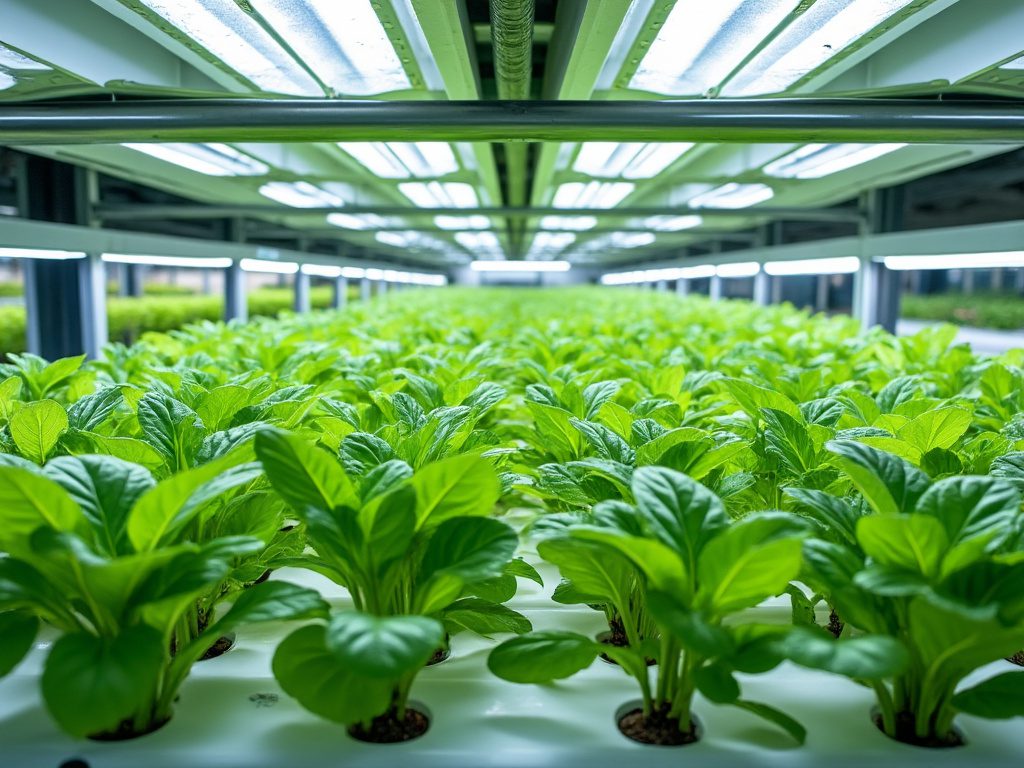
The Future of Agriculture: Hydroponics Sustainable Farming
Hydroponics, a method of growing plants without soil, is revolutionising the agricultural industry with its sustainable farming practices. By using nutrient-rich water solutions to nourish plants directly, hydroponic systems offer numerous environmental benefits that make them a key player in the future of agriculture.
Water Conservation
One of the most significant advantages of hydroponics is its efficient use of water. Traditional soil-based farming methods often lead to water wastage through runoff and evaporation. In contrast, hydroponic systems recirculate water, allowing plants to absorb nutrients effectively while minimising water consumption. This sustainable approach helps conserve this precious resource and reduces the strain on freshwater reserves.
Optimal Resource Utilisation
Hydroponic farming maximises resource efficiency by providing plants with precisely what they need for growth. By controlling nutrient levels and environmental conditions, growers can optimise plant development and minimise waste. This targeted approach not only enhances crop yields but also reduces the reliance on chemical fertilisers and pesticides, promoting a healthier ecosystem.
Year-Round Production
Unlike traditional farming that is often limited by seasonal changes and adverse weather conditions, hydroponics allows for year-round production. By creating controlled environments indoors or in greenhouses, farmers can cultivate crops consistently throughout the year. This continuity in production helps meet consumer demand, stabilise market supply, and reduce food miles associated with transportation.
Space Efficiency
With an increasing global population and urbanisation trends, land availability for agriculture is becoming scarce. Hydroponic systems offer a solution to this challenge by utilising vertical farming techniques and compact designs that require minimal space. By stacking plant beds vertically or using hydroponic towers, farmers can maximise land use efficiency and produce more food in smaller areas.
Sustainability for the Future
In conclusion, hydroponics represents a sustainable farming solution that addresses key environmental concerns while enhancing agricultural productivity. Through its water-saving capabilities, resource efficiency, year-round production potential, and space-saving designs, hydroponic systems are paving the way towards a more sustainable future for agriculture.
Exploring Hydroponics: Environmental Impact, Challenges, Profitability, and Sustainability
- Is hydroponic farming environmentally friendly?
- What are the 5 disadvantages of hydroponics?
- Is hydroponic farming profitable?
- How to make hydroponics sustainable?
Is hydroponic farming environmentally friendly?
When considering the environmental impact of farming practices, the question of whether hydroponic farming is environmentally friendly frequently arises. Hydroponics, with its water-efficient systems, targeted nutrient delivery, and space-saving designs, offers a sustainable approach to agriculture. By minimising water wastage, reducing reliance on chemical inputs, and maximising resource utilisation, hydroponic farming demonstrates a commitment to environmental stewardship. Its ability to produce high yields in controlled environments further contributes to food security while mitigating the ecological footprint associated with traditional farming methods. Overall, hydroponics emerges as an environmentally friendly solution that aligns with the principles of sustainable agriculture.
What are the 5 disadvantages of hydroponics?
When considering the sustainability of hydroponic farming, it is important to acknowledge some potential drawbacks associated with this innovative agricultural method. Five disadvantages of hydroponics include initial setup costs, technical complexity, dependency on electricity for artificial lighting and climate control, susceptibility to system failures that can impact entire crops, and the need for consistent monitoring and maintenance to ensure optimal plant growth. Despite these challenges, proactive management strategies and continuous advancements in technology are helping to address these limitations and improve the overall efficiency and sustainability of hydroponic farming practices.
Is hydroponic farming profitable?
When considering the profitability of hydroponic farming, it is essential to recognise the potential financial benefits that this sustainable agricultural method can offer. While the initial investment in setting up a hydroponic system may be higher compared to traditional farming methods, the long-term returns can be significant. Factors such as higher crop yields, reduced water usage, year-round production capabilities, and space efficiency contribute to the overall profitability of hydroponic farming. Additionally, the growing demand for fresh, locally grown produce presents opportunities for hydroponic farmers to access niche markets and command premium prices for their sustainable and high-quality crops. With proper planning, management, and market research, hydroponic farming has the potential to be a profitable venture that aligns with environmental sustainability goals.
How to make hydroponics sustainable?
To make hydroponics sustainable, several key practices can be implemented. Firstly, using renewable energy sources such as solar power to run hydroponic systems can reduce the carbon footprint associated with traditional energy sources. Secondly, recycling and reusing nutrient solutions can help minimise waste and promote resource efficiency. Additionally, implementing water-saving techniques like drip irrigation and monitoring plant nutrient levels closely to prevent overuse of fertilisers are crucial steps towards sustainability in hydroponic farming. By adopting these sustainable practices and continuously seeking innovative solutions, hydroponic growers can contribute to a more environmentally friendly and efficient agricultural industry.