
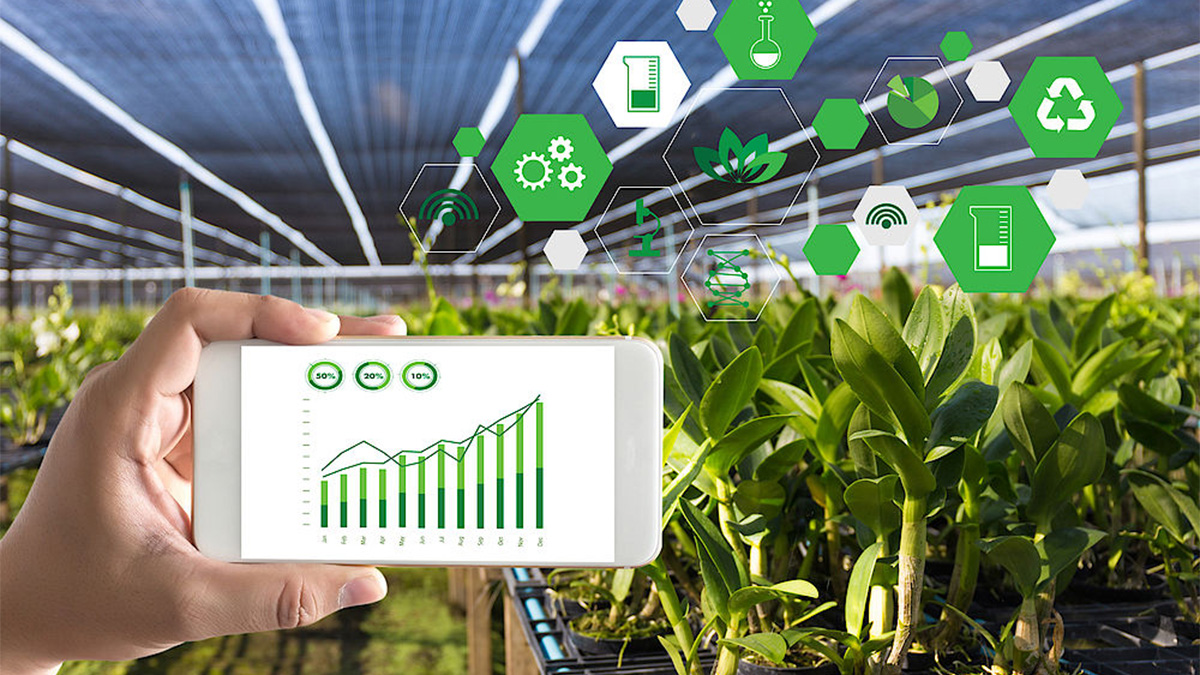
Agriculture 4.0: The Future of Farming Technology
The world of agriculture is undergoing a transformation unlike any seen before. With the advent of Agriculture 4.0, farming is becoming smarter, more efficient, and increasingly sustainable. This new era leverages cutting-edge technologies to address some of the most pressing challenges in agriculture today.
What is Agriculture 4.0?
Agriculture 4.0 refers to the integration of advanced technologies such as the Internet of Things (IoT), artificial intelligence (AI), robotics, and big data analytics into farming practices. These innovations aim to enhance productivity, optimise resource use, and minimise environmental impact.
Key Technologies Driving Agriculture 4.0
Internet of Things (IoT)
The IoT connects various devices and sensors across a farm to collect real-time data on soil conditions, weather patterns, crop health, and more. This data enables farmers to make informed decisions and automate processes for improved efficiency.
Artificial Intelligence (AI)
AI algorithms analyse vast amounts of data collected from IoT devices to provide actionable insights. From predicting crop yields to identifying pest infestations early, AI helps farmers optimise their operations and reduce waste.
Robotics
Robots are increasingly being used for tasks such as planting, harvesting, and weeding. These machines can operate tirelessly and with precision, reducing labour costs and increasing productivity.
Big Data Analytics
Big data analytics involves processing large datasets to uncover patterns and trends that can improve decision-making in agriculture. By understanding these insights, farmers can enhance their strategies for planting schedules, irrigation management, and supply chain logistics.
The Benefits of Agriculture 4.0
- Increased Efficiency: Automation and precision farming techniques lead to higher yields with lower input costs.
- Sustainability: By optimising resource use, Agriculture 4.0 reduces waste and minimises environmental impact.
- Improved Resilience: Advanced technologies help farmers adapt to climate change by providing timely information on weather patterns and potential threats.
- Enhanced Food Security: With increased productivity comes a more stable food supply chain capable of meeting global demand.
The Challenges Ahead
Despite its promise, Agriculture 4.0 faces several challenges that must be addressed for widespread adoption:
- Cost Barriers: The initial investment required for advanced technology can be prohibitive for small-scale farmers.
- Lack of Infrastructure: Many rural areas lack the necessary digital infrastructure to support IoT devices and connectivity.
- Data Privacy Concerns: With increased data collection comes the need for robust security measures to protect sensitive information.
The Road Ahead
Agriculture 4.0 holds immense potential for transforming how food is produced worldwide. As technology continues to evolve at a rapid pace,
it will be essential for stakeholders across the agricultural sector – including governments,
technology providers,
and farmers themselves –
to collaborate in overcoming obstacles
and ensuring that these innovations benefit everyone.
The future looks bright as we move towards smarter farms
,more resilient food systems
,and ultimately,a more sustainable planet.
Agriculture has always been at the heart
of human civilisation;
now,it stands poised once again
to lead us into a new era.
9 Essential Tips for Embracing Agriculture 4.0: The Future of Farming Technology
- Utilize precision farming techniques for efficient use of resources.
- Incorporate IoT devices to monitor and manage farm operations remotely.
- Implement drone technology for aerial surveillance and crop monitoring.
- Adopt automation tools for tasks such as planting, watering, and harvesting.
- Integrate data analytics to make informed decisions and improve productivity.
- Explore vertical farming methods to maximise space and increase yield.
- Embrace genetic engineering for disease-resistant crops and improved livestock breeds.
- Invest in renewable energy sources like solar power for sustainable farming practices.
- Stay updated on emerging technologies to remain competitive in the agricultural industry.
Utilize precision farming techniques for efficient use of resources.
Utilising precision farming techniques is a crucial aspect of Agriculture 4.0, representing the future of farming technology. By harnessing the power of advanced technologies such as IoT and AI, farmers can optimise resource allocation with unprecedented accuracy. This approach not only enhances efficiency but also minimises waste, leading to sustainable agricultural practices that benefit both farmers and the environment.
Incorporate IoT devices to monitor and manage farm operations remotely.
By incorporating IoT devices to monitor and manage farm operations remotely, farmers can revolutionise their approach to agriculture in the era of Agriculture 4.0. These devices enable real-time data collection on crucial aspects such as soil moisture levels, weather conditions, and crop health, empowering farmers to make informed decisions from anywhere at any time. This technology not only enhances efficiency but also promotes sustainability by optimising resource use and minimising waste. The ability to remotely oversee farm operations represents a significant step towards a more connected and technologically advanced farming industry.
Implement drone technology for aerial surveillance and crop monitoring.
Implementing drone technology for aerial surveillance and crop monitoring is a game-changer in Agriculture 4.0. Drones equipped with high-resolution cameras and sensors can provide real-time data on crop health, pest infestations, and irrigation needs. This aerial perspective allows farmers to spot issues early, make informed decisions, and optimise resource allocation. By leveraging drone technology, farmers can enhance productivity, reduce operational costs, and ultimately improve the sustainability of their farming practices.
Adopt automation tools for tasks such as planting, watering, and harvesting.
In the realm of Agriculture 4.0, embracing automation tools for essential farming tasks like planting, watering, and harvesting is pivotal for enhancing efficiency and productivity. By integrating these advanced technologies into daily operations, farmers can streamline processes, reduce manual labour, and achieve more precise outcomes. Automation not only optimises resource utilisation but also allows farmers to focus on strategic decision-making and overall farm management, marking a significant step towards a more sustainable and technologically-driven future in agriculture.
Integrate data analytics to make informed decisions and improve productivity.
By integrating data analytics into farming practices, agriculture 4.0 enables farmers to make informed decisions based on real-time insights. This technological advancement not only enhances productivity but also streamlines operations by optimising resource allocation and identifying areas for improvement. Harnessing the power of data analytics in agriculture paves the way for more efficient and sustainable farming practices, ultimately shaping the future of food production towards greater success and innovation.
Explore vertical farming methods to maximise space and increase yield.
Exploring vertical farming methods is a key strategy in Agriculture 4.0, the future of farming technology. By utilising vertical space effectively, farmers can maximise land use efficiency and significantly increase crop yields. This innovative approach not only addresses the challenge of limited arable land but also promotes sustainable farming practices by reducing water consumption and pesticide use. Vertical farming represents a promising solution to meet the growing demand for food production in a resource-efficient and environmentally friendly manner.
Embrace genetic engineering for disease-resistant crops and improved livestock breeds.
Embracing genetic engineering for disease-resistant crops and improved livestock breeds is a key aspect of Agriculture 4.0, the future of farming technology. By leveraging advancements in genetic modification, farmers can develop crops and livestock that are more resilient to diseases, pests, and environmental stresses. This not only enhances agricultural productivity but also reduces the need for harmful chemical pesticides and antibiotics. Through careful genetic engineering practices, agriculture can achieve sustainable growth while ensuring food security for a growing global population.
Invest in renewable energy sources like solar power for sustainable farming practices.
Investing in renewable energy sources such as solar power is a crucial step towards embracing sustainable farming practices in the era of Agriculture 4.0. By harnessing the power of the sun, farmers can reduce their reliance on fossil fuels, lower operating costs, and minimise their carbon footprint. Solar energy not only provides a clean and renewable source of power for agricultural operations but also contributes to building resilient and environmentally friendly farming systems for the future.
Stay updated on emerging technologies to remain competitive in the agricultural industry.
Staying updated on emerging technologies is crucial to maintaining a competitive edge in the agricultural industry, especially in the era of Agriculture 4.0. By keeping abreast of the latest innovations such as IoT, AI, robotics, and big data analytics, farmers can enhance their productivity, efficiency, and sustainability practices. Embracing these advancements not only improves farm operations but also ensures that farmers are well-equipped to meet the evolving demands of the market and contribute to a more resilient and prosperous agricultural sector.