
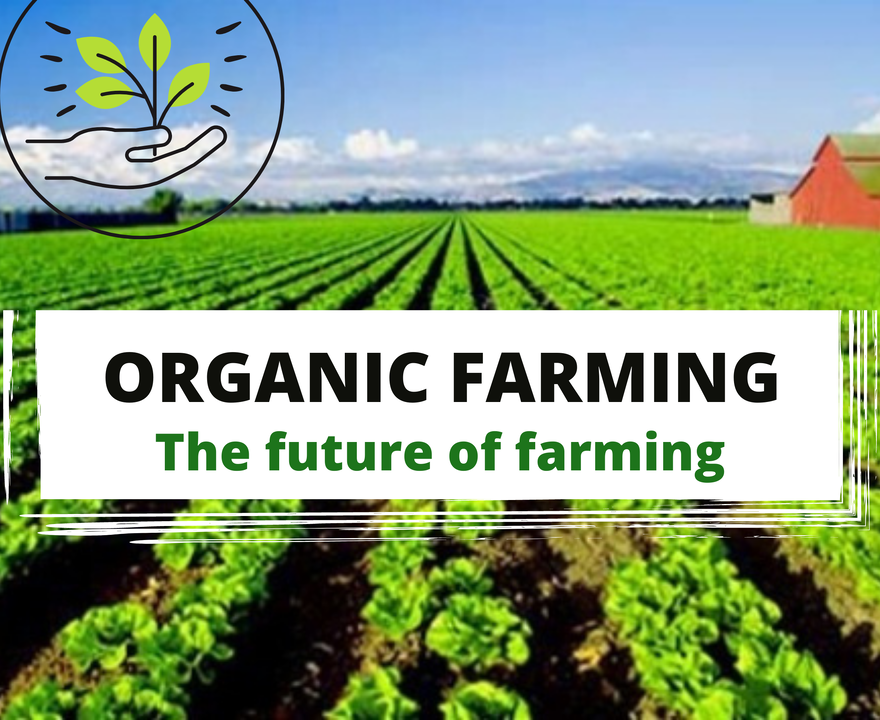
The Sustainability of Organic Agriculture
Organic agriculture is not just a trend but a sustainable farming practice that prioritises environmental conservation, biodiversity, and the well-being of both consumers and farmers. By eschewing synthetic pesticides and fertilisers, organic farming promotes healthier ecosystems and reduces the negative impacts of conventional agriculture on the environment.
One key aspect of organic agriculture’s sustainability is soil health. Organic farmers focus on building and maintaining fertile soil through natural methods such as composting, crop rotation, and cover cropping. Healthy soil not only supports robust plant growth but also sequesters carbon, mitigating climate change.
Furthermore, organic farming practices help preserve biodiversity by avoiding genetically modified organisms (GMOs) and promoting natural pest control methods. By encouraging a diverse range of plants and animals on farms, organic agriculture creates balanced ecosystems that are more resilient to pests and diseases.
In terms of human health, organic agriculture offers numerous benefits. By prohibiting the use of synthetic chemicals in food production, organic farming reduces exposure to harmful residues that can impact consumer health. Additionally, organic foods are often higher in nutrients due to healthier soil conditions.
From an economic standpoint, the sustainability of organic agriculture lies in its long-term viability. While transitioning to organic farming may require initial investments and adjustments, the reduced reliance on external inputs can lead to cost savings over time. Moreover, the growing consumer demand for organic products presents lucrative opportunities for farmers who adopt sustainable practices.
In conclusion, organic agriculture embodies sustainability by promoting environmental stewardship, biodiversity conservation, human health benefits, and economic resilience. As we face increasing challenges related to climate change and food security, embracing organic farming practices can play a crucial role in building a more sustainable future for agriculture.
Understanding Organic Agriculture: The Pillars, Role of Organic Matter, Sustainable Development Goals, and Sustainability
- What are the 4 pillars of organic farming?
- What is the role of organic matter in sustainable agriculture?
- What is organic agriculture and the sustainable development goals?
- How is organic agriculture sustainable?
What are the 4 pillars of organic farming?
Organic farming is founded on four key pillars that define its sustainability and environmental stewardship. These pillars include biodiversity, soil health, ecological balance, and health. Biodiversity in organic farming promotes the coexistence of various plant and animal species, contributing to resilient ecosystems. Soil health is prioritised through natural practices like composting and crop rotation, ensuring fertile soil for sustainable agriculture. Ecological balance emphasises the harmony between farming activities and the surrounding environment. Lastly, organic farming focuses on producing food that is free from synthetic chemicals, promoting human health and well-being. These four pillars form the foundation of organic agriculture’s commitment to sustainability and holistic farming practices.
What is the role of organic matter in sustainable agriculture?
In sustainable agriculture, organic matter plays a crucial role in maintaining soil health and fertility. Organic matter, derived from plant and animal residues, serves as a source of nutrients for crops and helps improve soil structure. By decomposing slowly over time, organic matter releases essential elements such as nitrogen, phosphorus, and potassium, which are vital for plant growth. Additionally, organic matter enhances soil moisture retention, promotes beneficial microbial activity, and reduces erosion. Incorporating organic matter into agricultural practices not only boosts crop productivity but also contributes to long-term sustainability by supporting healthy ecosystems and reducing the need for synthetic inputs.
What is organic agriculture and the sustainable development goals?
Organic agriculture is a farming approach that prioritises natural and sustainable methods to produce food while minimising environmental impact. It avoids the use of synthetic pesticides and fertilisers, focusing instead on practices that promote soil health, biodiversity, and ecosystem balance. When considering the Sustainable Development Goals (SDGs) set by the United Nations, organic agriculture aligns with several key objectives. These include goals related to zero hunger, responsible consumption and production, climate action, life on land, and partnerships for the goals. By embracing organic farming practices, countries can contribute to achieving these SDGs by promoting food security, reducing greenhouse gas emissions, preserving biodiversity, and fostering sustainable agricultural systems for future generations.
How is organic agriculture sustainable?
Organic agriculture is sustainable due to its holistic approach towards farming that prioritises environmental conservation, biodiversity, and the well-being of both ecosystems and communities. By eschewing synthetic pesticides and fertilisers, organic farming practices promote soil health through natural methods like composting, crop rotation, and cover cropping. This focus on nurturing the soil not only supports healthy plant growth but also helps sequester carbon, contributing to climate change mitigation. Additionally, organic agriculture fosters biodiversity by avoiding GMOs and encouraging natural pest control methods, creating balanced ecosystems that are more resilient to pests and diseases. Overall, the sustainability of organic agriculture lies in its commitment to long-term environmental health, human well-being, and economic viability.