
The Future of Agriculture: Sustainable Vertical Farming
In recent years, sustainable vertical farming has emerged as a revolutionary solution to the challenges facing traditional agriculture. By utilising innovative techniques and technologies, vertical farming offers a promising way to produce food in a more sustainable and efficient manner.
What is Vertical Farming?
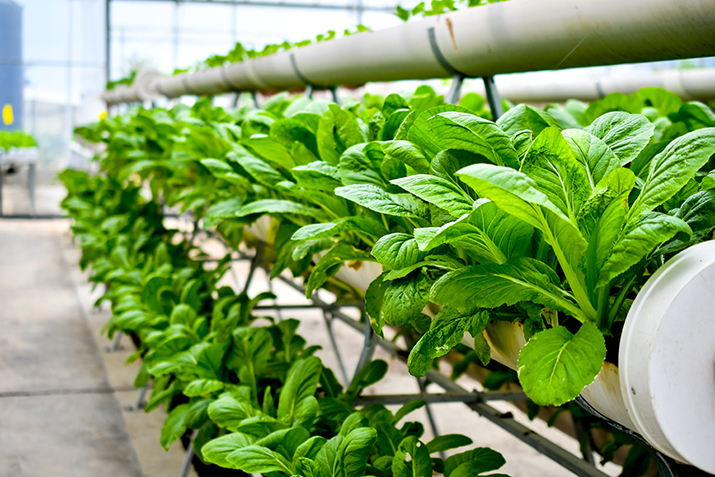
Vertical farming involves growing crops in vertically stacked layers or inclined surfaces, typically within controlled environments such as skyscrapers or shipping containers. This method maximises space utilisation and allows for year-round crop production regardless of external climate conditions.
The Benefits of Sustainable Vertical Farming
One of the key advantages of vertical farming is its minimal environmental impact. By using hydroponic or aeroponic systems, vertical farms can significantly reduce water consumption compared to traditional agriculture. Additionally, the controlled environment minimises the need for pesticides and herbicides, leading to healthier produce.
Vertical farming also offers increased crop yields per square metre compared to conventional farming methods. This high productivity is achieved through optimised lighting, nutrient delivery systems, and precise climate control, resulting in more efficient land use and higher output.
Sustainability and Food Security
As the global population continues to grow, ensuring food security becomes increasingly critical. Sustainable vertical farming presents a viable solution to this challenge by producing fresh produce closer to urban centres, reducing transportation costs and carbon emissions associated with long-distance food supply chains.
Furthermore, vertical farms can be established in areas where arable land is limited or degraded, offering opportunities for local food production and reducing dependence on imported goods. This decentralised approach enhances food resilience and promotes self-sufficiency within communities.
The Future Outlook
With advancements in technology and increasing awareness of environmental issues, sustainable vertical farming is poised to play a significant role in shaping the future of agriculture. By promoting resource efficiency, reducing waste, and enhancing food quality, vertical farms offer a sustainable alternative that aligns with the principles of eco-friendly farming practices.
As we look towards a more sustainable future, embracing innovative solutions like vertical farming can help address the challenges of food security, climate change, and agricultural sustainability. By harnessing the potential of vertical farming, we can cultivate a greener and more resilient agricultural landscape for generations to come.
Seven Essential Tips for Sustainable Vertical Farming Practices
- Utilize energy-efficient LED lighting to reduce electricity consumption.
- Implement a closed-loop water system to minimize water wastage.
- Use organic and locally sourced nutrients for plant growth.
- Optimize space by growing crops vertically to increase yield per square metre.
- Incorporate automation technology for efficient monitoring and control of the farming environment.
- Consider using renewable energy sources such as solar power to further reduce carbon footprint.
- Regularly monitor and adjust environmental conditions to ensure optimal plant growth and resource efficiency.
Utilize energy-efficient LED lighting to reduce electricity consumption.
By utilising energy-efficient LED lighting in sustainable vertical farming practices, farmers can significantly reduce electricity consumption while providing optimal light conditions for plant growth. LED lights consume less energy compared to traditional lighting sources, resulting in lower operational costs and a reduced carbon footprint. This eco-friendly approach not only promotes sustainability but also contributes to the overall efficiency and productivity of vertical farms, making it a key strategy for sustainable agriculture in the future.
Implement a closed-loop water system to minimize water wastage.
Implementing a closed-loop water system is a crucial tip for sustainable vertical farming. By recycling and reusing water within the system, farmers can significantly reduce water wastage and promote efficient resource management. This approach not only conserves water but also minimises the environmental impact of farming operations. By incorporating a closed-loop water system, vertical farms can enhance their sustainability practices and contribute to a more eco-friendly agricultural industry.
Use organic and locally sourced nutrients for plant growth.
To promote sustainable vertical farming practices, it is advisable to utilise organic and locally sourced nutrients for plant growth. By opting for organic fertilisers and nutrient solutions derived from local sources, vertical farms can reduce their environmental footprint and support the health of both crops and ecosystems. Using organic nutrients not only enhances the nutritional value of produce but also minimises the reliance on synthetic chemicals, contributing to a more eco-friendly farming approach. Additionally, sourcing nutrients locally helps to reduce transportation emissions and supports the regional economy, fostering a more sustainable food production system overall.
Optimize space by growing crops vertically to increase yield per square metre.
To enhance productivity and maximise land utilisation in sustainable vertical farming, it is crucial to adopt vertical growing techniques that allow crops to be cultivated upwards in stacked layers. By optimising space through vertical growth, farmers can significantly increase the yield per square metre of cultivated area. This efficient use of space not only boosts productivity but also promotes resource conservation, making sustainable vertical farming a viable solution for addressing food security and environmental sustainability challenges.
Incorporate automation technology for efficient monitoring and control of the farming environment.
To enhance the sustainability of vertical farming practices, it is advisable to incorporate automation technology for efficient monitoring and control of the farming environment. By utilising automated systems to regulate factors such as temperature, humidity, lighting, and nutrient delivery, farmers can optimise crop growth conditions and reduce resource wastage. Automation technology not only improves operational efficiency but also enables real-time monitoring and adjustment, ensuring that crops receive the precise conditions they need for healthy growth. This proactive approach to environmental control contributes to sustainable vertical farming by minimising energy consumption, enhancing crop yields, and promoting overall resource efficiency.
Consider using renewable energy sources such as solar power to further reduce carbon footprint.
When implementing sustainable vertical farming practices, it is advisable to consider incorporating renewable energy sources like solar power into the system. By harnessing the energy from the sun, vertical farms can further reduce their carbon footprint and dependency on non-renewable resources. Utilising solar power not only helps to lower operating costs but also contributes to a more environmentally friendly and sustainable farming operation. This integration of renewable energy aligns with the principles of eco-conscious agriculture and underscores the commitment to minimising environmental impact in vertical farming practices.
Regularly monitor and adjust environmental conditions to ensure optimal plant growth and resource efficiency.
To achieve sustainable vertical farming practices, it is crucial to regularly monitor and adjust environmental conditions to promote optimal plant growth and resource efficiency. By closely monitoring factors such as lighting, temperature, humidity, and nutrient levels, farmers can create an ideal growing environment for crops. This proactive approach not only maximises plant productivity but also minimises resource wastage, contributing to a more sustainable and efficient vertical farming system. Adjusting environmental conditions in real-time based on plant needs ensures that resources are utilised effectively, resulting in healthier crops and improved overall sustainability of the vertical farm.