
The Sustainable Future of Agriculture: Vertical Farming
Vertical farming is revolutionising the way we grow crops by stacking layers of plants in vertical structures, using controlled environments to maximise efficiency and sustainability. This innovative approach to agriculture offers numerous benefits that address key challenges faced by traditional farming methods.
Water Conservation
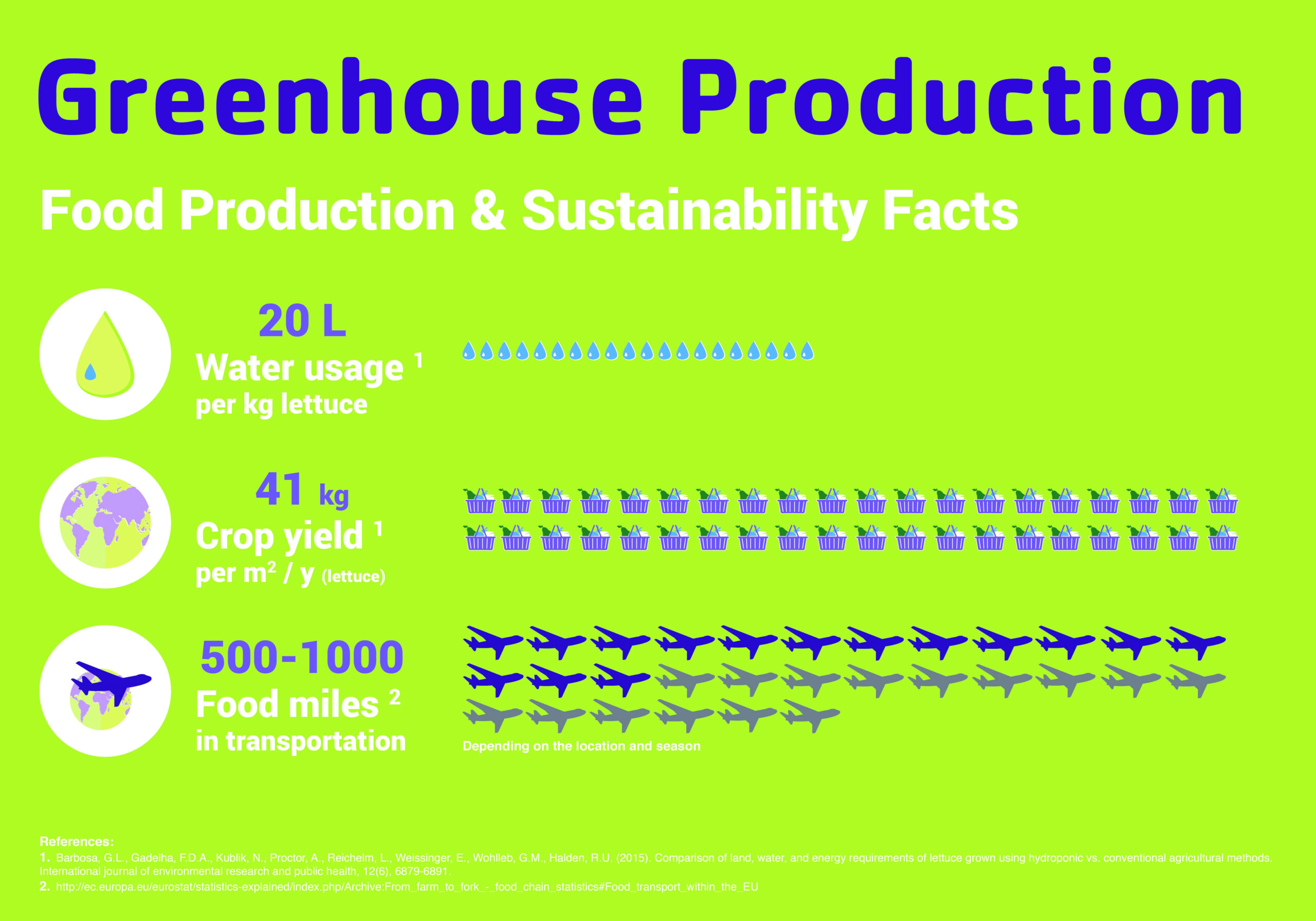
One of the major advantages of vertical farming is its efficient use of water. By employing hydroponic or aeroponic systems, where plants are grown in nutrient-rich water solutions or mist environments, vertical farms can reduce water usage by up to 90% compared to conventional farming. This not only conserves a precious resource but also minimises water pollution from agricultural runoff.
Land Utilisation
Vertical farming maximises land utilisation by growing crops upwards instead of outwards. This vertical stacking allows for higher crop yields in smaller spaces, making it ideal for urban areas where arable land is limited. By utilising abandoned buildings or repurposing industrial spaces, vertical farms can transform underutilised areas into productive agricultural hubs.
Energy Efficiency
With advancements in LED lighting and climate control technology, vertical farms can optimise energy usage and reduce reliance on fossil fuels. By customising light spectrum and intensity to match plant growth stages, vertical farming minimises energy wastage and ensures plants receive the right amount of light for photosynthesis. Additionally, the controlled environment within vertical farms reduces the need for pesticides and herbicides, further enhancing sustainability.
Fresh Produce Accessibility
Vertical farming brings fresh produce closer to urban populations, reducing food miles and carbon emissions associated with transportation. By cultivating crops locally, consumers have access to nutritious fruits and vegetables that are harvested at peak freshness. This not only supports a healthier lifestyle but also promotes food security by reducing dependence on imports.
The Future of Agriculture
As the global population continues to grow, sustainable agricultural practices like vertical farming will play a crucial role in meeting food demand while preserving natural resources. By embracing innovation and technology, we can create a more sustainable future for agriculture that benefits both people and the planet.
Enhancing Vertical Farming Sustainability: 9 Essential Tips for Eco-Friendly Practices
- Use energy-efficient LED lights to reduce electricity consumption.
- Implement a closed-loop system to efficiently manage water usage and reduce waste.
- Utilize renewable energy sources such as solar power to decrease reliance on non-renewable resources.
- Optimize plant spacing and layout to maximize sunlight exposure for better growth.
- Integrate natural pest control methods like beneficial insects to minimise the need for pesticides.
- Recycle organic waste into compost to enrich soil fertility and promote sustainable farming practices.
- Monitor and control indoor temperature and humidity levels for optimal plant health and reduced energy consumption.
- Select locally sourced seeds and materials to support the local economy and reduce carbon footprint from transportation.
- Engage in community outreach and education initiatives to raise awareness about vertical farming benefits and sustainability.
Use energy-efficient LED lights to reduce electricity consumption.
To enhance sustainability in vertical farming, employing energy-efficient LED lights is essential to minimise electricity consumption. LED lights offer a significant advantage over traditional lighting systems by providing targeted illumination tailored to plant growth needs, thereby reducing energy wastage. By utilising LED technology, vertical farms can operate more efficiently, lower their carbon footprint, and contribute to a greener agricultural industry.
Implement a closed-loop system to efficiently manage water usage and reduce waste.
Implementing a closed-loop system in vertical farming is a sustainable practice that can significantly enhance water management and minimise waste. By recycling and reusing water within the system, vertical farms can reduce water consumption and prevent excess runoff, contributing to overall water conservation efforts. This approach not only promotes efficiency in resource usage but also helps create a more environmentally friendly and self-sustaining farming operation.
Utilize renewable energy sources such as solar power to decrease reliance on non-renewable resources.
By utilising renewable energy sources like solar power, vertical farming can significantly reduce its dependence on non-renewable resources. Implementing solar panels to generate electricity for lighting, heating, and other operational needs not only decreases the carbon footprint of vertical farms but also promotes sustainability by harnessing clean and abundant energy from the sun. This shift towards renewable energy aligns with the core principles of vertical farming sustainability, fostering a greener and more environmentally conscious approach to agricultural production.
Optimize plant spacing and layout to maximize sunlight exposure for better growth.
To enhance sustainability in vertical farming, it is essential to optimise plant spacing and layout to maximise sunlight exposure, thereby promoting better growth and productivity. By strategically arranging plants to receive adequate sunlight throughout the day, vertical farms can harness the natural energy source efficiently, reducing the reliance on artificial lighting and lowering energy consumption. This practice not only fosters healthier plant development but also contributes to overall resource conservation and environmental stewardship within the agricultural industry.
Integrate natural pest control methods like beneficial insects to minimise the need for pesticides.
Integrating natural pest control methods, such as introducing beneficial insects, is a sustainable practice in vertical farming that helps minimise the reliance on pesticides. By harnessing the power of these beneficial insects, vertical farms can effectively manage pest populations without harming the environment or compromising crop quality. This holistic approach not only promotes biodiversity within the farming ecosystem but also reduces chemical inputs, making vertical farming more environmentally friendly and sustainable in the long run.
Recycle organic waste into compost to enrich soil fertility and promote sustainable farming practices.
Recycling organic waste into compost is a valuable tip for enhancing sustainability in vertical farming. By converting kitchen scraps, plant trimmings, and other organic materials into nutrient-rich compost, farmers can enrich the soil fertility of their vertical farms. This practice not only reduces waste sent to landfills but also promotes a circular economy within the farming system. Utilising compost as a natural fertiliser helps improve soil structure, retain moisture, and enhance plant health, leading to healthier crops and sustainable farming practices that benefit both the environment and agricultural productivity.
Monitor and control indoor temperature and humidity levels for optimal plant health and reduced energy consumption.
To ensure optimal plant health and minimise energy consumption in vertical farming, it is essential to closely monitor and regulate indoor temperature and humidity levels. Maintaining the right environmental conditions not only promotes the well-being of crops but also enhances energy efficiency within the vertical farm. By carefully controlling temperature and humidity, farmers can create a conducive growing environment that maximises plant growth while conserving resources. This proactive approach to managing indoor conditions is key to sustainable vertical farming practices that prioritise both plant vitality and eco-friendly operations.
Select locally sourced seeds and materials to support the local economy and reduce carbon footprint from transportation.
Selecting locally sourced seeds and materials for vertical farming is a sustainable practice that not only supports the local economy but also helps reduce the carbon footprint associated with transportation. By choosing seeds that are adapted to the local climate and sourcing materials from nearby suppliers, vertical farmers can promote regional agriculture, strengthen community resilience, and lower greenhouse gas emissions from long-distance transportation. This conscious decision to prioritise local resources in vertical farming contributes to a more sustainable and environmentally friendly food production system.
Engage in community outreach and education initiatives to raise awareness about vertical farming benefits and sustainability.
Engaging in community outreach and education initiatives is a vital step towards promoting the benefits and sustainability of vertical farming. By raising awareness about this innovative farming method, we can educate the public about its water-saving capabilities, land efficiency, energy conservation, and accessibility to fresh produce. Through collaborative efforts with local communities, we can inspire others to embrace vertical farming as a sustainable solution for future food production. By sharing knowledge and fostering understanding, we can work together towards building a more environmentally conscious and resilient agricultural system.