
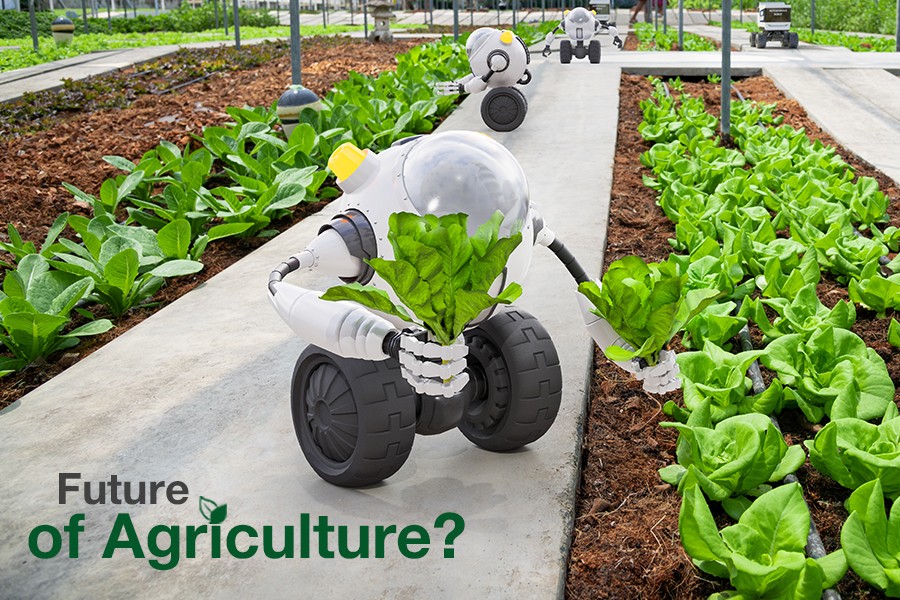
The Future of Agriculture
In a rapidly changing world where environmental concerns and food security are becoming increasingly critical, agriculture stands at the forefront of innovation and sustainability. As we look towards the future, it is clear that agriculture will play a pivotal role in shaping our world for generations to come.
Sustainable Practices
One of the key reasons why agriculture is the future lies in the adoption of sustainable practices. With a growing global population and limited natural resources, it is essential for farmers to embrace methods that promote long-term environmental health and productivity. Sustainable agriculture not only preserves the land for future generations but also ensures food security and economic stability.
Technological Advancements
The integration of technology into agriculture has revolutionised the way we farm. From precision farming techniques to automated machinery, technological advancements have increased efficiency, productivity, and sustainability in agriculture. Innovations such as drones, IoT sensors, and data analytics are enabling farmers to make informed decisions and optimise their operations like never before.
Adapting to Climate Change
Climate change poses significant challenges to agricultural production worldwide. Rising temperatures, erratic weather patterns, and extreme events threaten crop yields and livelihoods. To mitigate these risks, farmers are adopting climate-smart practices that enhance resilience and reduce greenhouse gas emissions. By embracing climate-resilient crops, water-saving irrigation systems, and agroforestry techniques, agriculture is adapting to a changing climate.
Feeding a Growing Population
As the global population continues to increase, agriculture faces the crucial task of feeding billions of people while minimising its impact on the environment. Through sustainable intensification and diversified farming systems, agriculture can meet the growing demand for food without compromising natural resources. By promoting biodiversity, reducing food waste, and improving distribution networks, agriculture can ensure food security for future generations.
Conclusion
Agriculture is not just about growing crops; it embodies our connection to the land, our responsibility to future generations, and our ability to innovate in the face of challenges. As we look ahead to the future of agriculture, it is clear that sustainable practices, technological advancements, climate resilience, and food security will be at the forefront of shaping a more sustainable and prosperous world.
Nine Essential Strategies for a Sustainable Future in Agriculture
- Implement sustainable farming practices to protect the environment.
- Invest in research and technology for improved agricultural productivity.
- Promote organic farming methods to meet the growing demand for organic produce.
- Encourage young people to pursue careers in agriculture through education and training programmes.
- Diversify crops and livestock to ensure food security and resilience against climate change.
- Collaborate with local communities to support small-scale farmers and promote inclusive growth.
- Utilise precision agriculture techniques for efficient resource management and higher yields.
- Explore vertical farming and hydroponics as innovative solutions for urban agriculture.
- Embrace agroforestry practices to enhance biodiversity, soil health, and carbon sequestration.
Implement sustainable farming practices to protect the environment.
Implementing sustainable farming practices is crucial for the future of agriculture as it not only ensures the long-term health and productivity of the land but also plays a vital role in protecting the environment. By adopting methods that promote soil health, reduce chemical inputs, and conserve water resources, farmers can minimise their ecological footprint and contribute to biodiversity conservation. Sustainable farming practices help mitigate climate change impacts, enhance resilience to environmental challenges, and support a more balanced ecosystem. Embracing sustainability in agriculture is key to safeguarding our natural resources for future generations while meeting the increasing global demand for food.
Invest in research and technology for improved agricultural productivity.
Investing in research and technology is crucial for enhancing agricultural productivity and ensuring a sustainable future for the industry. By funding innovative research initiatives and adopting cutting-edge technologies, farmers can improve efficiency, reduce waste, and enhance crop yields. Embracing advancements such as precision farming, genetic engineering, and data analytics enables farmers to make informed decisions and optimise their operations. This commitment to research and technology not only benefits individual farmers but also contributes to the overall resilience and sustainability of agriculture as we move towards a more productive and environmentally conscious future.
Promote organic farming methods to meet the growing demand for organic produce.
To meet the escalating demand for organic produce, promoting organic farming methods is crucial for the future of agriculture. By encouraging sustainable practices such as crop rotation, natural pest control, and composting, farmers can cultivate high-quality organic crops while preserving soil health and biodiversity. Embracing organic farming not only addresses consumer preferences for healthier and environmentally friendly food but also contributes to long-term sustainability in agriculture by reducing chemical inputs and promoting ecosystem balance.
Encourage young people to pursue careers in agriculture through education and training programmes.
Encouraging young people to pursue careers in agriculture through education and training programmes is crucial for shaping the future of the industry. By providing the youth with access to relevant knowledge, skills, and hands-on experience, we not only empower them to become successful farmers but also cultivate a new generation of agricultural innovators. Through targeted educational initiatives and practical training opportunities, we can inspire young individuals to embrace the challenges and opportunities that agriculture offers, ensuring a sustainable and prosperous future for the sector.
Diversify crops and livestock to ensure food security and resilience against climate change.
Diversifying crops and livestock is a crucial strategy in ensuring food security and building resilience against the impacts of climate change. By cultivating a variety of crops and raising different types of livestock, farmers can mitigate the risks associated with changing environmental conditions. Diverse farming systems are more adaptable to fluctuations in weather patterns, pests, and diseases, reducing the vulnerability of agricultural production to external threats. Additionally, crop and livestock diversity can enhance soil health, promote biodiversity, and provide a wider range of nutrients to support both human consumption and ecosystem sustainability. Embracing diversity in agriculture not only safeguards food availability but also contributes to a more resilient and sustainable farming future.
Collaborate with local communities to support small-scale farmers and promote inclusive growth.
Collaborating with local communities to support small-scale farmers is a crucial step towards ensuring the future sustainability of agriculture. By fostering partnerships and inclusivity, we can empower small-scale farmers with the resources and knowledge they need to thrive. This collaborative approach not only enhances the livelihoods of farmers but also contributes to the overall growth and resilience of local communities. Through shared expertise, support networks, and access to markets, we can create a more inclusive agricultural sector that benefits everyone involved.
Utilise precision agriculture techniques for efficient resource management and higher yields.
Utilising precision agriculture techniques is paramount in shaping the future of agriculture. By harnessing data-driven insights and advanced technologies, farmers can optimise resource management, enhance crop productivity, and minimise environmental impact. Precision agriculture allows for targeted application of inputs such as water, fertilisers, and pesticides, leading to higher yields and improved sustainability. Embracing these innovative practices not only boosts efficiency but also paves the way for a more sustainable and productive agricultural sector that can meet the demands of a growing population while safeguarding our natural resources for future generations.
Explore vertical farming and hydroponics as innovative solutions for urban agriculture.
Vertical farming and hydroponics represent innovative solutions that hold great promise for the future of urban agriculture. By utilising vertical space and soilless growing techniques, these methods offer efficient ways to produce food in urban environments where land is limited. Vertical farming allows crops to be stacked vertically, maximising space and increasing yields, while hydroponics enables plants to grow in nutrient-rich water solutions, conserving water and reducing environmental impact. Embracing these technologies not only addresses the challenges of urbanisation but also promotes sustainable food production for growing populations.
Embrace agroforestry practices to enhance biodiversity, soil health, and carbon sequestration.
Embracing agroforestry practices is a crucial step towards ensuring the future sustainability of agriculture. By integrating trees and shrubs into farming systems, farmers can enhance biodiversity, improve soil health, and promote carbon sequestration. Agroforestry not only provides habitat for diverse plant and animal species but also helps to prevent soil erosion, increase nutrient retention, and reduce greenhouse gas emissions. By incorporating agroforestry into agricultural practices, farmers can create resilient and productive ecosystems that benefit both the environment and agricultural productivity in the long term.