
Vertical Farming: An Eco-Friendly Agricultural Solution
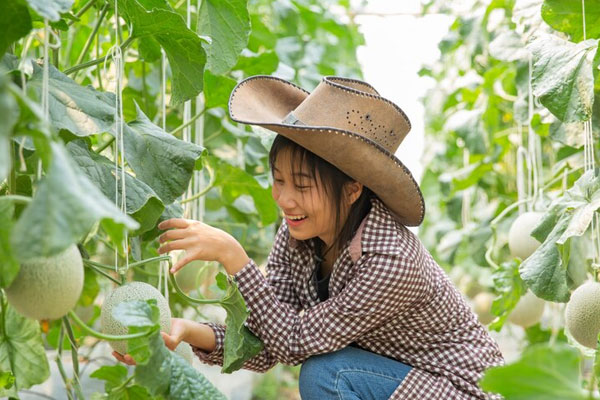
Vertical farming is revolutionising the way we grow crops by providing a sustainable and eco-friendly alternative to traditional agricultural practices. By utilising vertical space in controlled environments, this innovative method offers numerous environmental benefits that can help address pressing issues such as food security and climate change.
Reduced Land Usage
One of the key advantages of vertical farming is its ability to maximise space efficiency. Traditional agriculture requires vast expanses of land for cultivation, leading to deforestation and habitat destruction. In contrast, vertical farms stack crops vertically in layers, allowing for higher crop yields in a smaller footprint. This reduction in land usage helps preserve natural habitats and biodiversity.
Water Conservation
Vertical farming employs advanced irrigation systems that deliver water directly to the roots of plants. This targeted approach minimises water wastage compared to traditional farming methods, where water can be lost through evaporation or runoff. By conserving water resources, vertical farming helps mitigate water scarcity issues and promotes sustainable water management practices.
Energy Efficiency
Vertical farms are often equipped with energy-efficient LED lighting systems that provide optimal light conditions for plant growth. These lighting solutions consume less energy than traditional agricultural lighting methods such as high-pressure sodium lamps. Additionally, vertical farms can implement renewable energy sources such as solar panels to further reduce their carbon footprint and reliance on fossil fuels.
Pesticide-Free Cultivation
In a controlled environment like a vertical farm, pest infestations can be managed without the need for harmful pesticides. Integrated pest management techniques and biocontrol methods can be employed to maintain crop health naturally. By eliminating the use of synthetic pesticides, vertical farming promotes healthier produce and reduces chemical contamination of soil and water sources.
Year-Round Production
Vertical farming allows for consistent crop production throughout the year regardless of seasonal changes or adverse weather conditions. By controlling factors such as temperature, humidity, and light exposure indoors, farmers can cultivate crops continuously without being limited by external environmental factors. This year-round production capability enhances food security and reduces reliance on imported produce.
In conclusion, vertical farming represents a sustainable and eco-friendly approach to agriculture that addresses various environmental challenges facing our planet today. By embracing this innovative method, we can promote resource efficiency, reduce environmental impact, and contribute towards building a more resilient food system for future generations.
Exploring the Eco-Friendliness of Vertical Farming: Addressing Common Questions
- Is vertical farming really sustainable?
- Is vertical farming produce healthy?
- What is the biggest problem with vertical farming?
- Which country is 100% organic?
- Which type of farming is most eco-friendly?
Is vertical farming really sustainable?
Vertical farming has gained attention for its potential to revolutionise agriculture and address sustainability challenges. While the concept of vertical farming offers numerous eco-friendly benefits, the question of its overall sustainability remains a topic of debate. Proponents argue that vertical farming’s efficient use of space, reduced water consumption, and controlled environment contribute to its sustainability. However, critics raise concerns about the energy-intensive nature of indoor farming and the environmental impact of manufacturing vertical farming infrastructure. To determine the true sustainability of vertical farming, ongoing research and innovation are essential to address these complexities and maximise its positive environmental impact in the long term.
Is vertical farming produce healthy?
Vertical farming produce is known for its high quality and nutritional value, making it a healthy choice for consumers. The controlled environment of vertical farms allows for precise monitoring of factors such as light, water, and nutrients, resulting in crops that are free from pesticides and contaminants. With optimal growing conditions and advanced cultivation techniques, vertical farming produces fresh and flavourful fruits and vegetables that are rich in vitamins and minerals. Consumers can enjoy peace of mind knowing that the produce from vertical farms is not only eco-friendly but also promotes health and well-being.
What is the biggest problem with vertical farming?
One of the biggest challenges associated with vertical farming is the initial high setup costs involved in establishing and maintaining vertical farming facilities. The investment required for infrastructure, technology, and specialised equipment can be substantial, making it a barrier for many farmers, especially small-scale producers. Additionally, the energy consumption of artificial lighting and climate control systems in vertical farms can contribute to operational expenses. Despite these challenges, ongoing advancements in technology and increased awareness of the environmental benefits of vertical farming are helping to address these issues and make this innovative agricultural method more accessible and sustainable in the long run.
Which country is 100% organic?
The concept of a country being 100% organic in terms of agriculture is a complex and evolving idea. While several countries have made significant strides towards promoting organic farming practices and reducing the use of synthetic chemicals in agriculture, achieving complete organic status on a national scale is challenging. Countries like Denmark, Austria, and Switzerland are known for their strong commitment to organic farming, with a significant portion of their agricultural land dedicated to organic production. However, the idea of a country being entirely 100% organic in all aspects of agriculture remains an aspirational goal that requires continuous efforts and support from both policymakers and farmers to promote sustainable and eco-friendly agricultural practices.
Which type of farming is most eco-friendly?
When considering eco-friendliness in farming practices, vertical farming emerges as one of the most sustainable options available today. Vertical farming’s innovative approach to cultivation maximises space efficiency, reduces land usage, conserves water resources, promotes energy efficiency through advanced lighting systems, and enables pesticide-free cultivation in controlled environments. By offering year-round production capabilities and minimising environmental impact, vertical farming stands out as a leading eco-friendly agricultural solution that addresses key sustainability challenges in modern agriculture.