
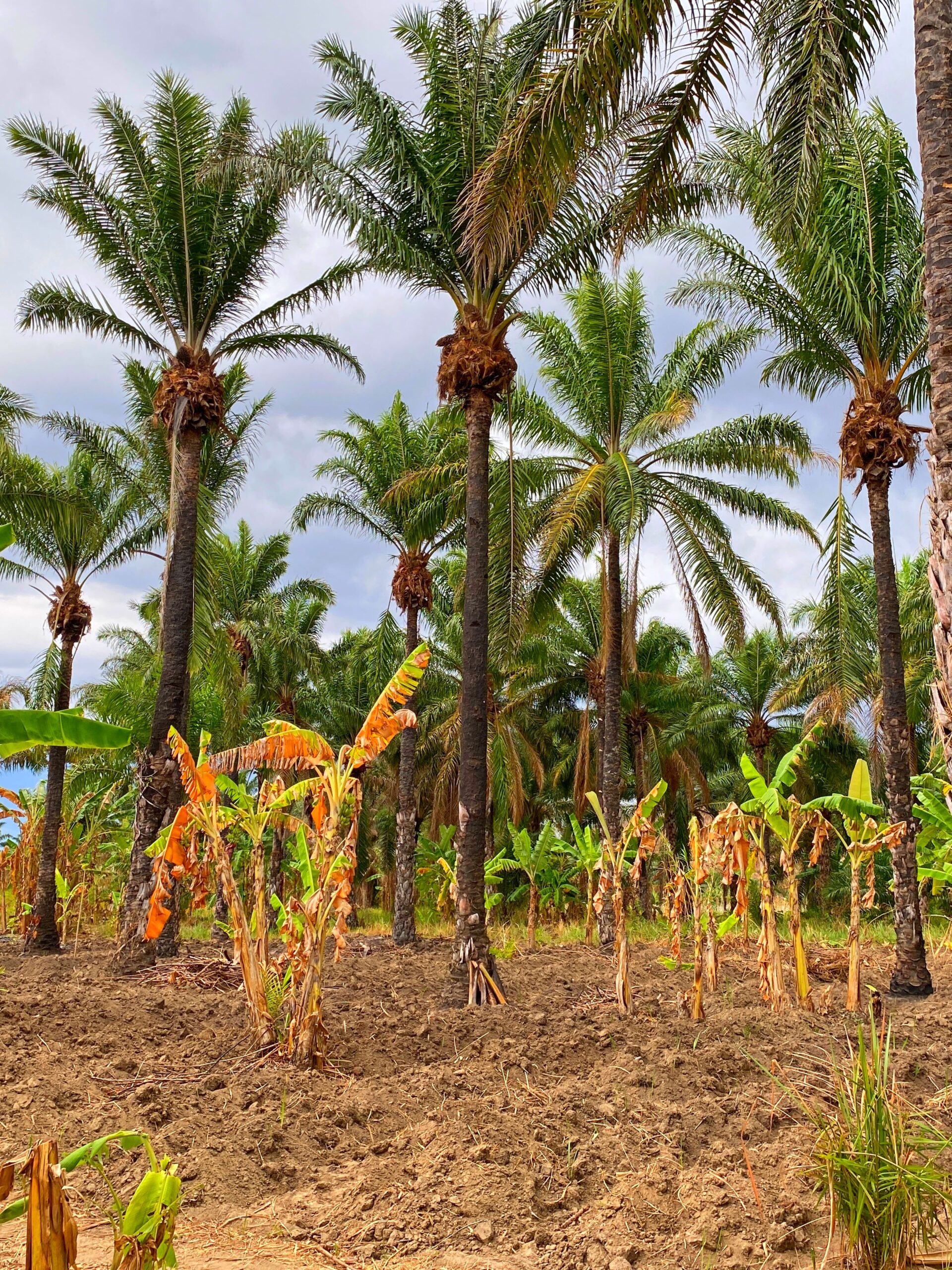
The Role of Agroforestry in Sustainable Agriculture
Agroforestry is a farming system that integrates trees and shrubs with crops and livestock on the same piece of land. This practice has gained recognition for its potential to promote sustainable agriculture by enhancing biodiversity, improving soil health, and increasing resilience to climate change.
Biodiversity Benefits
By incorporating trees into agricultural landscapes, agroforestry creates diverse habitats that support a wide range of plant and animal species. This biodiversity helps to maintain ecological balance, control pests naturally, and improve pollination services for crop plants.
Soil Health Improvement
The presence of trees in agroforestry systems contributes to improved soil structure and fertility. Tree roots help prevent soil erosion, enhance water retention capacity, and promote nutrient cycling. As a result, agroforestry can reduce the need for chemical fertilisers and pesticides, thus minimising environmental pollution.
Climate Resilience
Agroforestry plays a crucial role in building resilience to climate change impacts. Trees provide shade for crops, reducing heat stress during extreme weather events. They also act as windbreaks, protecting fields from strong winds and preventing soil degradation. Additionally, the carbon sequestration potential of trees helps mitigate greenhouse gas emissions.
Sustainable Farming Practices
Integrating agroforestry practices into traditional farming systems offers numerous benefits for farmers. It diversifies income sources through timber production, fruit harvesting, and livestock grazing under tree canopies. Agroforestry also enhances crop yields by providing natural inputs such as leaf litter for mulching and organic matter for soil enrichment.
Conclusion
Agroforestry represents a holistic approach to sustainable agriculture that balances environmental conservation with agricultural productivity. By harnessing the synergies between trees, crops, and livestock, agroforestry systems offer a promising pathway towards resilient and regenerative farming practices that benefit both farmers and the environment.
Nine Benefits of Agroforestry for Sustainable Agriculture: Enhancing Biodiversity, Soil Health, and Climate Resilience
- Enhances biodiversity on farmland
- Improves soil health and fertility
- Reduces soil erosion and nutrient runoff
- Provides natural pest control services
- Increases resilience to climate change
- Offers additional income streams from tree products
- Promotes carbon sequestration and mitigates greenhouse gas emissions
- Diversifies crop yields and improves overall farm productivity
- Supports sustainable land management practices
Challenges of Agroforestry in Sustainable Agriculture: Costs, Management, Resource Competition, Light Limitations, and Market Complexity
- Initial establishment costs can be high, especially when planting trees alongside existing crops.
- Agroforestry systems may require more management and labour compared to conventional monoculture farming.
- Competition for resources such as water and nutrients between trees and crops can affect overall productivity.
- Trees in agroforestry systems may limit sunlight availability for some crop species, impacting their growth and yield.
- Market challenges may arise due to the complexity of managing diverse products from agroforestry practices.
Enhances biodiversity on farmland
Agroforestry, by integrating trees and shrubs with crops and livestock on farmland, offers a significant advantage in enhancing biodiversity. The presence of diverse plant species in agroforestry systems creates a rich habitat that attracts a variety of beneficial insects, birds, and other wildlife. This increase in biodiversity helps to maintain ecological balance, support natural pest control mechanisms, and improve overall ecosystem resilience. By fostering a biodiverse environment within agricultural landscapes, agroforestry contributes to the preservation of plant and animal species while promoting sustainable farming practices.
Improves soil health and fertility
Agroforestry systems offer a significant advantage in improving soil health and fertility. By incorporating trees within agricultural landscapes, agroforestry helps enhance soil structure, prevent erosion, and promote nutrient cycling. The roots of trees play a vital role in maintaining soil stability and moisture retention, while also enriching the soil with organic matter. This results in healthier soils that are more resilient to degradation, leading to increased agricultural productivity and reduced reliance on synthetic fertilisers. Overall, the integration of trees in agroforestry practices contributes to sustainable farming by nurturing fertile soils that support long-term crop growth and ecosystem health.
Reduces soil erosion and nutrient runoff
Agroforestry, as a sustainable agricultural practice, offers the significant benefit of reducing soil erosion and nutrient runoff. By integrating trees into farming systems, agroforestry helps stabilise the soil structure and prevent erosion caused by wind and water. The deep root systems of trees hold the soil in place, reducing the risk of nutrient loss through runoff. This not only protects valuable topsoil but also promotes soil health by retaining essential nutrients for plant growth. Overall, agroforestry’s ability to mitigate soil erosion and nutrient runoff contributes to long-term sustainability in agriculture while preserving the land for future generations.
Provides natural pest control services
Agroforestry offers a valuable benefit for sustainable agriculture by providing natural pest control services. By incorporating trees into farming systems, agroforestry creates diverse habitats that attract beneficial insects and birds that prey on pests. This natural pest management approach helps reduce the reliance on chemical pesticides, promoting a healthier and more environmentally friendly farming environment. Additionally, the presence of trees in agroforestry systems can disrupt pest life cycles and create barriers that protect crops from insect damage, contributing to improved crop yields and overall farm resilience.
Increases resilience to climate change
Agroforestry significantly boosts resilience to climate change by incorporating trees into agricultural landscapes. The presence of trees helps mitigate the impacts of extreme weather events by providing shade for crops, reducing heat stress, and acting as natural windbreaks to protect fields from strong winds. Additionally, the carbon sequestration potential of trees in agroforestry systems aids in mitigating greenhouse gas emissions, contributing to climate change adaptation and sustainability in agriculture.
Offers additional income streams from tree products
Agroforestry provides an invaluable benefit for sustainable agriculture by offering additional income streams through the cultivation of tree products. Farmers can diversify their revenue sources by harvesting timber, fruits, nuts, and other tree-based products within agroforestry systems. This not only enhances the economic viability of farming operations but also reduces reliance on a single crop for income generation. By integrating trees into agricultural landscapes, agroforestry empowers farmers to tap into new markets and maximise the potential of their land, contributing to long-term financial sustainability and resilience in the face of changing market conditions.
Promotes carbon sequestration and mitigates greenhouse gas emissions
Agroforestry’s ability to promote carbon sequestration and mitigate greenhouse gas emissions is a crucial advantage for sustainable agriculture. By incorporating trees into farming systems, agroforestry helps to capture and store carbon dioxide from the atmosphere, thus reducing the concentration of greenhouse gases responsible for climate change. This process not only contributes to mitigating global warming but also enhances the overall environmental sustainability of agricultural practices. The role of agroforestry in sequestering carbon underscores its importance in fostering resilience to climate change and promoting long-term sustainability in agriculture.
Diversifies crop yields and improves overall farm productivity
Diversifying crop yields through agroforestry not only enhances the resilience of farming systems to environmental challenges but also boosts overall farm productivity. By integrating trees with crops, farmers can cultivate a variety of products on the same land, reducing reliance on monoculture and spreading risks associated with crop failure. This diversification leads to increased income streams and food security while promoting sustainable agricultural practices that benefit both the ecosystem and the community.
Supports sustainable land management practices
Agroforestry supports sustainable land management practices by promoting soil conservation, enhancing biodiversity, and improving overall land productivity. The integration of trees with crops and livestock helps prevent soil erosion, maintain soil fertility, and reduce the need for chemical inputs. By diversifying plant species and creating a multi-layered canopy structure, agroforestry systems protect the land from degradation while maximising its potential for sustainable agricultural production. This approach not only preserves the health of the land but also ensures its long-term viability for future generations.
Initial establishment costs can be high, especially when planting trees alongside existing crops.
The initial establishment costs of agroforestry for sustainable agriculture can pose a significant challenge, particularly when integrating trees into existing crop systems. Planting trees alongside established crops requires careful planning, investment in tree seedlings, labour for planting and maintenance, as well as potential adjustments to farming practices. These upfront expenses can be a barrier for farmers, especially those with limited financial resources. Despite the initial cost hurdle, the long-term benefits of agroforestry in terms of improved biodiversity, soil health, and climate resilience highlight the importance of finding sustainable financing solutions to support the adoption of agroforestry practices.
Agroforestry systems may require more management and labour compared to conventional monoculture farming.
Agroforestry systems, while offering numerous benefits for sustainable agriculture, come with the con of requiring more management and labour than conventional monoculture farming practices. The integration of trees and crops in agroforestry systems demands careful planning, regular maintenance, and monitoring to ensure optimal growth and productivity. Farmers may need to invest additional time and effort in tasks such as pruning, weeding, and pest control to maintain the balance between tree components and agricultural crops. Despite the increased management requirements, the long-term sustainability and resilience provided by agroforestry systems often outweigh the challenges posed by higher labour inputs.
Competition for resources such as water and nutrients between trees and crops can affect overall productivity.
In agroforestry systems, one significant drawback is the competition for resources, such as water and nutrients, between trees and crops. This competition can lead to a reduction in overall productivity as both trees and crops vie for essential resources to support their growth. The imbalance in resource allocation may result in stunted crop growth or reduced tree development, impacting the overall yield of the agricultural system. Effective management strategies and proper planning are crucial to mitigate resource competition and maximise the benefits of agroforestry practices for sustainable agriculture.
Trees in agroforestry systems may limit sunlight availability for some crop species, impacting their growth and yield.
In agroforestry systems, one notable drawback is the potential limitation of sunlight availability for certain crop species due to the presence of trees. This reduced sunlight exposure can hinder the growth and yield of light-sensitive crops, impacting their overall productivity. Farmers need to carefully select compatible crop species that can thrive under shaded conditions or strategically manage tree planting to minimise shading effects on light-demanding crops. Balancing the benefits of agroforestry with the need to optimise sunlight access for specific crops is essential to maximise agricultural productivity within such integrated farming systems.
Market challenges may arise due to the complexity of managing diverse products from agroforestry practices.
One significant challenge associated with agroforestry for sustainable agriculture is the potential market complexities that arise from managing diverse products generated by such practices. The varied outputs from agroforestry systems, including timber, fruits, nuts, and livestock products, can create challenges in terms of marketing and distribution. Farmers may face difficulties in effectively promoting and selling a wide range of products, as different markets may have varying demands and preferences. Managing the logistics of marketing diverse agroforestry products requires careful planning and coordination to ensure efficient market access and profitability for farmers.