
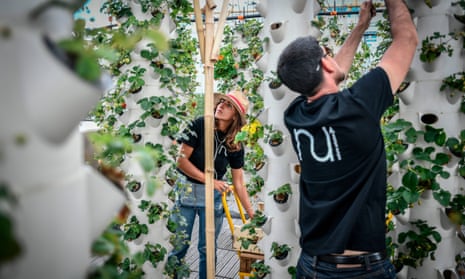
Urban Farming Courses: Cultivating Sustainable Cities
Urban farming has emerged as a vital solution to the challenges of food security, environmental sustainability, and community resilience in cities around the world. As more people seek to reconnect with their food sources and reduce their ecological footprint, urban farming courses have become increasingly popular.
These courses offer a valuable opportunity for individuals to learn about sustainable agriculture practices tailored to urban environments. From rooftop gardens and vertical farming to aquaponics systems and community allotments, urban farming courses cover a diverse range of topics designed to empower participants with the knowledge and skills needed to grow food in limited spaces.
One of the key benefits of urban farming courses is their emphasis on practical, hands-on learning. Participants not only gain theoretical knowledge about soil health, plant care, and sustainable pest management but also have the chance to apply these concepts in real-life settings. Whether it’s tending to raised beds in a city park or designing irrigation systems for urban greenhouses, students engage directly with the challenges and rewards of urban agriculture.
Beyond technical skills, urban farming courses also foster a sense of community among participants. By bringing together individuals passionate about sustainable food production, these courses create networks of like-minded enthusiasts who can support each other in their farming endeavours. Through shared experiences, knowledge exchange, and collaborative projects, urban farming courses help build resilient communities committed to creating a more sustainable future.
In addition to practical skills and community building, urban farming courses often address broader issues such as food justice, biodiversity conservation, and climate change mitigation. By exploring the interconnectedness of urban agriculture with social justice and environmental stewardship, participants gain a holistic understanding of the role that small-scale farming can play in building healthier and more equitable cities.
Whether you are an aspiring urban farmer looking to start your own rooftop garden or a city dweller interested in learning more about sustainable food production, urban farming courses offer a rich learning experience that can inspire positive change at both individual and community levels. By cultivating a new generation of urban farmers equipped with the knowledge and passion to transform city spaces into vibrant hubs of greenery and productivity, these courses are helping pave the way towards more sustainable and resilient cities for all.
Essential Tips for Selecting the Right Urban Farming Course
- Research and choose a reputable urban farming course provider.
- Look for courses that cover a wide range of topics such as sustainable agriculture, crop cultivation, and urban gardening techniques.
- Consider the duration and flexibility of the course to fit your schedule and learning pace.
- Check if the course offers practical hands-on experience in urban farming practices.
- Read reviews or testimonials from past students to gauge the quality of the course.
- Ensure that the course curriculum aligns with your goals and interests in urban farming.
- Compare costs of different courses and consider any additional materials or resources required.
- Stay updated on current trends and advancements in urban farming through the course materials or resources provided.
- Network with fellow students or professionals in the field during or after completing the course for further learning opportunities.
Research and choose a reputable urban farming course provider.
When embarking on your journey to learn about urban farming, it is essential to conduct thorough research and select a reputable urban farming course provider. By choosing a trusted and established institution or organisation, you can ensure that you receive high-quality education and practical training in sustainable agriculture practices tailored to urban settings. A reputable urban farming course provider will offer expert guidance, up-to-date curriculum, and valuable hands-on experience, equipping you with the knowledge and skills needed to succeed in cultivating your own urban farm.
Look for courses that cover a wide range of topics such as sustainable agriculture, crop cultivation, and urban gardening techniques.
When exploring urban farming courses, it is advisable to seek out programmes that offer a comprehensive curriculum encompassing various essential topics. Look for courses that delve into sustainable agriculture practices, crop cultivation methods, and urban gardening techniques. By selecting a course that covers a wide range of subjects, participants can acquire a diverse skill set that is crucial for successfully navigating the complexities of urban farming. Understanding sustainable practices, mastering crop cultivation, and honing urban gardening skills will empower individuals to cultivate thriving and environmentally conscious urban agricultural projects.
Consider the duration and flexibility of the course to fit your schedule and learning pace.
When exploring urban farming courses, it is essential to consider the duration and flexibility of the course to ensure it aligns with your schedule and learning pace. Opting for a course that offers flexibility in terms of timing and pace can greatly enhance your learning experience, allowing you to balance your urban farming education with other commitments. By selecting a course that accommodates your schedule and learning style, you can maximise your understanding of sustainable agriculture practices and make the most of your urban farming journey.
Check if the course offers practical hands-on experience in urban farming practices.
When considering urban farming courses, it is essential to check if the programme includes practical hands-on experience in urban farming practices. Engaging in practical activities such as planting, tending to crops, and managing urban farming systems not only reinforces theoretical knowledge but also provides valuable skills that can be applied in real-world settings. By participating in hands-on experiences, students can develop a deeper understanding of urban agriculture techniques and gain the confidence to implement sustainable farming practices in urban environments effectively.
Read reviews or testimonials from past students to gauge the quality of the course.
Before enrolling in an urban farming course, it is advisable to read reviews or testimonials from past students to gauge the quality of the course. Hearing about the experiences of those who have already completed the programme can provide valuable insights into the course content, teaching methods, and overall learning experience. By considering feedback from previous participants, prospective students can make informed decisions and ensure that they choose a course that aligns with their goals and expectations.
Ensure that the course curriculum aligns with your goals and interests in urban farming.
When considering enrolling in urban farming courses, it is essential to ensure that the course curriculum aligns with your specific goals and interests in urban farming. By choosing a course that addresses topics and practices relevant to your aspirations, you can maximise the learning experience and gain valuable insights tailored to your needs. Whether you are interested in rooftop gardening, vertical farming, or community agriculture, selecting a course that resonates with your objectives will help you acquire the knowledge and skills necessary to thrive in urban farming practices.
Compare costs of different courses and consider any additional materials or resources required.
When exploring urban farming courses, it is essential to compare the costs of different options and consider any additional materials or resources that may be required. While some courses may have a higher upfront fee, they could include valuable resources such as seeds, tools, or course materials. Evaluating the overall cost and what is included in each course can help you make an informed decision based on your budget and needs. Additionally, considering any supplementary materials or resources needed for the course can ensure that you are fully prepared to engage with the content and get the most out of your urban farming learning experience.
Stay updated on current trends and advancements in urban farming through the course materials or resources provided.
To maximise your learning experience in urban farming courses, it is essential to stay updated on current trends and advancements in the field. By engaging with the course materials and resources provided, you can gain valuable insights into innovative practices, emerging technologies, and sustainable techniques that are shaping the future of urban agriculture. Keeping abreast of the latest developments will not only enhance your knowledge but also empower you to adapt and implement cutting-edge solutions in your own urban farming endeavours.
Network with fellow students or professionals in the field during or after completing the course for further learning opportunities.
Networking with fellow students or professionals in the field during or after completing an urban farming course can provide valuable learning opportunities and foster a sense of community within the urban agriculture sector. By connecting with like-minded individuals, participants can exchange ideas, share experiences, and collaborate on projects that further their knowledge and skills in sustainable food production. Building a strong network of peers and mentors not only enhances one’s understanding of urban farming practices but also opens doors to new opportunities for growth and innovation in this rapidly evolving field.