
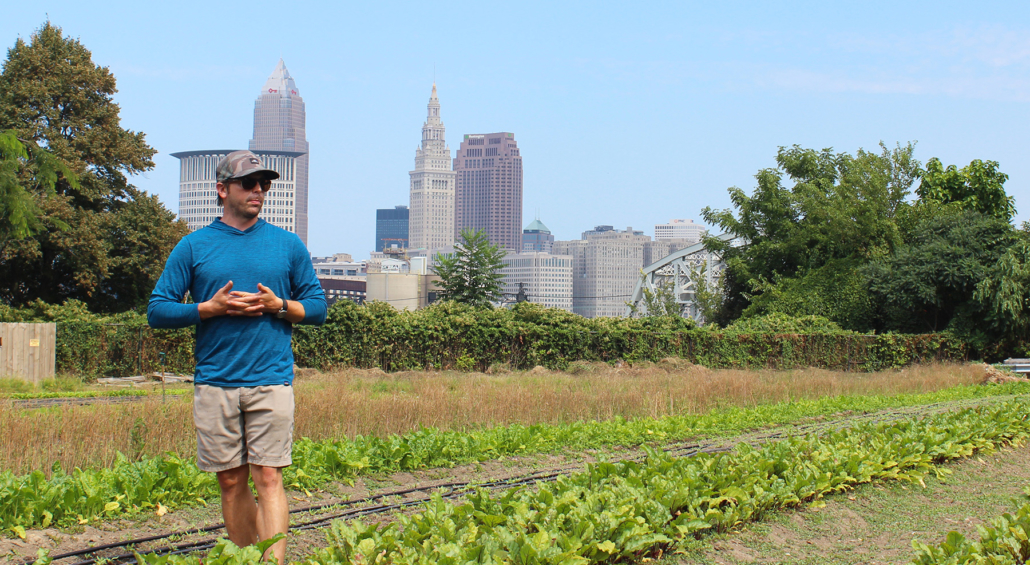
The Rise of Urban Agriculture Practices
Urban agriculture, once considered a niche practice, is now gaining momentum as cities around the world embrace sustainable and local food production. As urban populations continue to grow and concerns about food security and environmental sustainability increase, urban agriculture offers a promising solution.
Benefits of Urban Agriculture
Urban agriculture brings a host of benefits to communities. By utilising vacant lots, rooftops, and other urban spaces for farming, cities can reduce food miles, decrease carbon emissions from transportation, and improve access to fresh produce in food deserts. Additionally, urban agriculture promotes community engagement, educational opportunities, and green spaces in densely populated areas.
Types of Urban Agriculture
Urban agriculture practices vary widely depending on available space and resources. Rooftop gardens, community gardens, vertical farms, aquaponics systems, and guerrilla gardening are just a few examples of innovative urban farming techniques being employed globally. These practices not only produce fresh food but also contribute to biodiversity conservation and urban resilience.
Challenges and Opportunities
While urban agriculture offers numerous benefits, it also faces challenges such as limited space, soil contamination, zoning regulations, and access to water. However, with proper planning, community support, and government incentives, these challenges can be overcome. Cities that invest in urban agriculture initiatives can create vibrant local food systems that enhance food security and sustainability.
The Future of Urban Agriculture
As the world continues to urbanise, the importance of integrating agriculture into city planning becomes increasingly evident. Urban agriculture not only provides fresh produce but also fosters social connections, environmental stewardship, and economic opportunities. By embracing innovative farming practices in urban settings, we can build healthier communities and a more sustainable future for all.
Urban Agriculture: Cultivating Local Food, Green Spaces, and Community Wellbeing
- Promotes local food production and reduces food miles.
- Creates green spaces in urban areas, improving air quality and biodiversity.
- Enhances community engagement and social cohesion through shared farming activities.
- Increases access to fresh, nutritious produce in food deserts and underserved neighbourhoods.
- Contributes to environmental sustainability by utilising vacant lots and reducing urban heat island effects.
Challenges and Constraints of Urban Agriculture Practices: Space, Contamination, and Regulatory Hurdles
- Limited space for large-scale production
- Risk of soil contamination in urban environments
- Challenges in accessing water for irrigation
- Zoning regulations may restrict or complicate urban farming activities
- Potential conflicts with existing land use and development plans
- Higher costs associated with implementing and maintaining urban agriculture infrastructure
Promotes local food production and reduces food miles.
Urban agriculture practices play a crucial role in promoting local food production and reducing food miles. By cultivating fresh produce within city limits, urban farmers can supply local markets and communities with nutritious food that has travelled shorter distances from farm to table. This not only supports the local economy but also helps lower carbon emissions associated with long-distance transportation of food. Embracing urban agriculture enhances food security, fosters a stronger connection between consumers and producers, and contributes to a more sustainable and resilient food system.
Creates green spaces in urban areas, improving air quality and biodiversity.
Urban agriculture practices play a vital role in creating green spaces within urban areas, leading to significant improvements in air quality and biodiversity. By transforming vacant lots, rooftops, and other urban spaces into thriving gardens and green landscapes, urban agriculture helps combat air pollution by absorbing carbon dioxide and releasing oxygen. These green spaces also provide habitats for diverse plant and animal species, contributing to urban biodiversity conservation. Ultimately, integrating agriculture into urban environments not only enhances the aesthetic appeal of cities but also fosters healthier ecosystems and a more sustainable urban living environment.
Enhances community engagement and social cohesion through shared farming activities.
Urban agriculture practices play a pivotal role in enhancing community engagement and social cohesion by fostering shared farming activities. By bringing residents together to cultivate and harvest crops, urban farming creates a sense of belonging and collaboration within neighbourhoods. These shared experiences not only strengthen community bonds but also promote a deeper connection to the food system and the environment. Through collaborative efforts in urban agriculture, individuals can learn from one another, share knowledge, and work towards common goals, ultimately building more resilient and tightly-knit communities.
Increases access to fresh, nutritious produce in food deserts and underserved neighbourhoods.
Urban agriculture practices play a crucial role in addressing food insecurity by increasing access to fresh, nutritious produce in food deserts and underserved neighbourhoods. By establishing community gardens, rooftop farms, and urban agriculture initiatives in these areas, residents have the opportunity to grow their own fruits and vegetables or access locally grown produce. This not only improves the availability of healthy food options but also promotes a sense of empowerment and self-sufficiency within communities that may otherwise lack access to fresh produce.
Contributes to environmental sustainability by utilising vacant lots and reducing urban heat island effects.
Urban agriculture practices play a crucial role in enhancing environmental sustainability by repurposing vacant lots for food production and mitigating urban heat island effects. By converting unused urban spaces into green areas for farming, cities can not only increase local food production but also create natural cooling mechanisms that help reduce the heat trapped in densely populated areas. This dual benefit of utilising vacant lots for agriculture contributes to a healthier urban environment, promotes biodiversity, and helps combat the adverse impacts of climate change in urban settings.
Limited space for large-scale production
Limited space for large-scale production is a significant challenge facing urban agriculture practices. In densely populated cities, finding adequate land for extensive farming operations can be difficult, hindering the scalability of urban agriculture initiatives. The lack of space restricts the potential output and efficiency of large-scale agricultural production, impacting the ability to meet the growing demand for locally grown food in urban areas. As a result, urban farmers must explore innovative solutions such as vertical farming and hydroponics to maximise productivity within limited spatial constraints while striving to overcome the constrictions posed by space limitations.
Risk of soil contamination in urban environments
One significant con of urban agriculture practices is the risk of soil contamination in urban environments. Due to past industrial activities, improper waste disposal, and pollution, urban soils may contain harmful substances such as heavy metals, pesticides, and other contaminants. When crops are grown in contaminated soil, there is a potential health risk to consumers as these pollutants can be absorbed by plants. Addressing soil contamination requires thorough testing, remediation efforts, and proper soil management practices to ensure the safety of urban-grown produce.
Challenges in accessing water for irrigation
One significant challenge faced in urban agriculture practices is the difficulty in accessing water for irrigation. In densely populated urban areas, water resources are often limited and competition for water is high. This scarcity of water can hinder the ability of urban farmers to maintain their crops adequately hydrated, leading to decreased yields and potential crop failure. Additionally, the cost of purchasing water for irrigation purposes can be prohibitive for small-scale urban farmers, further exacerbating the issue. Finding sustainable solutions to address the challenge of accessing water for irrigation is crucial for the long-term viability and success of urban agriculture initiatives.
Zoning regulations may restrict or complicate urban farming activities
Zoning regulations present a significant challenge to urban agriculture practices by potentially restricting or complicating farming activities in urban areas. These regulations, designed for traditional land use purposes, may not always accommodate the unique needs of urban farming initiatives. Restrictions on land use, building heights, agricultural structures, and livestock keeping can limit the expansion and viability of urban farms. Navigating through complex zoning requirements can be time-consuming and costly for urban farmers, hindering their ability to fully utilise available space for sustainable food production.
Potential conflicts with existing land use and development plans
Potential conflicts with existing land use and development plans pose a significant challenge to urban agriculture practices. As cities expand and evolve, the competition for land intensifies, leading to conflicts between agricultural initiatives and other development priorities. Zoning regulations, land ownership issues, and conflicting interests among stakeholders can hinder the implementation of urban farming projects. Balancing the need for food production with urban development goals requires careful planning, collaboration, and policy support to ensure that urban agriculture can thrive alongside existing land uses in a sustainable manner.
Higher costs associated with implementing and maintaining urban agriculture infrastructure
One significant drawback of urban agriculture practices is the higher costs involved in establishing and sustaining the necessary infrastructure. Setting up farms in urban areas often requires investments in specialised equipment, irrigation systems, greenhouses, and other infrastructure to maximise limited space and ensure efficient production. Additionally, maintaining urban agriculture infrastructure can be costly due to factors such as high land prices, ongoing maintenance expenses, and the need for skilled labour to manage complex farming systems. These financial barriers can pose challenges for individuals and communities looking to engage in urban agriculture, limiting access to sustainable food production in urban environments.