
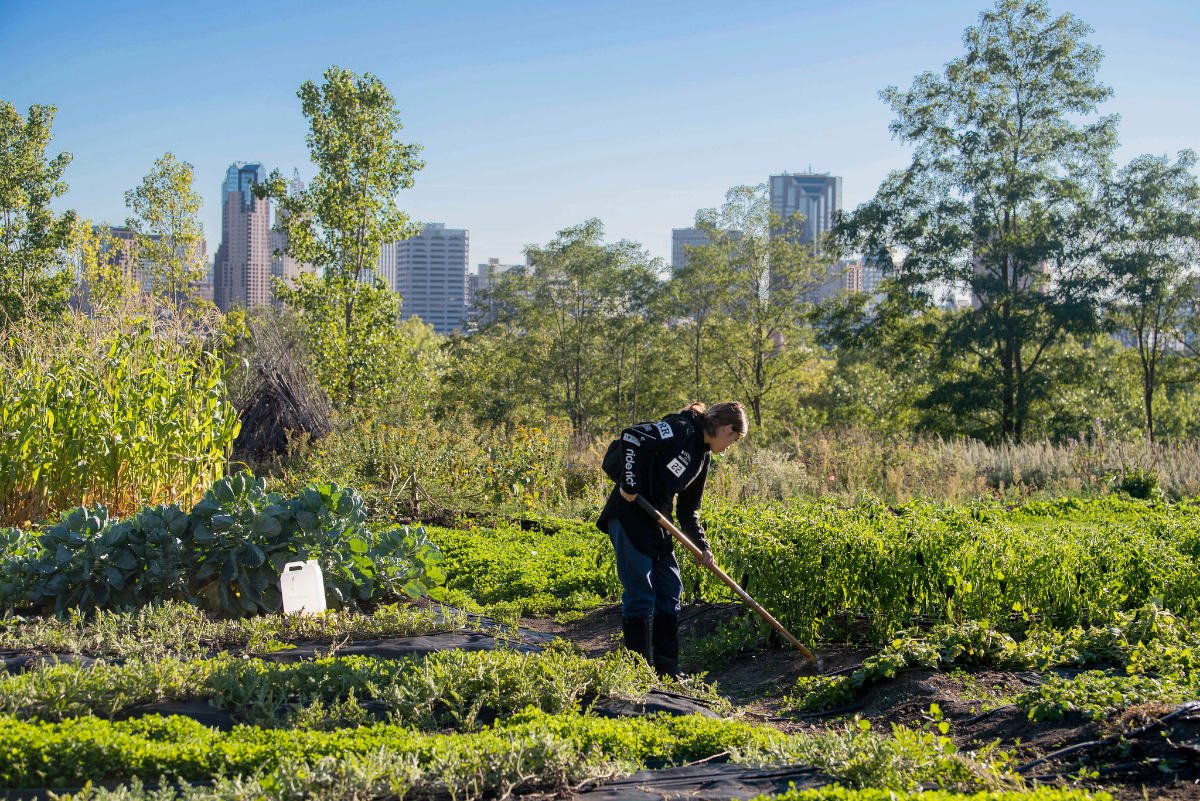
Exploring the Benefits of Urban Agriculture Courses
Urban agriculture has been gaining popularity in recent years as more people become interested in sustainable living and local food production. One way to learn about urban agriculture practices is by enrolling in urban agriculture courses. These courses offer valuable knowledge and skills that can help individuals become successful urban farmers.
What Are Urban Agriculture Courses?
Urban agriculture courses are educational programmes that focus on teaching individuals how to grow food in urban environments. These courses cover a wide range of topics, including rooftop gardening, hydroponics, vertical farming, composting, and sustainable farming practices. Participants learn about soil health, plant care, pest management, and harvesting techniques specific to urban settings.
The Benefits of Urban Agriculture Courses
There are several benefits to enrolling in urban agriculture courses:
- Hands-On Learning: Many courses offer practical experience through hands-on activities such as planting, tending to crops, and harvesting produce.
- Community Building: Participants have the opportunity to connect with like-minded individuals who share an interest in urban farming, fostering a sense of community and collaboration.
- Sustainable Practices: Courses teach participants how to implement sustainable farming practices that conserve resources and minimise environmental impact.
- Fresh Produce: By learning how to grow their own food, participants can enjoy fresh, organic produce right from their own gardens or rooftops.
Conclusion
Urban agriculture courses provide a valuable opportunity for individuals to learn about sustainable farming practices and gain hands-on experience growing food in urban environments. Whether you are a beginner looking to start your own garden or an experienced gardener interested in expanding your knowledge, enrolling in an urban agriculture course can be a rewarding experience.
Essential Tips for Choosing the Best Urban Agriculture Courses in the UK
- Look for courses that cover a variety of urban agriculture techniques, such as vertical farming and rooftop gardening.
- Check if the course includes practical hands-on experience to apply theoretical knowledge in real-life settings.
- Consider courses that provide insights into sustainable practices and resource management in urban agriculture.
- Look for courses that offer guidance on urban soil management and composting techniques.
- Explore courses that discuss urban food security issues and solutions through agriculture initiatives.
- Check if the course covers urban farming regulations and policies to understand legal aspects of urban agriculture.
- Consider enrolling in courses with guest lectures or field trips to gain diverse perspectives on urban agriculture.
Look for courses that cover a variety of urban agriculture techniques, such as vertical farming and rooftop gardening.
When exploring urban agriculture courses, it is beneficial to seek out programmes that encompass a diverse range of techniques, including vertical farming and rooftop gardening. By selecting courses that cover multiple urban agriculture methods, participants can gain a comprehensive understanding of how to maximise space efficiency and cultivate crops in non-traditional settings. Embracing a variety of techniques ensures that individuals are equipped with the knowledge and skills needed to thrive in urban farming environments while promoting sustainability and innovation in food production practices.
Check if the course includes practical hands-on experience to apply theoretical knowledge in real-life settings.
It is essential to check if the urban agriculture course includes practical hands-on experience to apply theoretical knowledge in real-life settings. By participating in practical activities such as planting, tending to crops, and harvesting produce, participants can gain valuable skills and insights that are crucial for success in urban farming. This hands-on experience not only reinforces theoretical concepts but also provides a realistic understanding of the challenges and rewards of growing food in urban environments.
Consider courses that provide insights into sustainable practices and resource management in urban agriculture.
When exploring urban agriculture courses, it is beneficial to consider enrolling in programmes that offer insights into sustainable practices and resource management specific to urban farming. These courses can provide valuable knowledge on how to cultivate crops efficiently in limited urban spaces while minimising environmental impact. By learning about sustainable practices and effective resource management, participants can develop the skills needed to create thriving urban gardens that contribute positively to both local communities and the environment.
Look for courses that offer guidance on urban soil management and composting techniques.
When considering urban agriculture courses, it is beneficial to seek out programmes that provide instruction on urban soil management and composting techniques. Understanding how to effectively manage soil in urban settings and utilise composting methods can greatly enhance the success of urban farming initiatives. Proper soil management ensures healthy plant growth, while composting helps recycle organic waste into nutrient-rich soil amendments, promoting sustainable practices in urban agriculture. By learning these essential skills, participants can cultivate thriving crops and contribute to a more environmentally friendly food production system within urban areas.
Explore courses that discuss urban food security issues and solutions through agriculture initiatives.
Explore urban agriculture courses that delve into the critical topic of urban food security issues and solutions. By enrolling in these courses, you can gain a deeper understanding of how agriculture initiatives can play a vital role in addressing food insecurity in urban areas. Learn about innovative strategies, such as community gardens, rooftop farming, and vertical growing systems, that contribute to enhancing food access and sustainability within cities. Acquiring knowledge on these topics not only empowers individuals to make a positive impact but also fosters a more resilient and food-secure urban environment for all.
Check if the course covers urban farming regulations and policies to understand legal aspects of urban agriculture.
It is essential to check if the urban agriculture course includes coverage of urban farming regulations and policies. Understanding the legal aspects of urban agriculture is crucial for aspiring urban farmers to navigate potential challenges and ensure compliance with local laws. By learning about regulations governing land use, zoning restrictions, water usage, and food safety guidelines, participants can develop a comprehensive understanding of the legal framework surrounding urban farming practices. This knowledge equips individuals with the necessary tools to establish and maintain successful urban agricultural ventures within a legal framework.
Consider enrolling in courses with guest lectures or field trips to gain diverse perspectives on urban agriculture.
Consider enrolling in urban agriculture courses that offer guest lectures or field trips to gain diverse perspectives on urban agriculture. Guest lectures from industry experts and field trips to urban farms or sustainable agriculture sites can provide valuable insights and real-world experiences that enhance your learning journey. By exposing yourself to different viewpoints and practices, you can broaden your understanding of urban agriculture and discover innovative approaches to sustainable food production in urban settings.