
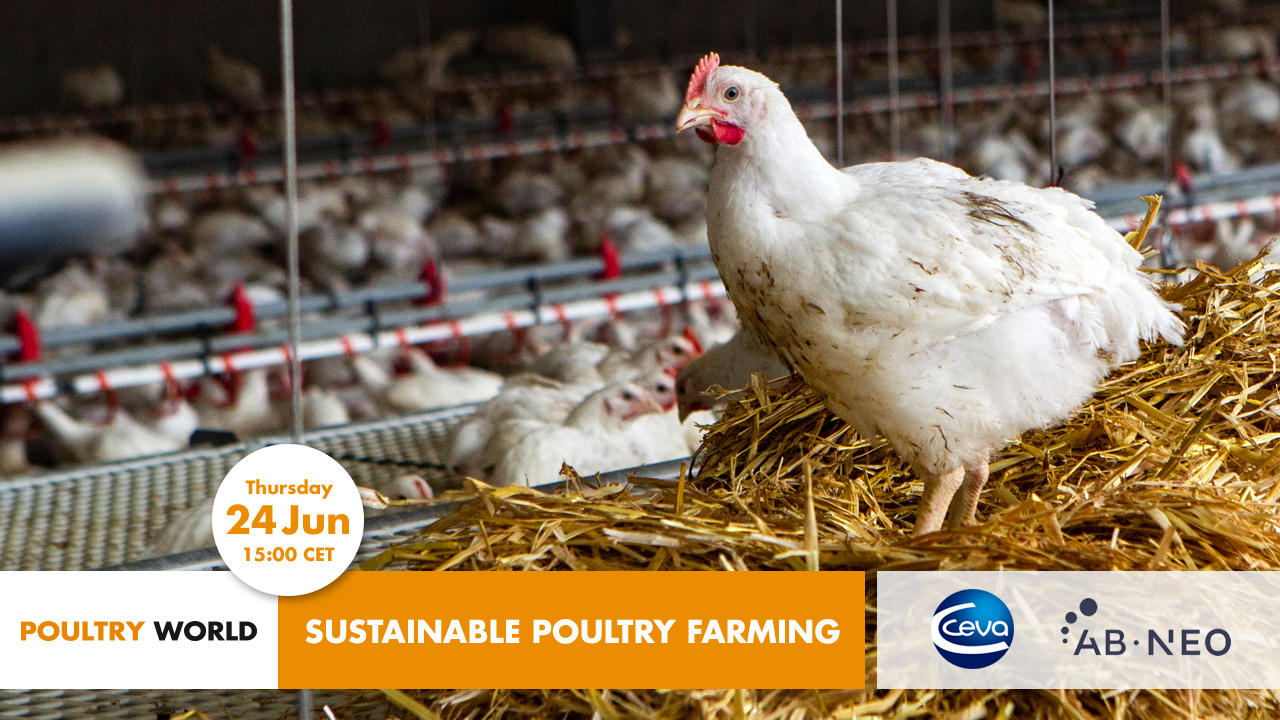
The Importance of Sustainable Poultry Farming
Sustainable poultry farming plays a crucial role in ensuring the well-being of both the environment and consumers. By adopting eco-friendly practices and ethical standards, poultry farmers can contribute to a healthier planet and provide high-quality products to the market.
Environmental Benefits
One of the key advantages of sustainable poultry farming is its positive impact on the environment. By implementing practices such as rotational grazing, organic feed production, and waste management systems, farmers can reduce their carbon footprint and protect natural resources. Sustainable farming also helps preserve biodiversity and minimises pollution, creating a more sustainable ecosystem for future generations.
Animal Welfare
In sustainable poultry farming, animal welfare is a top priority. Farmers ensure that chickens are raised in humane conditions with access to fresh air, natural light, and ample space to move around. By prioritising animal welfare, farmers produce healthier and happier birds, resulting in higher-quality meat and eggs for consumers.
Health Benefits
Consumers benefit from sustainable poultry farming through access to nutritious and safe products. Chickens raised in sustainable farms are less likely to be exposed to harmful chemicals or antibiotics, leading to healthier meat and eggs for consumption. Additionally, sustainable practices promote food safety standards that protect consumers from potential health risks associated with conventional farming methods.
Economic Sustainability
Sustainable poultry farming also contributes to economic stability in rural communities. By adopting eco-friendly practices and ethical standards, farmers can improve their efficiency, reduce production costs, and increase their market competitiveness. This leads to long-term profitability for farmers while supporting local economies through job creation and sustainable agricultural growth.
In conclusion, sustainable poultry farming is essential for promoting environmental conservation, animal welfare, consumer health, and economic sustainability. By embracing eco-friendly practices and ethical standards, poultry farmers can make a positive impact on the world while providing high-quality products to meet the demands of an increasingly conscious market.
7 Essential Tips for Sustainable Poultry Farming in the UK
- Provide proper ventilation in poultry houses to ensure good air quality for the birds.
- Use natural and organic feed for the poultry, avoiding antibiotics and growth hormones.
- Implement rotational grazing practices to prevent overgrazing and maintain soil health.
- Regularly clean and maintain poultry housing to prevent disease outbreaks.
- Promote biodiversity on the farm by planting trees and creating habitat for beneficial wildlife.
- Consider using renewable energy sources such as solar power for farm operations.
- Practice efficient water management techniques to reduce water wastage.
Provide proper ventilation in poultry houses to ensure good air quality for the birds.
Proper ventilation in poultry houses is a critical aspect of sustainable poultry farming as it ensures good air quality for the birds. Adequate ventilation helps remove excess moisture, ammonia, and other harmful gases from the environment, creating a healthier living space for the chickens. By maintaining optimal airflow within the poultry houses, farmers can prevent respiratory issues, reduce stress levels in the birds, and promote overall well-being. Good air quality not only enhances the health and productivity of the chickens but also contributes to a more sustainable and ethical farming practice.
Use natural and organic feed for the poultry, avoiding antibiotics and growth hormones.
To promote sustainable poultry farming, it is essential to use natural and organic feed for the poultry while avoiding antibiotics and growth hormones. By opting for natural feed sources free from artificial additives, farmers can ensure the health and well-being of their poultry. This practice not only enhances the quality of meat and eggs produced but also contributes to a healthier environment and supports consumer preferences for ethically produced food. Emphasising natural and organic feed aligns with sustainable farming principles, prioritising animal welfare, food safety, and environmental conservation in the poultry industry.
Implement rotational grazing practices to prevent overgrazing and maintain soil health.
Implementing rotational grazing practices in sustainable poultry farming is essential to prevent overgrazing and maintain soil health. By rotating the grazing areas for chickens, farmers can allow vegetation to recover, reducing soil erosion and promoting healthier pasture growth. This method not only benefits the land but also ensures that chickens have access to fresh forage, leading to better nutrition and overall well-being for the birds. Rotational grazing supports a balanced ecosystem, contributing to the sustainability of poultry farming operations in the long run.
Regularly clean and maintain poultry housing to prevent disease outbreaks.
Regularly cleaning and maintaining poultry housing is a fundamental tip in sustainable poultry farming to prevent disease outbreaks. By ensuring that the living environment of the chickens is clean and hygienic, farmers can minimise the risk of infections and diseases spreading among the flock. Proper sanitation practices, such as removing litter, disinfecting surfaces, and providing adequate ventilation, not only promote the health and well-being of the birds but also contribute to sustainable farming practices by reducing the need for antibiotics and other chemical interventions. Maintaining a clean poultry housing environment is essential for creating a healthy and thriving flock while upholding ethical standards in animal care.
Promote biodiversity on the farm by planting trees and creating habitat for beneficial wildlife.
To enhance sustainability in poultry farming, it is advisable to promote biodiversity on the farm by planting trees and establishing habitats for beneficial wildlife. By incorporating diverse vegetation and creating spaces for wildlife to thrive, farmers can support a balanced ecosystem that benefits both the environment and poultry production. Trees provide shade, shelter, and natural food sources for birds and insects, contributing to a healthier farm environment. Additionally, attracting beneficial wildlife such as pollinators and pest predators helps maintain ecological balance and reduce the need for chemical interventions, ultimately leading to more sustainable poultry farming practices.
Consider using renewable energy sources such as solar power for farm operations.
By considering the use of renewable energy sources like solar power for farm operations, poultry farmers can significantly reduce their carbon footprint and promote sustainability in their practices. Harnessing the power of solar energy not only helps to lower energy costs but also minimises reliance on non-renewable resources. By integrating solar power into farm operations, farmers can take a proactive step towards environmental conservation and contribute to a greener future for the agricultural industry.
Practice efficient water management techniques to reduce water wastage.
To promote sustainable poultry farming, it is essential to implement efficient water management techniques to minimise water wastage. By monitoring and controlling water usage within poultry facilities, farmers can conserve this precious resource while ensuring that chickens have an adequate supply for hydration and sanitation. Implementing strategies such as installing water-saving equipment, repairing leaks promptly, and recycling water for multiple uses can significantly reduce the environmental impact of poultry farming operations and contribute to long-term sustainability.