
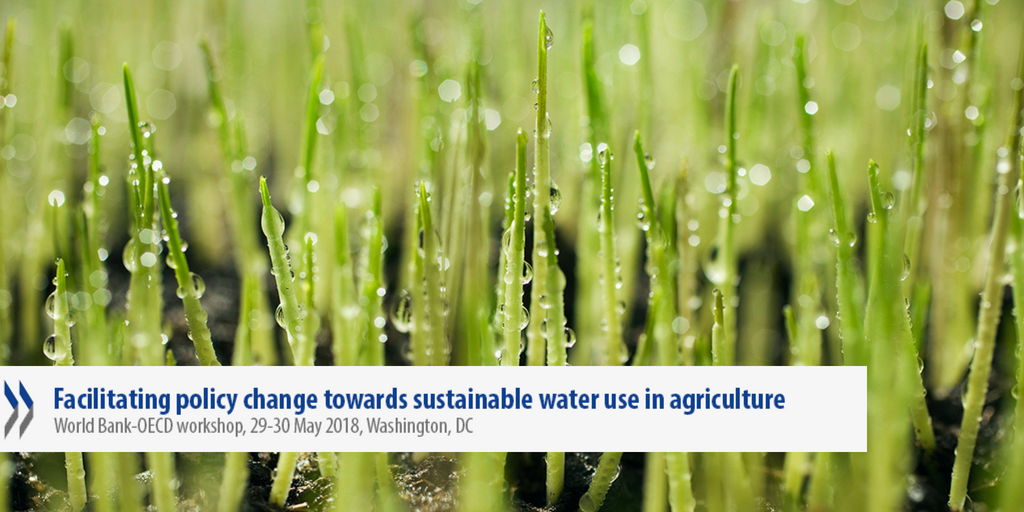
The Importance of Sustainable Agriculture Water Management
Sustainable agriculture water management plays a crucial role in ensuring the long-term viability of our food production systems. With increasing water scarcity and unpredictable weather patterns due to climate change, it is more important than ever to adopt practices that conserve and optimise the use of this precious resource.
Challenges Faced
Traditional agricultural practices often involve inefficient water usage, leading to wastage and depletion of water sources. This not only impacts crop yields but also contributes to environmental degradation through soil erosion and pollution.
Benefits of Sustainable Water Management
Implementing sustainable water management techniques, such as drip irrigation, rainwater harvesting, and soil moisture monitoring, can significantly reduce water wastage and improve crop productivity. By using water more efficiently, farmers can mitigate the impact of droughts and ensure a stable food supply.
Conservation Methods
Conservation methods like cover cropping, mulching, and contour ploughing help retain soil moisture and prevent erosion, reducing the need for excessive irrigation. Additionally, adopting agroforestry practices can enhance water infiltration rates and promote groundwater recharge.
Community Engagement
Engaging with local communities to raise awareness about sustainable water management is essential for promoting collective action towards preserving water resources. Educating farmers on best practices and providing access to training programmes can empower them to make informed decisions that benefit both their livelihoods and the environment.
The Way Forward
Embracing sustainable agriculture water management is not just a choice but a necessity for safeguarding our future food security. By integrating innovative technologies and conservation strategies into farming operations, we can create a resilient agricultural sector that thrives in harmony with nature.
Understanding Sustainable Water Management in Agriculture: Key Concepts and Practices
- What is the sustainable management of water?
- What is the concept of water sustainability?
- What are the practices of sustainable watershed management?
- What are the methods of water management?
What is the sustainable management of water?
The sustainable management of water in agriculture involves implementing practices and strategies that ensure the efficient use, conservation, and protection of water resources while maintaining the long-term productivity of farming systems. It encompasses a holistic approach that aims to balance the needs of agriculture with environmental sustainability. Sustainable water management in agriculture includes techniques such as drip irrigation, rainwater harvesting, soil conservation measures, and crop rotation to minimise water wastage, prevent soil erosion, and enhance overall water efficiency. By prioritising the careful stewardship of water resources and adopting innovative solutions, sustainable water management practices contribute to resilient farming systems that can adapt to changing climatic conditions and promote food security for future generations.
What is the concept of water sustainability?
Water sustainability is a fundamental concept in sustainable agriculture water management that focuses on ensuring the long-term availability and quality of water resources for current and future generations. It involves balancing the needs of agriculture, industry, and communities with the capacity of natural ecosystems to replenish and maintain water supplies. By adopting practices that promote efficient water use, reduce pollution, and protect aquatic ecosystems, water sustainability aims to safeguard this vital resource while supporting sustainable food production and environmental conservation efforts.
What are the practices of sustainable watershed management?
Sustainable watershed management encompasses a range of practices aimed at preserving and enhancing the health of our water resources. Key practices include implementing riparian buffer zones along water bodies to reduce sedimentation and pollution runoff, promoting reforestation to maintain water quality and regulate flow patterns, and employing techniques such as contour farming to prevent soil erosion and retain moisture. Additionally, sustainable watershed management involves community engagement through collaborative decision-making processes and the adoption of innovative technologies for efficient water use. By integrating these practices, we can protect watersheds, promote biodiversity, and ensure the long-term sustainability of our water ecosystems.
What are the methods of water management?
When it comes to sustainable agriculture water management, there are various methods that farmers can implement to optimise water usage and promote conservation. Some common methods include drip irrigation, which delivers water directly to the roots of plants, reducing evaporation and minimising wastage. Rainwater harvesting is another effective technique that involves collecting rainwater for irrigation purposes, reducing reliance on external water sources. Additionally, practices such as soil moisture monitoring, cover cropping, and mulching help retain soil moisture levels and prevent water runoff, ensuring efficient water usage in agricultural operations. By integrating these methods into their farming practices, farmers can enhance crop yields while preserving valuable water resources for future generations.