
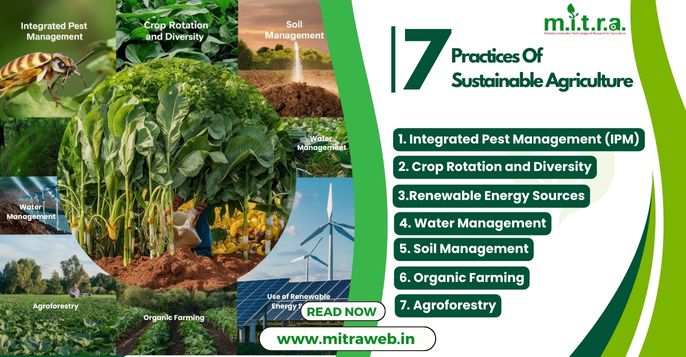
Crop Management for Sustainable Agriculture
Sustainable crop management is about producing healthy, reliable harvests while caring for the soil, water and wildlife that farming depends on. It combines practical knowledge with careful planning, helping farmers use resources efficiently and build resilience to changing weather, pests and market conditions.
Start with healthy soil
Soil is one of a farm’s most valuable assets. Regular soil testing can reveal nutrient levels and pH, helping farmers make informed decisions about fertiliser and lime. Adding organic matter, such as compost or well-managed manure, can support soil structure and water retention.
Reducing unnecessary cultivation can limit soil disturbance and erosion. Cover crops and green manures can protect bare ground, capture nutrients and contribute organic matter. The best approach will depend on soil type, climate, machinery and the crops being grown.
Plan rotations carefully
Growing the same crop repeatedly in one field can encourage a build-up of crop-specific pests and diseases, as well as place repeated demands on the same soil nutrients. A well-planned rotation breaks these cycles by alternating crops with different characteristics and nutrient requirements.
Including legumes, such as beans or clover, can help add nitrogen to the farming system. Rotations can also include cover crops or forage crops, where appropriate, to make productive use of the soil between main crops.
Use nutrients efficiently
Applying the right nutrient, at the right rate and time, can improve crop performance while reducing waste. Soil and plant testing, crop history and realistic yield targets can all help guide nutrient plans. Where available, precision application tools can make it easier to match inputs to variation across a field.
Farmers should also consider nutrient sources and timing. Applying nutrients when crops can use them, and avoiding applications when heavy rain is forecast, can reduce the risk of nutrients being lost to watercourses or the wider environment. Local regulations and professional advice should always be followed.
Manage pests and diseases through prevention
Integrated pest management (IPM) combines prevention, monitoring and proportionate control. Crop rotation, resistant varieties, good field hygiene and suitable planting dates can reduce the likelihood of problems developing. Regular crop inspections help identify issues early and assess whether action is needed.
Where control is necessary, farmers can consider a range of options, including mechanical, biological and cultural methods. Pesticides should be used responsibly and in line with label instructions and relevant regulations. Targeted application, accurate equipment and careful timing can help reduce impacts on beneficial insects and other non-target species.
Make water work harder
Efficient water management is increasingly important as rainfall patterns become less predictable. Improving soil structure and maintaining ground cover can help water soak into the soil and reduce run-off. Where irrigation is used, monitoring soil moisture and crop need can help avoid overwatering.
Farmers can also plan for periods of drought or excess rainfall by selecting suitable crops and varieties, improving drainage where appropriate and protecting vulnerable areas from erosion.
Support biodiversity on the farm
Field margins, hedgerows, ponds and other habitats can provide food and shelter for wildlife, including pollinators and natural pest predators. These areas should be managed with care so they complement crop production and protect soil and water. Even small, well-placed habitats can contribute to a more diverse farm landscape.
Choose crops and varieties suited to the conditions
Selecting crops and varieties that suit the local climate, soil and growing season can reduce the need for additional inputs. Characteristics such as disease resistance, drought tolerance and suitability for local markets may all be relevant. Using a mix of crops and varieties can also help spread risk, although choices should reflect the farm’s practical and economic needs.
Measure, learn and adapt
Sustainable crop management is an ongoing process rather than a fixed set of rules. Keeping records of yields, inputs, soil tests, pest pressure and weather can help farmers understand what is working. Comparing results over time makes it easier to refine practices and respond to changing conditions.
A productive approach for the long term
There is no single crop-management plan that suits every farm. The most effective approach combines sound agronomy with local knowledge, careful observation and a willingness to adapt. By protecting soil, using nutrients and water efficiently, managing pests thoughtfully and supporting biodiversity, farmers can work towards productive systems that are more resilient and sustainable over the long term.
Sustainable Crop Management: Five Frequently Asked Questions
- What is sustainable crop management?
- How can crop rotation improve soil health and reduce pests and diseases?
- How can farmers manage soil fertility while reducing the use of synthetic fertilisers?
- What is integrated pest management, and how does it support sustainable agriculture?
- How can farmers use water more efficiently in crop production?
What is sustainable crop management?
Sustainable crop management is the practice of growing crops in ways that support reliable harvests while protecting soil, water and biodiversity for the future. It includes methods such as rotating crops, maintaining healthy soil, using fertilisers and water efficiently, and managing pests through monitoring and prevention. The approach is adapted to each farm’s conditions, helping to balance productivity with care for the environment.
How can crop rotation improve soil health and reduce pests and diseases?
Crop rotation improves soil health by alternating crops with different nutrient needs and rooting patterns, which helps prevent the same nutrients being depleted year after year. Including legumes, such as peas or clover, can also add nitrogen to the soil. Rotating crops disrupts the life cycles of pests and diseases that depend on particular plants, reducing their build-up and the need for chemical controls. For best results, plan rotations around your soil type, local conditions and the crops’ pest and disease risks.
How can farmers manage soil fertility while reducing the use of synthetic fertilisers?
Farmers can maintain soil fertility while reducing synthetic fertiliser use by testing soil regularly and applying nutrients only where and when crops need them. Rotating crops, including nitrogen-fixing legumes such as clover or beans, and growing cover crops or green manures can improve soil structure and add organic matter. Compost and well-managed manure can also return nutrients to the soil. Together, these practices support soil health and help limit nutrient losses, while keeping fertiliser decisions grounded in the needs of each field.
What is integrated pest management, and how does it support sustainable agriculture?
Integrated pest management (IPM) is a practical approach to controlling pests by combining prevention, regular monitoring and carefully chosen control methods. It may include crop rotation, resistant varieties, good field hygiene and encouraging natural predators, with pesticides used only when necessary and in a targeted, responsible way. By reducing reliance on chemical treatments, IPM can help protect beneficial insects, soil and water, slow the development of pesticide resistance and support healthy, productive crops over the long term.
How can farmers use water more efficiently in crop production?
Farmers can use water more efficiently by matching irrigation to crop needs and soil conditions. Monitoring soil moisture and checking local weather forecasts can help determine when and how much to irrigate, while drip or precision irrigation can deliver water directly to plant roots and reduce losses through evaporation. Improving soil health with organic matter, cover crops and reduced soil disturbance can also help retain moisture. Where suitable, choosing drought-tolerant crops and varieties, maintaining irrigation equipment and harvesting rainwater can further reduce demand on water supplies.