
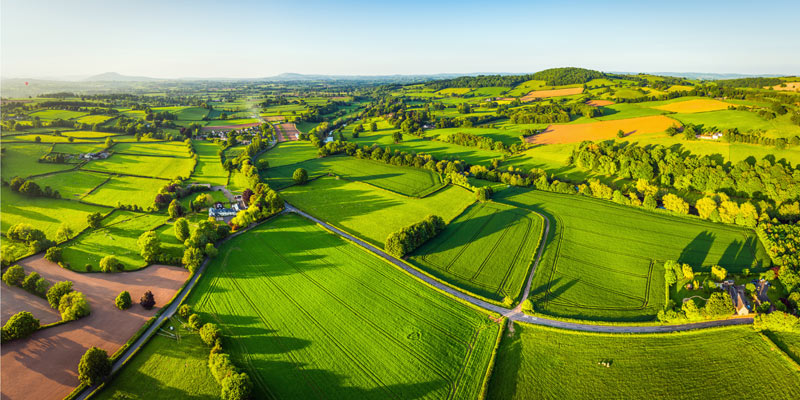
The Importance of Natural Resource Management in Sustainable Agriculture
Sustainable agriculture is crucial for ensuring food security and environmental preservation. One key aspect of sustainable farming practices is effective natural resource management. By responsibly managing natural resources such as water, soil, and biodiversity, farmers can enhance productivity while minimising negative impacts on the environment.
Water Management
Water is a precious resource essential for agriculture. Sustainable water management practices include rainwater harvesting, drip irrigation systems, and efficient water use techniques. By conserving water and preventing pollution of water bodies, farmers can ensure long-term access to this vital resource.
Soil Conservation
Healthy soil is the foundation of successful agriculture. Farmers can practice soil conservation by implementing techniques such as crop rotation, cover cropping, and minimal tillage. These methods help maintain soil fertility, prevent erosion, and reduce the need for chemical inputs.
Biodiversity Preservation
Biodiversity plays a crucial role in sustainable agriculture by supporting pollination, pest control, and nutrient cycling. Farmers can promote biodiversity on their farms by planting diverse crops, creating wildlife habitats, and avoiding monoculture practices. Protecting natural habitats also helps preserve native species and ecosystem balance.
Integrated Pest Management
Integrated Pest Management (IPM) is a sustainable approach to pest control that minimises reliance on chemical pesticides. By using biological controls, crop rotation, and resistant crop varieties, farmers can manage pests effectively while reducing environmental harm and protecting beneficial insects.
Conclusion
In conclusion, natural resource management is essential for achieving sustainable agriculture that balances productivity with environmental stewardship. By adopting responsible practices to conserve water, protect soil health, preserve biodiversity, and manage pests sustainably, farmers can contribute to a more resilient and ecologically sound food system for future generations.
Exploring Sustainable Agriculture: Effective Practices and Management of Natural Resources
- What are the examples of sustainable management of natural resources?
- How can natural resources be managed sustainably?
- What is sustainable natural resource management?
- What are 5 sustainable agriculture practices?
What are the examples of sustainable management of natural resources?
When considering sustainable management of natural resources in agriculture, there are several examples of practices that promote environmental stewardship and long-term viability. Some common examples include implementing water-efficient irrigation systems like drip irrigation, practicing crop rotation and cover cropping to maintain soil health and fertility, conserving biodiversity through the preservation of native habitats and the promotion of wildlife-friendly farming practices, and adopting integrated pest management strategies that reduce reliance on chemical pesticides while supporting natural pest control methods. These sustainable approaches not only enhance agricultural productivity but also contribute to the overall health and resilience of ecosystems.
How can natural resources be managed sustainably?
To manage natural resources sustainably in agriculture, it is essential to adopt practices that promote conservation and responsible use of resources. This can be achieved through implementing water-saving techniques such as drip irrigation and rainwater harvesting, practising soil conservation methods like crop rotation and minimal tillage, promoting biodiversity through diverse cropping systems and habitat preservation, and employing integrated pest management strategies to minimise reliance on chemical pesticides. By prioritising resource efficiency, environmental protection, and long-term sustainability in farming practices, natural resources can be managed in a way that ensures their availability for future generations while enhancing agricultural productivity.
What is sustainable natural resource management?
Sustainable natural resource management refers to the responsible and balanced use of natural resources in agriculture to ensure long-term productivity without compromising the environment or depleting resources for future generations. It involves implementing practices that conserve water, maintain soil health, preserve biodiversity, and manage pests in ways that support ecosystem resilience and minimise negative impacts. By adopting sustainable natural resource management strategies, farmers can enhance agricultural productivity while safeguarding the health of the land, water, and biodiversity for sustainable food production in the long run.
What are 5 sustainable agriculture practices?
When considering sustainable agriculture practices, there are five key strategies that farmers can implement to promote environmental stewardship and long-term productivity. These practices include crop rotation, which helps maintain soil health and reduce pest pressures; cover cropping, which protects soil from erosion and improves fertility; integrated pest management, a holistic approach to pest control that minimises chemical use; water conservation techniques such as drip irrigation to maximise water efficiency; and agroforestry, combining trees with crops to enhance biodiversity and provide additional benefits. By adopting these sustainable agriculture practices, farmers can contribute to a more resilient and environmentally friendly agricultural system.